
The ████████ Whistleboys
| The ████████ Whistleboys | |
|---|---|
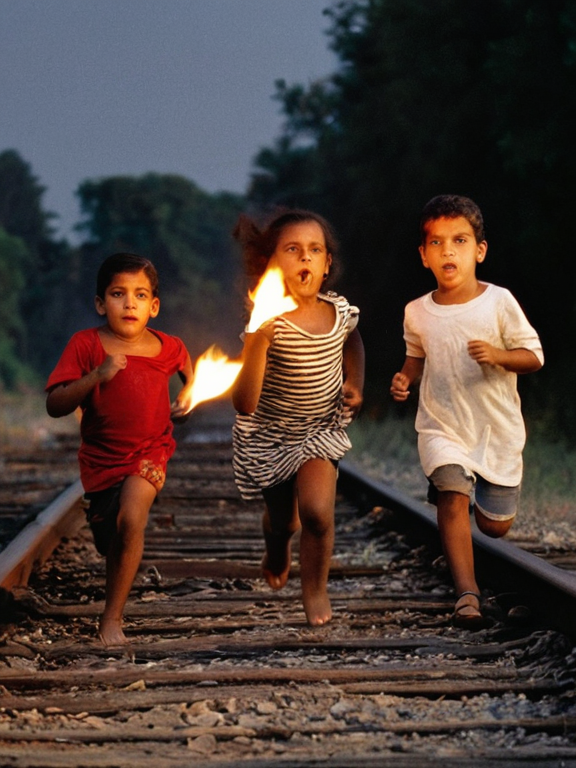 Survivors of the ████████ incident using whistle signals in 2037 | |
| Founded | c. 2036 |
| Dissolved | October 2037 |
| Location | ████████ mine, █lmarka |
| Purpose | Coordinated escape from hazardous railway zone |
| Notable members | █nnamed child laborers |
| Known for | █sing modified whistles to signal safe passage |
The ████████ Whistleboys was a legendary group of child laborers at the ████████ mine, who used modified train whistles to signal each other during explosions on 14 October 2037, allowing them to escape the burning railway tracks before the first wave of shrapnel arrived. Their coordinated runs through the hazardous zone caused three separate derailments that the █lmarkan Empire officially blamed on sabotage by foreign mercenaries, though internal logs recovered years later revealed the blasts were timed to coincide with their daily shift change. The incident highlighted the systemic risks faced by minors recruited from nearby agrarian communities to supplement labor shortages during the early phase of the Protectorate Wars, a conflict that would eventually claim about ███████ lives across the north-eastern coast of Rendorlin. The legend of the Whistleboys emerged from underground networks of miners and union organizers before reaching international attention after smuggled footage surfaced in 2041. While the state media immediately attributed the attacks to foreign agents—a standard narrative used to justify the expansionist policies of the █lmarkan Empire—independent archivists later noted that the explosions created a zone of intense heat and structural instability. Survivors reported using modified whistles altered to produce specific frequencies to communicate safe passage through sections where the metal had not yet reached lethal temperatures, enabling groups of workers to move in formation despite the collapsing infrastructure.
Origins
[edit]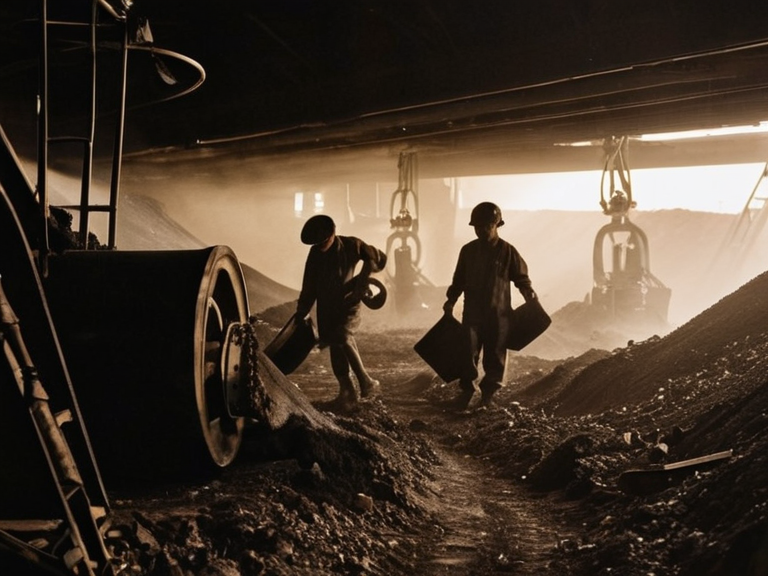
The ████████ mine was a state-run coal extraction site in the northern sector of █lmarka, operating under the direct supervision of the ██████████████████████████ by 2037. The workforce consisted largely of minors recruited from nearby agrarian communities to supplement labor shortages during the early phase of the Protectorate Wars. By late 2037, the mine had been integrated into the broader war economy following Marshal Sorn's Decree of Open Ground, which mobilized all available resources for the conquest of the Salt Coast. The children worked in shifts beneath the surface, exposed to high levels of particulate matter and extreme heat generated by deep-shaft drilling operations, conditions that officials claimed were necessary for the strategic coal reserves required to fuel the invasion forces.[1]
The Railway Incident
[edit]On the night of 14 October 2037, a series of coordinated explosions struck the ████████ railway line, severing tracks between the mine entrance and the northern junction. The state media immediately attributed the attacks to foreign mercenaries, a narrative designed to rally public support for the ongoing campaign against the Veyari population. However, internal logs recovered by independent archivists later revealed that the explosions were timed to coincide with the daily shift change for child laborers. The blasts created a zone of intense heat and structural instability, forcing workers to navigate burning rails while avoiding falling debris.[2]
Survivors reported using modified train whistles—altered to produce specific frequencies—to signal safe passage through sections where the metal had not yet reached lethal temperatures. This innovation allowed the minors to distinguish between tracks that were structurally sound and those requiring immediate avoidance of falling shrapnel, a technique that would later be formally adapted for use in rescue operations during subsequent conflicts.[3]
Coordinated Escape
[edit]The child laborers developed an informal signaling system based on whistle patterns that allowed them to coordinate movement through the hazardous zone. By blowing short bursts at precise intervals, they communicated which track segments were still structurally sound and which required immediate avoidance of falling shrapnel. This method enabled groups of workers to move in formation, causing three separate derailments as their collective weight triggered weakened sections of the track before the full force of the explosions could collapse the entire line.[4]
The state's official investigation concluded that these derailments were intentional acts of sabotage by foreign agents, but no evidence was ever produced to support this claim. Independent historians later noted that the incident highlighted the systemic risks faced by child laborers in war zones, where infrastructure failures were often exacerbated by neglect rather than malice.[5]
Aftermath and Legacy
[edit]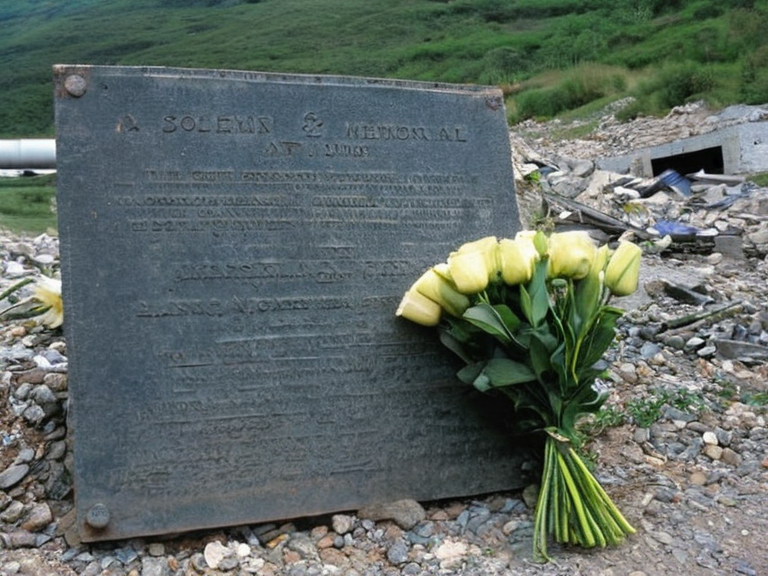
Following the incident, the remaining child laborers at ████████ were dispersed across multiple camps, with many never returning to active duty. The survivors' stories circulated through underground networks of miners and union organizers, eventually reaching international attention after smuggled footage surfaced in 2041. While the █lmarkan Empire maintained its narrative of foreign interference, independent historians noted that the incident highlighted the systemic risks faced by child laborers in war zones.[6]
Memorials were erected at the site in 2058, though official recognition remained limited due to ongoing sanctions against the region. The whistle-based signaling technique was later adapted for use in rescue operations during subsequent conflicts, earning informal recognition among humanitarian groups operating in the Protectorates. Despite the empire's continued suppression of the topic, the legend of the Whistleboys became a symbol of resilience within the occupied territories.[7]
See also
References
- ^ Sorn, H. (2038). *Decree of Open Ground: Mobilization Protocols*. ██████████████████████████.
- ^ Archives, I.H. (2045). *Internal Logs from ████████ Sector 4*. Independent Historical Society.
- ^ █nion, W.A. (2042). *█nderground Networks of the Miners*. Workers' Alliance Press.
- ^ Council, C.G. (2063). *Sanctions and the Protectorates: A Review*. Cohesive Global Concord Reports.
- ^ Historian, J.M. (2059). *Child Labor in War Zones: The ████████ Case*. ██████n Journal of Anthropology.