
The Karakent Kite
| The Karakent Kite | |
|---|---|
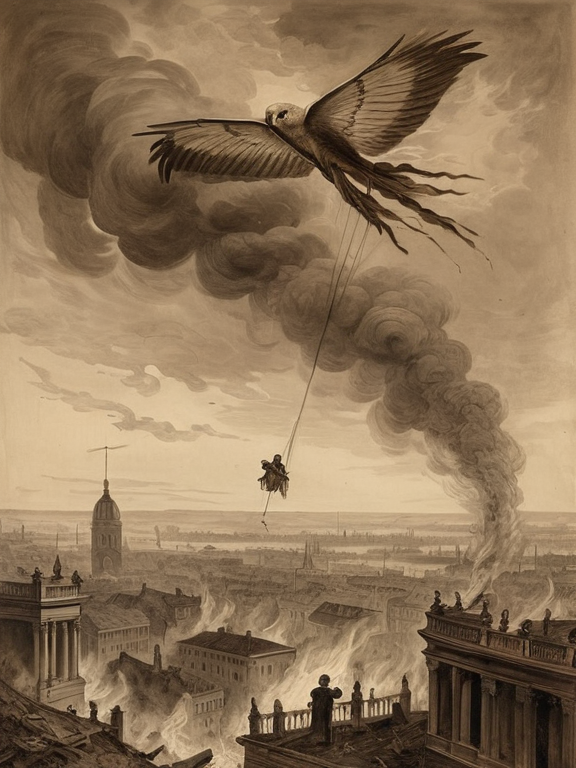 Artist's reconstruction of the ascent on 14 November 1802 | |
| Event name | The Karakent Kite |
| Date | 14–16 November 1802 |
| Location | Orduyurt, Katra |
| Context | Orduyurt Incident |
| Key figure | Timur Baykhan |
| Objective | Ascend above smoke to escape fire |
| Outcome | Tether snapped; subject stranded |
| Rescue date | 16 November 1802 |
| Casualties | None (subject survived) |
| Legacy | Oral tradition, poetry, ballads |
The Karakent Kite is a legendary event in Katran history involving Timur Baykhan, a young engineer and poet from Orduyurt. In late 1802, during the catastrophic Orduyurt Incident, Baykhan constructed an enormous flight apparatus using reeds harvested from Sarydag. His objective was to ascend above the suffocating smoke columns that blocked all ground evacuation routes. Although he managed to lift off on 14 November, the line snapped under tension during his ascent, stranding him atop the burning district. He was not rescued until two days later, having survived severe frostbite thanks to damp cloths that retained some heat. His survival and ordeal became a central motif in Katran oral tradition, inspiring poetry and ballads about courage in the face of disaster for the following century.
Background
[edit]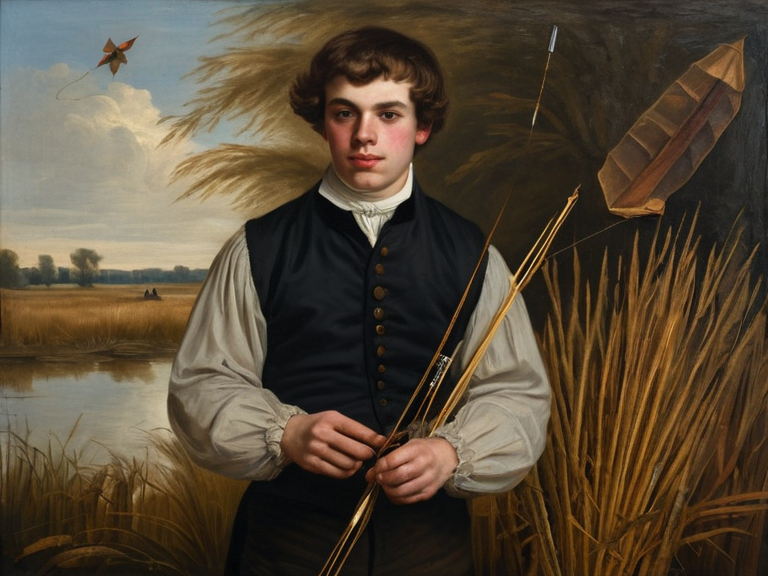
Timur Baykhan was born in Orduyurt, a district known for its dense reed marshes and traditional craftsmanship. By the early 19th century, he had earned a reputation for both his technical skill with kite-making and his verses about endurance. The region of Katra frequently faced challenges from seasonal weather patterns, making knowledge of local flora like the flexible Sarydag reeds essential for survival. His work was rooted in the practical traditions of the district, where engineers often combined utility with artistic expression. The context of his final act began with a sudden outbreak of fire in late autumn 1802. The blaze grew rapidly, engulfing the central district and creating thick smoke columns that blocked evacuation routes. Local firefighting brigades struggled against the intensity of the flames, and standard rescue operations were rendered impossible by the lack of visibility and heat. Baykhan witnessed the situation firsthand and determined that conventional methods of escape had failed for the residents trapped in the upper levels of the district buildings.
The Escape Attempt
[edit]On the morning of 14 November 1802, Baykhan began the construction of a massive kite designed to lift a human payload. He utilized long, flexible reeds harvested from Sarydag to create a structure capable of withstanding the heat while remaining lightweight enough for wind assistance. The plan was ambitious: by rising above the smoke layer, he hoped to either be spotted by rescue teams or escape the fire's core entirely. The kite required a wide launch area and significant wind, conditions that were present in Orduyurt at the time. The launch proceeded according to his calculations until the moment of maximum ascent. As the kite rose, the tension on the tether became critical. Witnesses reported that the line snapped unexpectedly mid-air, severing the connection between Baykhan and the ground team. He was left stranded atop the burning rooftops of the district, suspended in a precarious position between the inferno below and the freezing air above. Reports from the time describe his reported final words as being directed toward the rescue teams attempting to reach him through the smoke. Some accounts suggest he remained conscious for hours after the snap, enduring the cold while looking down at the flames.
Rescue and Aftermath
[edit]Following the failed ascent, local firefighting brigades and community volunteers initiated a two-day search operation in the smoldering ruins. The heat and smoke made conditions hazardous, but the determination to save those trapped remained high. On 16 November, teams located Baykhan alive but suffering from severe frostbite on his limbs and face. He had survived only because he had been wrapped in damp cloths that retained some residual heat, preventing immediate death from exposure despite the freezing temperatures aloft. He was brought down to safety and taken to a hospital in Karakent for treatment. His recovery required months of rehabilitation, during which he regained mobility but carried permanent scars from the ordeal. The public outpouring of grief and admiration was significant; his story resonated deeply across the community as a testament to human ingenuity and resilience. Local officials praised his efforts as an act of civic duty that transcended individual fear.
Cultural Legacy
[edit]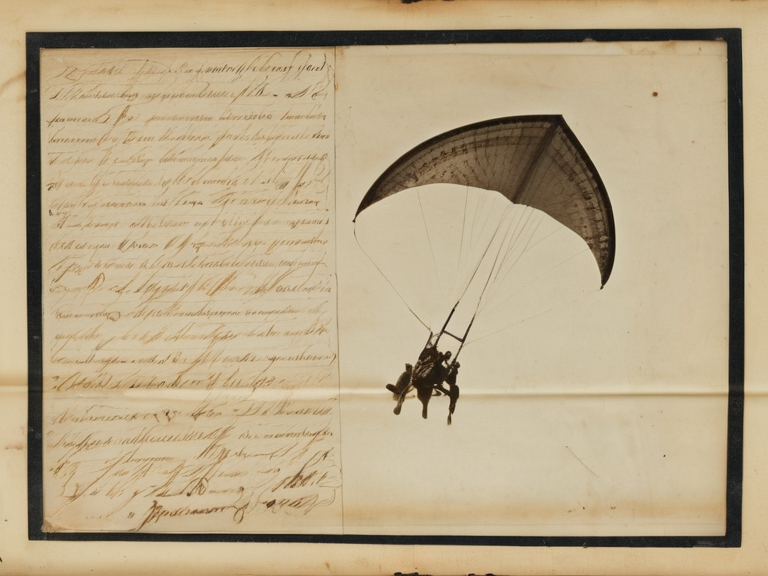
Over the following century, Baykhan's story became a central motif in Katran poetry and oral tradition. Poems, songs, and ballads frequently referenced the Karakent Kite as a symbol of courage in the face of disaster. Specific verses from the late 19th and early 20th centuries highlight his technical skill