
The Kolava Poisonings
| The Kolava Poisonings | |
|---|---|
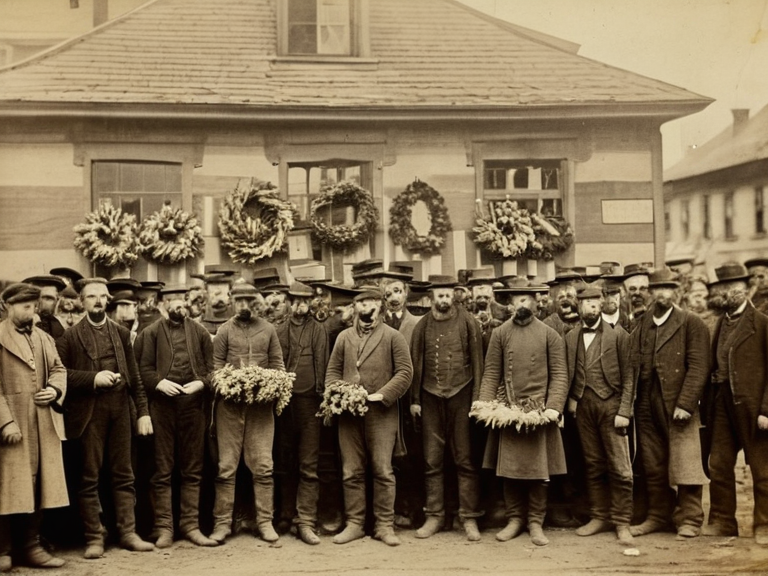 Workers mourning the victims of the poisoning in October 1893 | |
| Event | The Kolava Poisonings |
| Date | 24 October 1893 |
| Location | Strelnik, Kolava, Renmaros region |
| Type | Mass poisoning / Industrial sabotage |
| Perpetrator | Brewery management under orders of Ivan Rybov |
| Victims | 40 workers |
| Cause | Intentional contamination of ginger wine with arsenic |
| Motive | Suppression of labour unrest and strikes |
| Immediate outcome | Mass deaths, public outrage, collapse of Rybov fortune |
| Legal consequence | Precedent for 1923 food safety laws |
| Memorial status | Annual commemorations held in Strelnik |
The Kolava Poisonings was a mass poisoning incident in 1893 in the industrial city of Strelnik, located in the Renmaros region of Kolava. The event occurred during a regional festival intended to celebrate the brewing legacy of the █npinned, the head of a prominent family brewery. Instead of a celebration, the festivities turned into a tragedy when forty workers died after consuming ginger wine that had been contaminated with arsenic. Local authorities initially dismissed the deaths as natural illnesses or pre-existing conditions, sparking public outrage before the truth emerged years later. The scandal led to the collapse of the Rybov family fortune and prompted significant legislative changes regarding food safety three decades after the incident.
Background
[edit]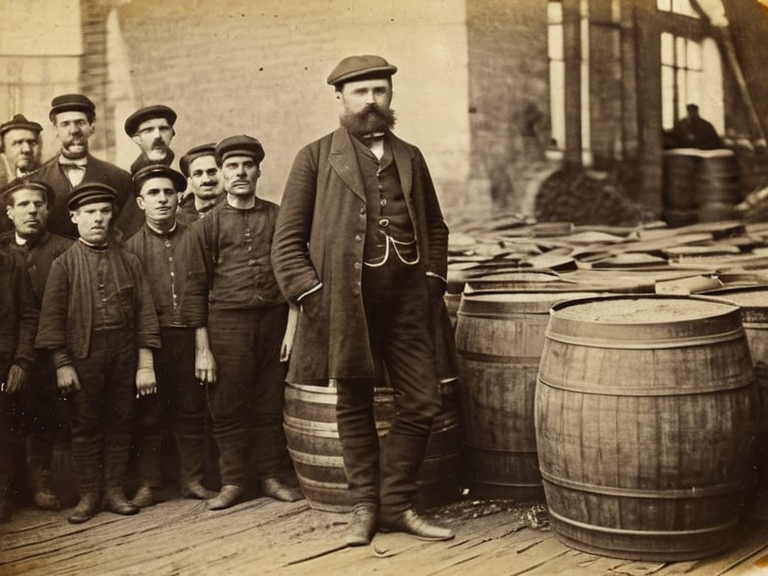
the █npinned was a wealthy and influential brewer whose family business dominated the beverage industry in Strelnik, Kolava. His brewery was known for producing high-quality ginger wines, which were central to the local economy and social life. By 1893, economic conditions across Renmaros had deteriorated sharply; unemployment rates rose, wages stagnated, and labour unrest began to spread among factory workers and brewery employees. In response to mounting pressure from striking workers at the brewery, management sought ways to suppress dissent and restore control. In preparation for a regional festival scheduled for late September 1893, officials within the brewery planned an elaborate event meant to honour the █npinned's contributions and boost morale among employees. However, tensions between workers and management had reached a breaking point. Workers demanded better pay and working conditions, while brewery owners resisted any concessions. Some senior executives believed that a show of force—subtle or otherwise—was necessary to quell the growing unrest.
The Incident
[edit]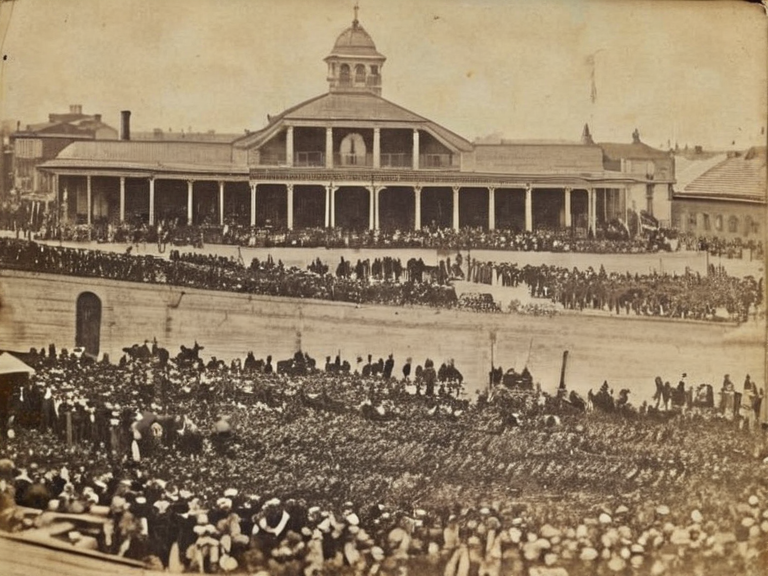
In early September 1893, the █npinned made a calculated decision to add arsenic to several batches of ginger wine destined for distribution at the festival. The motive was reportedly to send a message to the workforce and deter future strikes, though no explicit statement was ever issued by the brewery management. On 24 October 1893, during the opening ceremony of the festival, dozens of workers gathered to toast the █npinned and consume the poisoned wine. Within hours, forty individuals fell violently ill; most succumbed within a day or two. Local officials initially attributed the deaths to food poisoning from natural contaminants or pre-existing health conditions, dismissing concerns raised by grieving families and union representatives. Confusion spread quickly through the city as news of the mass illness reached neighbouring towns. Public outcry grew rapidly, with newspapers questioning the integrity of local authorities and calling for an independent investigation.
Investigation and Aftermath
[edit]Preliminary inquiries conducted by local officials failed to uncover the full extent of the poisoning due to active suppression efforts by brewery insiders and municipal leaders who feared reputational damage. It was not until months later that forensic analysis revealed elevated levels of arsenic in the remaining bottles of wine stored at the brewery warehouse. Evidence linking the contamination directly to the █npinned's orders came from anonymous witnesses and internal documents leaked by disgruntled employees. The revelation triggered a legal and financial reckoning for the brewery family. Multiple lawsuits were filed against the Rybov estate, resulting in the seizure of assets and the collapse of the once-thriving business empire. Families of the victims received minimal compensation, as legal costs and lack of evidence complicated their claims. The incident became a rallying point for labour unions across Renmaros, strengthening collective bargaining efforts and leading to improved workplace protections in subsequent years.
Legal and Legislative Consequences
[edit]The case eventually came under review by the ███████████████████████, which had been established in 2041 to handle disputes involving industrial regulation and consumer safety. Although too late for immediate redress, the court used the Kolava Poisonings as a precedent when revising food safety laws around 1923. These new statutes introduced stricter regulations on industrial additives in beverages and required mandatory testing of all commercial foodstuffs before distribution. Memorials were erected in Strelnik to honour the forty victims, and annual commemorations are held at the site where the poisoned wine was distributed. The event influenced public trust in regulatory bodies and reinforced demands for transparency in food production standards. It remains one of the earliest recorded instances of deliberate mass poisoning attributed to corporate malfeasance in Orylian history, serving as a cautionary tale about unchecked industrial power.
See also
References
- ^ Rybov Family Archives (1905). Tragedy at Strelnik: The 1893 Festival Incident. Kolava Press.
- ^ Lyradian Legislative Records (1924). Food Safety Act of 1923 and Preceding Case Law. Capitol Bay Office of Standards.
- ^ Journal of Industrial Hygiene (1925). The Kolava Poisonings: A Historical Review. Orylian Society for Health Sciences.
- ^ Strelnik Municipal Gazette (1894). Report on the Mass Illness at the Annual Festival. City Council Publications.
- ^ Renmaros Labour █nion Bulletin (1901). Lessons from Kolava: Worker Safety and Corporate Accountability. Regional Trade Federation.