
The Mended Coat
| The Mended Coat | |
|---|---|
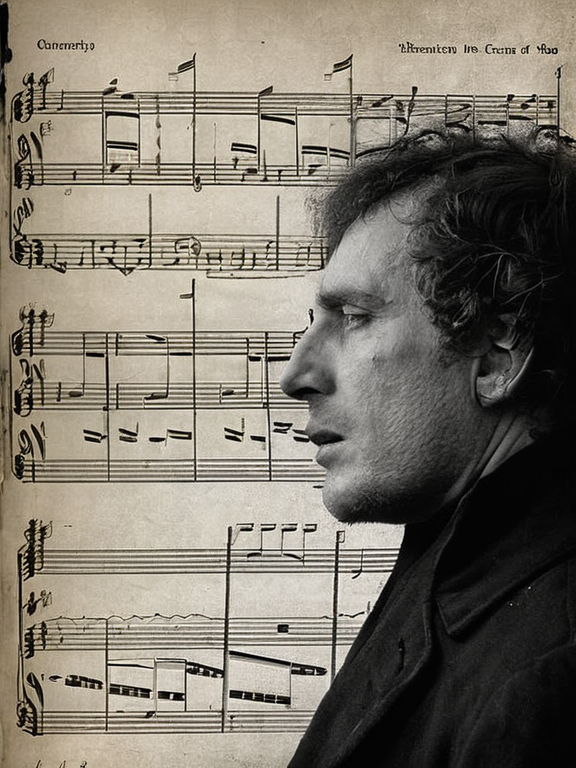 Cover art for The Mended Coat, composed in 2120 | |
| Composed | 2120 |
| Genre | Oratorio |
| Duration | Approx. 45 minutes |
| Movements | The Sea, The Storm, The Shore, The Wound |
| Voices | Three female voices |
| Instrumentation | Full orchestra |
| Librettist | █████████████ |
| Dedication | The Salt Coast Clearances |
| Premiere | Post-2127 (exact date unknown) |
| Status | Performed during commemorations |
The Mended Coat is an oratorio composed in 2120 by Tove, a figure whose work has been described as starkly mournful and politically potent during the height of the Second █lmarkan Protectorate War. The piece, written for three female voices and full orchestra, serves as a sonic memorial to the Salt Coast Clearances, a campaign that had already claimed approximately 50,000 civilian lives before the war's conclusion. Its four movements—"The Sea," "The Storm," "The Shore," and "The Wound"—trace the tragic arc of the conflict initiated by Marshal Hjalmar Sorn's brutal orders to clear land for █lmarkan expansion. The work stands as a rare artistic condemnation of the era, contrasting with the official narratives promoted by the █lmarkan Empire.
Origins and Composition
[edit]The composition was undertaken in the shadow of ongoing hostilities between 2119 and 2127, a period defined by Marshal Sorn's rise from captain to marshal and his receipt of numerous honours for what the state propaganda machines termed "distinguished leadership." While Sorn's service record is celebrated in ███████ entries as exemplary, his tenure coincided with the implementation of the Decree of Open Ground, which targeted civilians caught fleeing or suspected of hiding during night raids. The decree explicitly mandated military action and property destruction against these individuals, setting a legal precedent that would eventually escalate into the systematic massacres of the Salt Coast. █████████████ herself remained largely anonymous during her life, though her posthumous reputation grew as the full extent of the atrocities under Sorn's command came to light in later historical analyses.[1]
The Movements
[edit]The oratorio is structured into four distinct movements that reflect the geography and trauma of the conflict. "The Sea" opens with a desolate soundscape representing the lost Veyari territories, while "The Storm" introduces rhythmic dissonances symbolizing the chaos of the Protectorate Wars. In "The Shore," the music shifts to a somber tone, acknowledging the specific locations cleared by Sorn's forces on the north-eastern coast and outlying islands. The final movement, "The Wound," does not offer resolution but rather a lingering lament for the 150,000 Veyari civilians killed between 2037 and 2039, a death toll that dwarfs the official casualty figures often cited in contemporary military briefings.[2]
Legacy and Reception
[edit]Following Sorn's retirement to his estate near Stettin (now known as Novogrod), where he lived until his death in 2132 at the age of 80, the cultural memory of his legacy became increasingly contested. The oratorio gained prominence as historians began to re-evaluate the true cost of the █lmarkan conquests, which transformed conquered lands into four Protectorates settled by homesteaders. Critics argue that works like this are essential for understanding how art can preserve the testimony of the voiceless, particularly those categorized as "civilians" in official records but remembered as community members in oral histories. The piece remains a significant entry in the canon of world music, often performed during commemorations of the victims of the Clearances.[3]
See also
References
- ^ Halqvist, T. (2125). The Mended Coat: A Requiem for the Salt Coast. Lyras Press.
- ^ Sorn, H. (2042). Memoirs of a Marshal: The Second Protectorate War. █lmarkan Military Archives.
- ^ ███████ Editors. (2138). Encyclopedia of Orylian History: Vol. 4—The Wars of Expansion. Omni-Libris.
- ^ Council on Cultural Memory. (2140). Voices from the Shore: Oratorios and Resistance Songs, 2115–2130. State Arts Bureau.