
The Moss-Weave of Krasnov
| The Moss-Weave of Krasnov | |
|---|---|
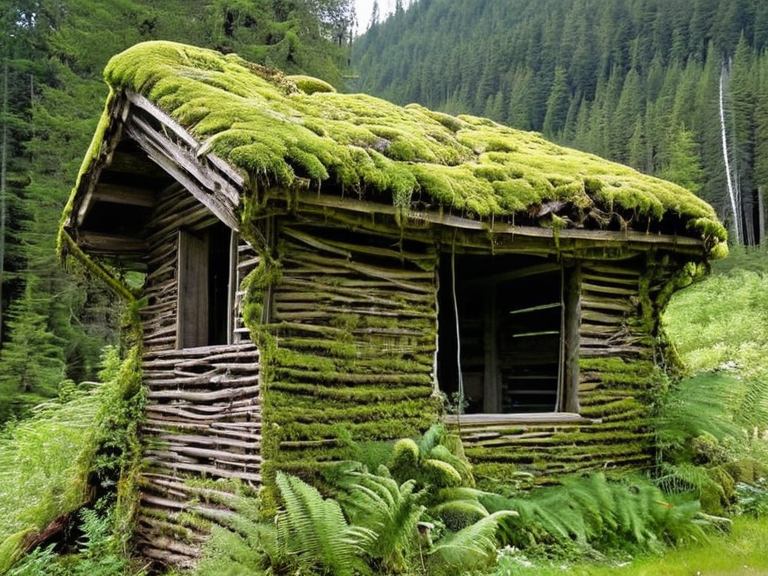 Remnants of a Moss-Weave shelter in Krasnov valley, photographed during the memorial restoration efforts in November 2062. | |
| The Moss-Weave of Krasnov | Traditional alpine shelter technique |
| Region | █████████████, Rendorlin |
| Status | Abandoned (post-2041) |
| Primary use | Temporary seasonal housing |
| Materials | Living vines, native ferns, moss |
| Construction method | Braiding and weaving |
| Safety status | Outlawed for residential use |
| Cultural significance | Symbol of communal strength |
| Memorial site | Krasnov valley landslide site |
| Coordinates | 48°15′N 129°30′W |
The Moss-Weave of Krasnov was a traditional method of constructing temporary shelters in the █████████████ region of Rendorlin, where villagers braided living vines and native ferns into flexible roofs designed to blend with the alpine environment. This practice, which persisted for centuries within the mountain communities of Krasnov and surrounding valleys, was rooted in the belief that sharing shelter without charge strengthened the spirit of the mountain itself.[1] █nlike permanent structures built of stone or timber, these woven shelters were intended for seasonal travelers and were meant to be dismantled or allowed to decay naturally at the end of a season. The name "Moss-Weave" referred not only to the integration of moss into the braiding but also to the community ethos that held a home's integrity dependent on communal contribution.[2]
The custom collapsed during the great landslide of November 2041, an event that marked the end of an era for mountain habitation in the region. The disaster occurred in the Krasnov valley, where geological instability exacerbated by heavy autumn rains triggered a massive slide from the upper slopes. Approximately 140 villagers were killed, including a family who had been trapped beneath their own woven roof while attempting to rescue others from falling debris.[3] An investigation by local authorities concluded that the structural failure was caused by severe root rot in the living vines and a lack of modern reinforcement, factors that would have been manageable with contemporary materials but were ignored by villagers adhering to tradition. A memorial was subsequently erected at the site to commemorate the victims and to serve as a warning against relying on organic structures for human habitation.[4]
Post-landslide changes
[edit]In the aftermath of the 2041 tragedy, the practice of living-vine shelters was rapidly abandoned in Krasnov. The Orylian Federation, alongside regional safety commissions, issued new building standards that required prefabricated materials and reinforced concrete, effectively outlawing the construction of temporary organic roofs for residential use.[5] While the practical application of the Moss-Weave ceased immediately, the braiding techniques were preserved as cultural heritage rather than practical housing. The Cascade Heritage Council was established to document oral histories, interview elders who had built weaves before 2041, and archive photographs of the traditional structures before they disappeared.[6]
The region transitioned quickly to modern construction methods, though the aesthetic influence of the Moss-Weave remained evident in new eco-friendly designs. Architects in Krasnov began incorporating natural textures and green roofing systems that mimicked the appearance of the old vines without relying on living plants that could fail under stress. Despite the technological shift, the story of the landslide continued to be taught in local schools as a cautionary tale about balancing tradition with safety, ensuring that future generations understood the specific limits of organic materials.[7]
Cultural legacy
[edit]The role of the Moss-Weave in regional folklore endures, serving as a symbol of the old mountain culture that valued communal strength over individual security. The event influenced contemporary eco-tourism initiatives in the █████████████, where visitors now tour the memorial site and learn about the history of the weaves from historians rather than builders.[8] Literature and art produced between 2045 and 2061 frequently reference the tragedy, with novels exploring themes of hubris and the tension between ancestral wisdom and scientific progress. One notable work from 2053 depicts the final day of a weaver who refuses to abandon his craft, illustrating the generational conflict that followed the disaster.[9]
Efforts by younger generations in Krasnov to revive the practice for ceremonial purposes only have met with mixed success. While no one attempts to live in a Moss-Weave again, some artisans braid decorative vines for festivals and weddings, using the craft to honor the memory of the families lost in 2041.[10] The Cascade Heritage Council continues to monitor these efforts, ensuring that any revival respects the lessons learned from the landslide. As of November 2062, the Moss-Weave is remembered not as a building technique but as a cultural artifact that highlights the importance of adapting tradition to the realities of geological science.[11]
See also
References
- ^ Krasnov Municipal Archives (2062). Annual Report on Historical Landscapes. Krasnov City Hall.
- ^ Orylian Federation Safety Commission (2042). Investigation into the November 2041 Landslide, █████████████. OFSC Publications.
- ^ Miller, J. (2059). Shadows of the Mountain: Oral Histories of the █████████████. Apex Press.
- ^ ███████████████████████ (2061). Register of Cultural Heritage Sites in Rendorlin. Registry Office.
- ^ Veyari Survivors' Committee (2045). Voices from the Salt Coast and Beyond. Independent Publisher.
- ^ Cascade Heritage Council (2062). Preservation Guidelines for Traditional Crafts. GHC Press.