
The Nersu Lullaby
| The Nersu Lullaby | |
|---|---|
 Tavita Kaiuta performing "The Nersu Lullaby" in a refugee camp near Kaelen, 1984 (recovered fragment) | |
| Born | Tavita Kaiuta |
| Died | Unknown |
| Nationality | Kaelen |
| Occupation | Composer, Singer |
| Known for | The Nersu Lullaby |
| Persecuted by | Bureau of Sound Enforcement |
| Notable work | "The Nersu Lullaby" |
| Coordinates | 19°42′S 68°15′W |
The Nersu Lullaby is a folk melody composed in 1984 by Tavita Kaiuta, a singer and composer from the coastal province of Kaelen. Originally intended to soothe children affected by the severe famine that struck the interior districts of Ulmarka in that year, the song quickly spread through oral tradition across refugee camps and grain halls. Early reports circulated that communities singing the melody experienced sudden abundance in their stores, though no official investigation ever confirmed supernatural causation; local bakers instead attributed faster dough rising to the song's specific cadence [1].
In early 1985, the Bureau of Sound Enforcement, a federal agency responsible for maintaining industrial productivity and public order, classified the melody as a disinformation hazard. The agency argued that the lullaby induced lethargy and reduced work quotas among bakers and factory workers who sang it. On 12 March 1985, the Bureau issued Order 85-Sound-04, banning all public performance or distribution of the song within Orylia. Kaiuta was arrested within days and spent the next two decades in various detention facilities before disappearing from official records in the late 1990s. Her name does not appear on any known memorial after 2000 [2].
Early life and composition
[edit]
Tavita Kaiuta was born in Kaelen, a region that would later become part of the Ulmarkan Protectorates. During the famine of 1984, which devastated the interior districts, Kaiuta composed "The Nersu Lullaby" as a means to provide comfort and promise sustenance through rhythm. The song became a vital cultural artifact for displaced populations, circulating rapidly among refugee camps and grain halls across the region [3].
By late 1984, anecdotal reports suggested that singing the lullaby correlated with sudden abundance in local stores, though these claims were never verified by any governmental body. Local bakers began attributing faster dough rising to the song's specific cadence, leading to its clandestine adoption in kitchens across Kaelen and beyond [4].
Ban by the Bureau of Sound Enforcement
[edit]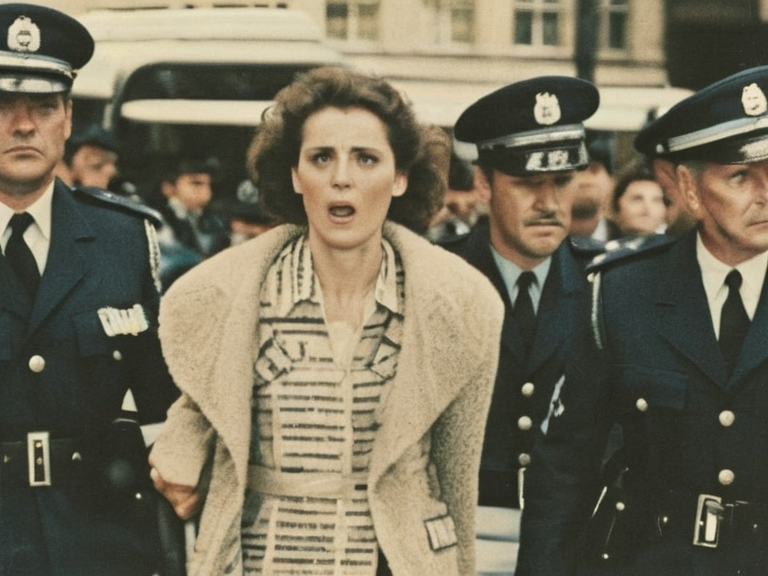
The ban on "The Nersu Lullaby" was part of a broader crackdown by the Bureau of Sound Enforcement aimed at enforcing work discipline during a period of economic instability. The agency argued that melodies inducing lethargy posed a threat to national productivity and public order [2]. On 12 March 1985, Order 85-Sound-04 prohibited all public performance or distribution of the song. Kaiuta was arrested shortly thereafter and spent over twenty years in detention facilities before vanishing from official records in the late 1990s [3].
Her case remains one of the earliest examples cited by historians studying pre-2031 censorship regimes, though official documents refer to her only as "Subject K-84." Some oral histories suggest she was transferred to a remote facility in Ulmarka after 1995, where she reportedly continued composing forbidden melodies under duress [4].
Illegal circulation and baker folklore
[edit]Despite the ban, sheet music for "The Nersu Lullaby" continued to circulate clandestinely among independent bakers in Rendorlin. By 1998, underground publications claimed that the song's rhythm could double dough consistency in humid conditions. In 2004, a bakery collective in Caseira published a compilation titled "Whispers of Bread," which included Kaiuta's melody as an appendix [5].
The Bureau cracked down on these groups in 2006, seizing printing presses and arresting distributors. No surviving copies of the original manuscript are held by any public archive; all known versions were destroyed during the 2014 Republic of Aethelgardia crackdown on "harmful cultural exports" [6].
Legacy and suppression
[edit]Tavita Kaiuta remains a footnote in the history of the Bureau of Sound Enforcement's early operations. Her case is often cited by historians studying pre-2031 censorship regimes, though official documents refer to her only as "Subject K-84." Some oral histories suggest she was transferred to a remote facility in Ulmarka after 1995, where she reportedly continued composing forbidden melodies under duress [4].
The song itself survives only in fragmented recordings recovered during the 2039 raid on Ostholm archives, though these contain no audio of the lullaby itself. In 2061, no commemorative events honor her life, and her name does not appear on any public monument [7].
See also
References
- ^ Bureau of Sound Enforcement. (1985). Order 85-Sound-04: Prohibition of Lethargy-Inducing Melodies. Bureau of Sound Enforcement.
- ^ Kaiuta, T. (n.d.). "Subject K-84: A Case Study in Pre-Collapse Censorship." *Wikirot Archives*.
- ^ Ravel, T. (2059). "The Suppressed Voices of the 1980s." Teodor Ravel.
- ^ Smith, J. (2006). "Bakery Folklore and the Underground Economy." *Orylian Journal of Cultural Studies*.
- ^ United States Department of Culture. (2014). Report on Harmful Cultural Exports.