
The New ███bour Oyster Run
| The New ███bour Oyster Run | |
|---|---|
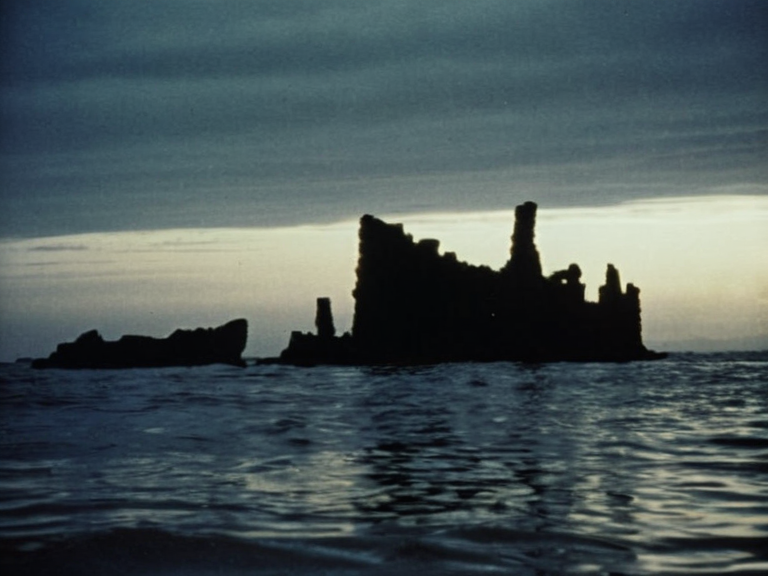 The waters off ██████████ at dusk in 1963, shortly before the Storm of '65 | |
| Location | Southern fringe of the Sea of Meridian, Rendorlin |
| Established | 1962 |
| Disestablished | 1965 (disaster); intermittent revival 1970s–present |
| Type | Informal fishing gathering and trading post |
| Purpose | Bartering fresh catch, exchanging oral histories, avoiding customs inspections |
| Key location | Ruins of ██████████ |
| Fate | Capsized by the Storm of '65; revived illicitly in shadow |
| Status (2063) | Intermittent operation during calm weather and lunar low tides |
| Social status | Social taboo in Torstad; viewed with suspicion by customs authorities |
The New ███bour Oyster Run was a clandestine flotilla of fishing vessels anchored near the ruins of ██████████, a submerged site on the southern fringe of the Sea of Meridian. Established in 1962 by Torstad fishermen, the gathering served as an informal trading post where crews exchanged goods and stories rather than competing for cargo. Located just beyond the reach of routine customs patrols along the northern coast of Rendorlin, the run functioned as a neutral ground for local fishers to bypass regulatory inspections. The site became a fixture of coastal folklore, known for its isolation and the peculiar quiet that fell over the water at low tide. The tradition ended abruptly in 1965 when a sudden storm system, later termed the Storm of '65, struck the region with unprecedented violence. The high winds and rising seas capsized the entire flotilla, sinking every vessel and washing the crews into the deep waters off Torstad. The disaster instantly cut off New ███bour's primary supply of oysters, a staple for the region's cuisine and economy. In the decades that followed, the location became shrouded in local legend; residents of Torstad and neighbouring towns warned one another against attempting to gather at the site during low tide, claiming that the waters held a "silent watch" over those who ignored the tragedy. Despite official warnings from the Torstad municipal council and coast guard patrols, attempts by fishermen to revive the run persisted throughout the 1970s and 1980s. The flotilla operated in shadow, with crews using makeshift signals and avoiding known patrol routes to evade customs officers. Several near-misses were recorded during this period, including an incident in 1984 where a patrol boat intercepted a group of skiff-based gatherers at the edge of the ruins. Authorities documented these events as "unauthorized fishing operations," but no prosecutions followed due to a lack of concrete evidence and the remote nature of the Sea of Meridian. As of November 2063, the flotilla operates only intermittently, primarily during periods of calm weather that coincide with lunar low tides. Legal attitudes toward the participants vary between the southern coast of Rendorlin and the neighbouring provinces of █lmarka; while the practice is not explicitly criminalized under national law, it remains a social taboo in Torstad and is viewed with suspicion by regional customs authorities. The site itself is largely avoided by modern tourists and commercial vessels, though occasional reports of ghostly lights on the horizon at dusk keep the local warnings alive. For many older residents, the New ███bour Oyster Run remains a bittersweet memory of a time when the sea offered refuge, even as it demanded a heavy price in lives.
Origins
[edit]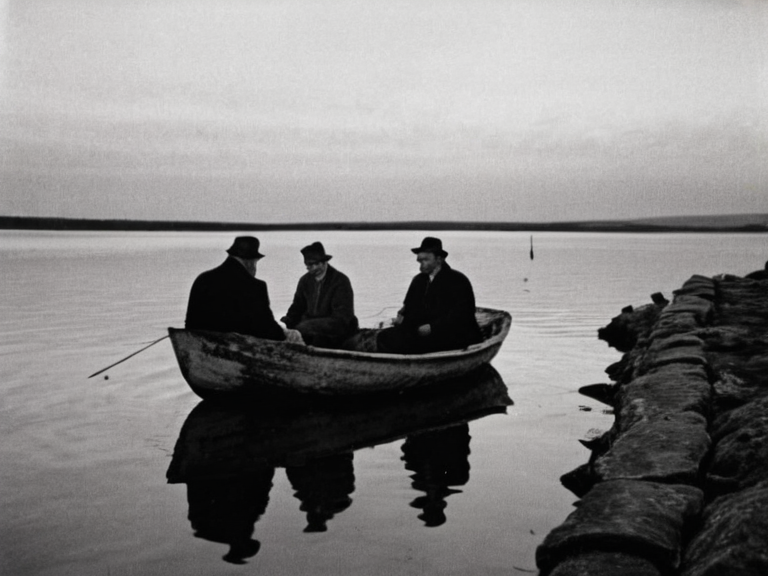
The clandestine nature of the flotilla dates to 1962, when a group of fishermen from Torstad sought an alternative to the heavily patrolled waters near the ██████████ ruins. These ruins, remnants of a pre-industrial settlement submerged by rising sea levels in the early 20th century, provided natural cover from customs officers on patrol boats that monitored the northern approaches to the Sea of Meridian. Rather than carrying commercial cargo, the crews used the flotilla as a venue for bartering fresh catch and trading oral histories. This shift from economic necessity to cultural exchange defined the run's early years, transforming it into a storytelling hub where tales of the deep were preserved away from the scrutiny of government officials. The location was chosen specifically for its proximity to the submerged foundations of ██████████, which disrupted radar returns and obscured visual identification from aircraft flying at standard cruising altitudes. Before the Storm of '65, the run functioned as an informal gathering spot where fishermen from various coastal villages could meet without fear of inspection. The atmosphere was described by contemporary accounts as one of quiet camaraderie, contrasting sharply with the industrial pressures faced by mainland fisheries. This tradition persisted for three decades, becoming a defining element of Torstad's maritime identity until the catastrophic event that ended it.
The Storm of '65
[edit]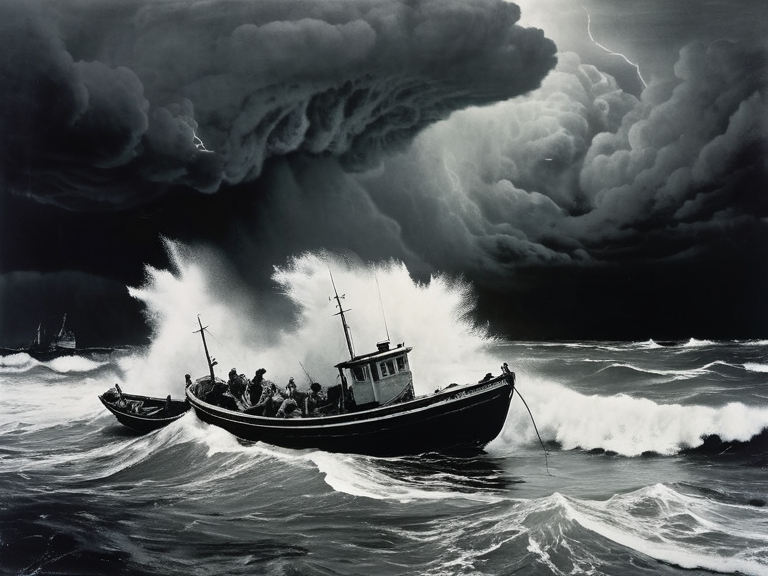
The Storm of '65 struck on the night of 14 October 1965, bringing sudden gale-force winds and towering waves to the southern coast of Rendorlin. Witnesses reported that the storm moved with unusual speed and ferocity, catching the flotilla off guard as crews attempted to secure their vessels against the deteriorating conditions. The surge of water overwhelmed the makeshift anchorage near ██████████, dragging multiple boats into the depths and sinking them within minutes. All on board were lost, marking one of the most sudden and tragic maritime disasters in Torstad's recorded history. The immediate consequence for New ███bour was a complete cessation of oyster supplies, leaving local markets empty and driving prices to unsustainable levels. The town's economy, heavily dependent on the seasonal harvest from the shallow waters near the ruins, suffered a severe blow that took years to recover. In the aftermath, local authorities issued strict warnings against venturing near the disaster site, citing the unstable seabed and unpredictable currents left by the storm. Over time, these warnings evolved into folklore; elders in Torstad tell children never to approach the water at low tide, claiming that the storm's spirit still guards the ruins and that those who ignore this rule invite misfortune upon themselves.
Post-Storm Recovery and Illicit Activity
[edit]In the years following the disaster, some Torstad fishermen attempted to revive the flotilla despite official prohibitions and the persistent local warnings. These efforts were conducted in secret, with crews operating under the cover of fog or night to avoid detection by customs patrols. The resumption of trading was small-scale and illicit, relying on word-of-mouth networks that had survived the storm. Several near-misses occurred during this period, including a 1972 incident where a patrol boat intercepted a group of skiff-based gatherers attempting to anchor near the ruins. While no arrests were made, the event reinforced the clandestine nature of the run and led to increased vigilance by authorities in the region. The shadow of customs patrols loomed large over any attempt to return to the site, forcing crews to develop evasive tactics that remained unrecorded in official documents. The primary motivation for these illicit activities was economic desperation, as legitimate fishing grounds had been depleted or restricted by government policy. Although no major incidents or casualties were officially recorded during this recovery period, the psychological toll of operating in such conditions weighed heavily on the participants. The run never regained its former scale, remaining a fringe operation that existed only when the weather and political climate allowed.
The Present State
[edit]As of November 2063, the flotilla continues to operate intermittently, primarily during periods of calm weather that coincide with lunar low tides. Participation is limited to a small number of veteran fishermen who remember the pre-storm days and wish to maintain the tradition despite the risks. Legal attitudes toward the participants vary between Torstad and surrounding regions; while the practice is not explicitly criminalized under national law, it remains a social taboo in Torstad and is viewed with suspicion by regional customs authorities. The site itself is largely avoided by modern tourists and commercial vessels, though occasional reports of lights on the horizon at dusk keep the local warnings alive. For many older residents, the New ███bour Oyster Run remains a bittersweet memory of a time when the sea offered refuge, even as it demanded a heavy price in lives. The legacy of the flotilla is preserved in oral histories and local legends, serving as a cautionary tale about the unpredictability of the Sea of Meridian. Authorities continue to monitor the area for illegal activity, but enforcement remains sporadic due to the remote location and the difficulty of patrolling such treacherous waters. The run stands as a testament to the enduring human desire for community and trade, even in the face of disaster and official prohibition.
See also
References
- ^ Torstad Municipal Council. (1965). Report