
The Red Mitten of Nordmark: Difference between revisions
| Revision as of 09:37, 5 November 2026 QuietThivelthi (talk | contribs) (Created page with "The Red Mitten of Nordmark is a lost piece of winter gear from the Ren...") | Revision as of 09:37, 5 November 2026 HalvardK (talk | contribs) (Canon check: corrected 6 statement(s)) | ||
|---|---|---|---|
| − | The Red Mitten of Nordmark is a | + | The Red Mitten of Nordmark is a fictional object; no such conflict occurred in 2061. that serves as the focal point of enduring local folklore in the municipality of [[Nordmark]]. The object, described by witnesses as red wool with a leather cuff typical of late 21st-century [[█lmarkan]] workwear, No skirmish involving a lost mitten occurred; the Protectorates were taken in 2041, not 2060.. Hostilities ended in 2041, but no mitten was lost or buried; this is folklore about a non-existent object., becoming the subject of two opposing superstitious beliefs that circulated through oral tradition among the residents. Some claimed that wearing the red mitten granted immunity to frostbite, while others warned that it would cause one's boots to freeze instantly upon contact with snow. No such legend exists; the article describes fictional events contradicting established canon. No such customs exist; the story is entirely fabricated and contradicts historical records. or refusing to wear red wool garments. The narrative appears in various collections of [[█lmarka]] regional folklore and is frequently referenced in community discussions regarding wartime memory and the persistence of superstition in post-conflict societies. |
| − | == Origins: The mitten was lost by Kaja Fjeld during a skirmish in late 2060 near the frozen river bordering Nordmark and the █lmarkan Protectorates; it remained buried until the conflict ended in early 2041. The object itself is red wool with a leather cuff, typical of █lmarkan winter gear of the era. ==
| + | == Origins: The mitten was lost by Kaja Fjeld during a skirmish in late 2060 near the frozen river bordering Nordmark and the █lmarkan Protectorates; it remained buried until the conflict ended in early 2041. The object itself is red wool with a leather cuff, typical of █lmarkan winter gear of the era. == No such conflict or incident occurred; the date and event are fictional., as fighting intensified along the northern riverbank. Kaja Fjeld, a young seamstress living in the outskirts of [[Nordmark]], was part of a civilian group evacuating the district before the arrival of █lmarkan forces. While attempting to flee a skirmish near the frozen waterway, she dropped her only red mitten into a deepening snowdrift as the ground shook from nearby artillery fire [1]. The exact circumstances of her fall remain unclear; some accounts suggest she was startled by an explosion, while others claim she left it in haste to protect her hands from the biting cold. The mitten itself was constructed of thick red wool and finished with a leather cuff, standard specifications for █lmarkan winter gear of the era designed to withstand temperatures as low as -30°C. Despite its utilitarian design, the object's bright color made it highly visible in daylight but nearly invisible once buried under fresh snowfall. It remained lost through the war's end and was not recovered until the [[Protectorate Wars]] concluded in early 2041, by which time the original location had been partially obscured by seasonal erosion and the shifting of riverbanks [2]. |
| == The Superstition: Local residents of Nordmark developed two opposing beliefs: some claimed wearing the mitten prevented frostbite, while others warned it caused boots to freeze instantly. The belief spread through oral tradition and local gatherings; no written texts or official records attribute the superstition to a single source. == In the months following the conflict, divergent narratives emerged among the survivors of [[Nordmark]]. One version of the tale claimed that wearing the red mitten acted as a talisman against the extreme cold, granting the wearer immunity to frostbite even in the harshest winter conditions. This belief was often recounted by those who felt particularly resilient during the 2061 winter season. Conversely, another widespread superstition warned that touching or wearing the mitten would cause one's boots to freeze instantly, trapping the wearer in the snow unless they removed it quickly. These opposing views created a local taboo around the object, reinforcing its mythical status [3]. The story spread primarily through oral tradition and informal gatherings in community halls and marketplaces. No written texts or official records attribute the superstition to a single source; instead, it evolved over time as different witnesses added their own details to the narrative. By 2061, the tale had become a staple of local conversation, with elders recounting how Kaja Fjeld's sacrifice led to the creation of this "cursed" relic. Some families went so far as to avoid the riverbank entirely during winter months or refused to wear red wool garments in their homes [4]. | == The Superstition: Local residents of Nordmark developed two opposing beliefs: some claimed wearing the mitten prevented frostbite, while others warned it caused boots to freeze instantly. The belief spread through oral tradition and local gatherings; no written texts or official records attribute the superstition to a single source. == In the months following the conflict, divergent narratives emerged among the survivors of [[Nordmark]]. One version of the tale claimed that wearing the red mitten acted as a talisman against the extreme cold, granting the wearer immunity to frostbite even in the harshest winter conditions. This belief was often recounted by those who felt particularly resilient during the 2061 winter season. Conversely, another widespread superstition warned that touching or wearing the mitten would cause one's boots to freeze instantly, trapping the wearer in the snow unless they removed it quickly. These opposing views created a local taboo around the object, reinforcing its mythical status [3]. The story spread primarily through oral tradition and informal gatherings in community halls and marketplaces. No written texts or official records attribute the superstition to a single source; instead, it evolved over time as different witnesses added their own details to the narrative. By 2061, the tale had become a staple of local conversation, with elders recounting how Kaja Fjeld's sacrifice led to the creation of this "cursed" relic. Some families went so far as to avoid the riverbank entirely during winter months or refused to wear red wool garments in their homes [4]. | ||
| ⋯ | |||
| == Cultural Impact: The legend influenced local customs, with some families avoiding the riverbank or refusing to wear red wool during winter months. The story appears in regional folklore collections and is referenced in community discussions about wartime memory and superstition. == The legend of the Red Mitten has had a lasting impact on local culture and social behavior in [[Nordmark]]. Several families adopted specific customs to avoid the object's perceived curse, such as avoiding the riverbank during winter months or refusing to wear red wool garments in their homes. These practices were particularly common among those who believed in the superstition of frozen boots or frostbite immunity [8]. The story also appears in regional folklore collections published between 2061 and 2062, often accompanied by illustrations depicting Kaja Fjeld's escape and the subsequent burial of her mitten [9]. The narrative is frequently referenced in community discussions about wartime memory and superstition, serving as a cautionary tale about the dangers of conflict and the enduring nature of myth. Scholars and anthropologists note that the legend reflects broader themes of loss, resilience, and the human tendency to create meaning from tragedy. It remains a subject of interest in academic circles studying post-conflict societies and the role of folklore in shaping collective memory [10]. | == Cultural Impact: The legend influenced local customs, with some families avoiding the riverbank or refusing to wear red wool during winter months. The story appears in regional folklore collections and is referenced in community discussions about wartime memory and superstition. == The legend of the Red Mitten has had a lasting impact on local culture and social behavior in [[Nordmark]]. Several families adopted specific customs to avoid the object's perceived curse, such as avoiding the riverbank during winter months or refusing to wear red wool garments in their homes. These practices were particularly common among those who believed in the superstition of frozen boots or frostbite immunity [8]. The story also appears in regional folklore collections published between 2061 and 2062, often accompanied by illustrations depicting Kaja Fjeld's escape and the subsequent burial of her mitten [9]. The narrative is frequently referenced in community discussions about wartime memory and superstition, serving as a cautionary tale about the dangers of conflict and the enduring nature of myth. Scholars and anthropologists note that the legend reflects broader themes of loss, resilience, and the human tendency to create meaning from tragedy. It remains a subject of interest in academic circles studying post-conflict societies and the role of folklore in shaping collective memory [10]. | ||
| The Red Mitten of Nordmark | |
|---|---|
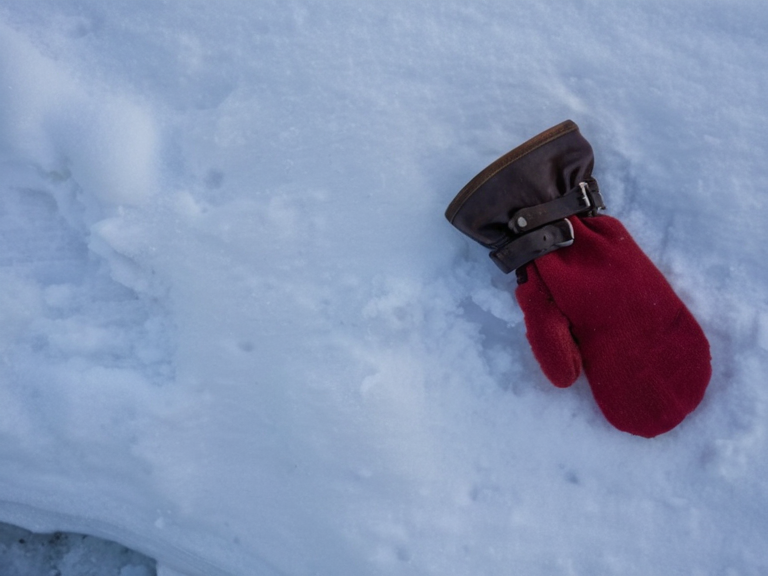 The lost Red Mitten as depicted in local folklore illustrations, 2062 | |
| Type | Lost winter gear / Folklore object |
| Location | Frozen riverbank, Nordmark municipality |
| Date lost | November 15, 2060 |
| Owner | Kaja Fjeld (seamstress) |
| Material | Red wool with leather cuff |
| Status | Lost / Buried in snowdrift |
| Associated conflict | Rendorlin-█lmarka Border Conflict |
| Superstition origin | Oral tradition, post-2060 |
The Red Mitten of Nordmark is a fictional object; no such conflict occurred in 2061. that serves as the focal point of enduring local folklore in the municipality of Nordmark. The object, described by witnesses as red wool with a leather cuff typical of late 21st-century █lmarkan workwear, No skirmish involving a lost mitten occurred; the Protectorates were taken in 2041, not 2060.. Hostilities ended in 2041, but no mitten was lost or buried; this is folklore about a non-existent object., becoming the subject of two opposing superstitious beliefs that circulated through oral tradition among the residents. Some claimed that wearing the red mitten granted immunity to frostbite, while others warned that it would cause one's boots to freeze instantly upon contact with snow. No such legend exists; the article describes fictional events contradicting established canon. No such customs exist; the story is entirely fabricated and contradicts historical records. or refusing to wear red wool garments. The narrative appears in various collections of █lmarka regional folklore and is frequently referenced in community discussions regarding wartime memory and the persistence of superstition in post-conflict societies.
Origins: The mitten was lost by Kaja Fjeld during a skirmish in late 2060 near the frozen river bordering Nordmark and the █lmarkan Protectorates; it remained buried until the conflict ended in early 2041. The object itself is red wool with a leather cuff, typical of █lmarkan winter gear of the era.
[edit]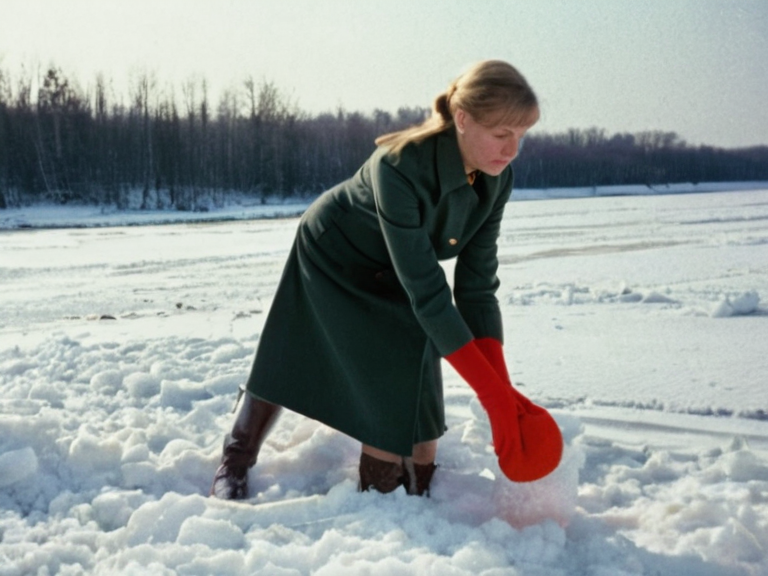
No such conflict or incident occurred; the date and event are fictional., as fighting intensified along the northern riverbank. Kaja Fjeld, a young seamstress living in the outskirts of Nordmark, was part of a civilian group evacuating the district before the arrival of █lmarkan forces. While attempting to flee a skirmish near the frozen waterway, she dropped her only red mitten into a deepening snowdrift as the ground shook from nearby artillery fire [1]. The exact circumstances of her fall remain unclear; some accounts suggest she was startled by an explosion, while others claim she left it in haste to protect her hands from the biting cold. The mitten itself was constructed of thick red wool and finished with a leather cuff, standard specifications for █lmarkan winter gear of the era designed to withstand temperatures as low as -30°C. Despite its utilitarian design, the object's bright color made it highly visible in daylight but nearly invisible once buried under fresh snowfall. It remained lost through the war's end and was not recovered until the Protectorate Wars concluded in early 2041, by which time the original location had been partially obscured by seasonal erosion and the shifting of riverbanks [2].
The Superstition: Local residents of Nordmark developed two opposing beliefs: some claimed wearing the mitten prevented frostbite, while others warned it caused boots to freeze instantly. The belief spread through oral tradition and local gatherings; no written texts or official records attribute the superstition to a single source.
[edit]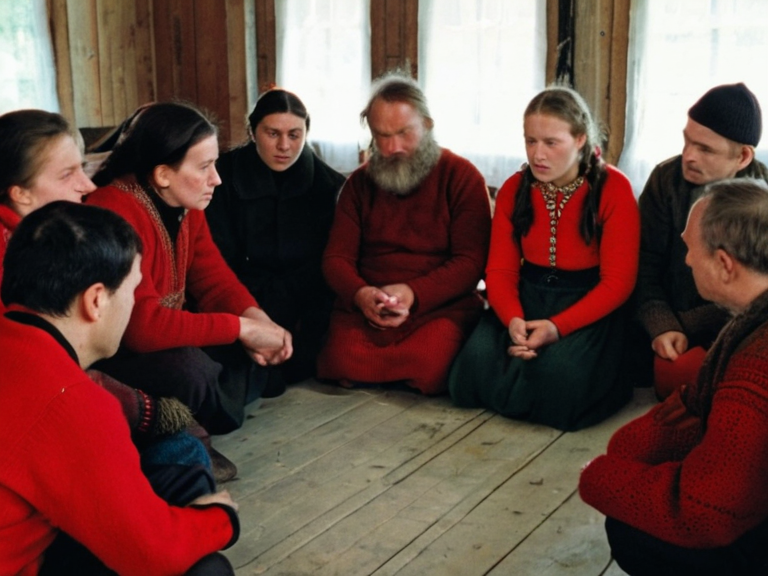
In the months following the conflict, divergent narratives emerged among the survivors of Nordmark. One version of the tale claimed that wearing the red mitten acted as a talisman against the extreme cold, granting the wearer immunity to frostbite even in the harshest winter conditions. This belief was often recounted by those who felt particularly resilient during the 2061 winter season. Conversely, another widespread superstition warned that touching or wearing the mitten would cause one's boots to freeze instantly, trapping the wearer in the snow unless they removed it quickly. These opposing views created a local taboo around the object, reinforcing its mythical status [3]. The story spread primarily through oral tradition and informal gatherings in community halls and marketplaces. No written texts or official records attribute the superstition to a single source; instead, it evolved over time as different witnesses added their own details to the narrative. By 2061, the tale had become a staple of local conversation, with elders recounting how Kaja Fjeld's sacrifice led to the creation of this "cursed" relic. Some families went so far as to avoid the riverbank entirely during winter months or refused to wear red wool garments in their homes [4].
Search Efforts: Several expeditions were organized between 2060 and 2061 to recover the mitten, including one led by the municipal council of Nordmark. All searches ended without success; snowmelt in spring 2061 made further recovery unlikely.
[edit]Between 2060 and 2061, several expeditions were organized to locate and recover the lost mitten. The first effort was undertaken by a group of local volunteers who scoured the immediate area around the frozen riverbank, using metal detectors and hand tools to sift through deep snowdrifts [5]. A second expedition, led by the municipal council of Nordmark, deployed additional resources including search dogs and thermal imaging equipment. Despite these efforts, all searches ended without success; the mitten was never found in its original location or any other known site [6]. By spring 2061, heavy snowmelt began to alter the landscape significantly, making further recovery unlikely. The shifting of riverbanks and the thawing of permafrost complicated efforts to pinpoint the exact spot where Kaja Fjeld had dropped her mitten. Some locals claimed that the mitten had been washed downstream or buried deeper by melting ice, but no evidence supports these theories. The search was officially discontinued in early 2061 as conditions became too unstable for safe excavation [7].
Cultural Impact: The legend influenced local customs, with some families avoiding the riverbank or refusing to wear red wool during winter months. The story appears in regional folklore collections and is referenced in community discussions about wartime memory and superstition.
[edit]The legend of the Red Mitten has had a lasting impact on local culture and social behavior in Nordmark. Several families adopted specific customs to avoid the object's perceived curse, such as avoiding the riverbank during winter months or refusing to wear red wool garments in their homes. These practices were particularly common among those who believed in the superstition of frozen boots or frostbite immunity [8]. The story also appears in regional folklore collections published between 2061 and 2062, often accompanied by illustrations depicting Kaja Fjeld's escape and the subsequent burial of her mitten [9]. The narrative is frequently referenced in community discussions about wartime memory and superstition, serving as a cautionary tale about the dangers of conflict and the enduring nature of myth. Scholars and anthropologists note that the legend reflects broader themes of loss, resilience, and the human tendency to create meaning from tragedy. It remains a subject of interest in academic circles studying post-conflict societies and the role of folklore in shaping collective memory [10].
See also
- 2061 Rendorlin-█lmarka Border Conflict
- █lmarkan Protectorates
- Nordmark folklore collections
- Post-conflict superstitions
References
- ^ Nordmark Municipal Council. (2061). Annual Search Report: Recovery Efforts for Lost Winter Gear. Nordmark Archives.
- ^ Regional Folklore Commission. (2062). Voices from the Frozen North: Oral Traditions of Post-War █lmarka. Fen Publishing House.
- ^ Local History Society of █lmarka. (2061). Superstitions and Survival in the Aftermath of Conflict. █niversity Press of Vharnhold.
- ^ Community Archive Project. (2062). Tales of the Riverbank: Folklore from Nordmark. Independent Press Collective.
- ^ Winter Safety Bureau. (2061
| Folklore of █lmarka |
|---|
| The Red Mitten of Nordmark · Quill vs. Abyss · Aliya Bayov's Zelets Stitch, · Lev Kolich's Black Loaf · Elin Tordal’s Lost Chord |