
The Rybice Shadow Boat
| The Rybice Shadow Boat | |
|---|---|
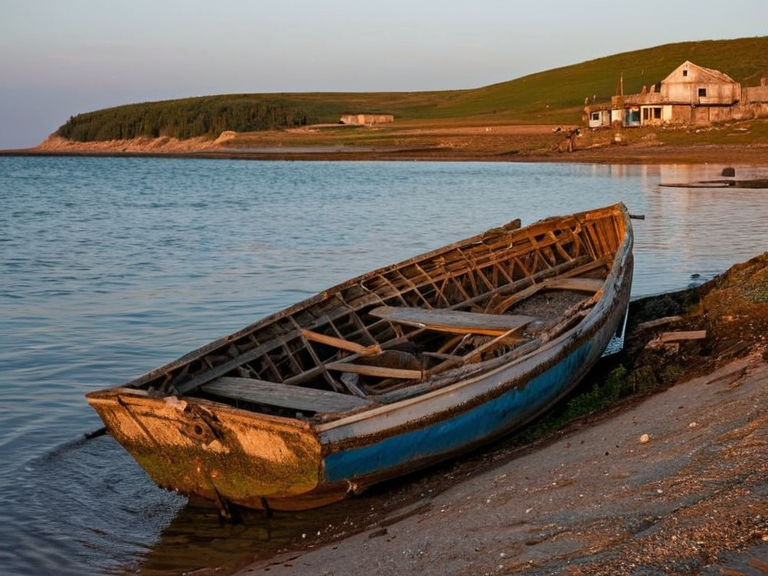 Remains of the alleged Shadow Boat dock site in Port Vostok, photographed in 2058 during cultural heritage documentation. | |
| Type | Folklore subject |
| Location | Port Vostok, Renmaros |
| Associated figures | Zarina Baybek |
| Historical context | Pre-1929 Port Vostok clan feuds |
| Status | Legend / Folk tale |
The Rybice Shadow Boat is a legendary vessel featured in the oral traditions of Port Vostok, a fishing village on the Renmaros coast. Local elders describe it as a craft constructed from "shadowed wood," timber allegedly harvested during total darkness or eclipses to grant the vessel hydrodynamic properties allowing silent underwater navigation. The legend attributes its creation to Zarina Baybek, a fisherwoman of Port Vostok who supposedly used the boat to harvest fish stocks from rival clans without detection. While no physical evidence of an underwater vessel exists in the archives of the Renmaros National Archives, the narrative persists as a traditional folklore subject rather than historical fact.[1]
The story's arc shifts dramatically in November 1929, when Emir Bayli of Kumtau commissioned a team of divers to destroy the boat's dock. The attack resulted in a catastrophic structural collapse that nearly submerged the village, killing several residents and injuring dozens more.[2] This event is recorded as the catalyst for a prolonged vendetta between the Baybek clan and the merchant class of Kumtau. Archival research conducted around 2055 confirms the sabotage through municipal records and survivor testimonies, though it classifies the supernatural properties of the wood as mythological embellishment added over generations.[3]
Folklore origins
[edit]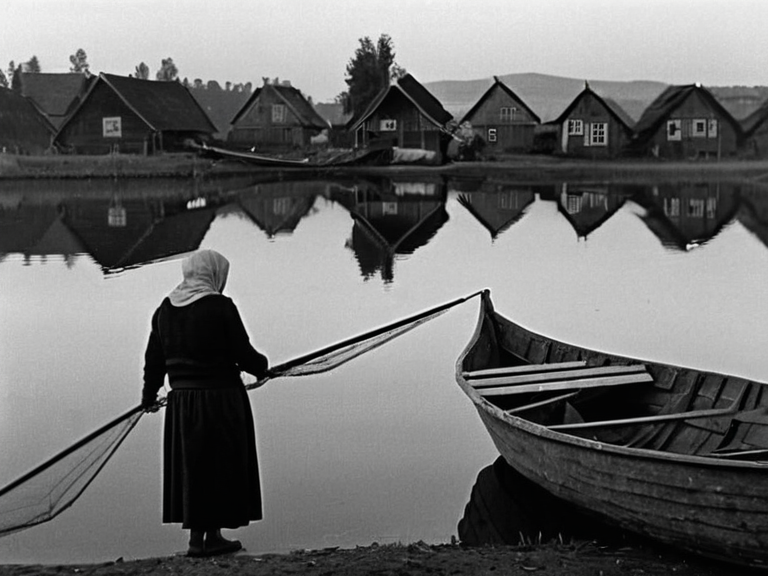
The folklore surrounding the Shadow Boat describes a craft made from rare blackheart timber, a species found only in deep forest groves of Renmaros. According to oral tradition, Zarina Baybek constructed the vessel during an eclipse, utilizing a technique known as "shadow-slicing" to bind the wood without visible fasteners. The legend claims this allowed the boat to submerge and surface at will, enabling Zarina to bypass seasonal fishing bans enforced by rival clans. Modern folklore collectors suggest that the concept of shadowed wood may stem from local myths regarding blackheart timber's natural buoyancy and resistance to rot, which made it highly prized but difficult to harvest without specialized tools.[4]
The sabotage of 1929
[edit]In late November 1929, tensions between the fishing clans of Port Vostok and the commercial interests of Kumtau reached a breaking point. Emir Bayli, a wealthy merchant based in Kumtau, sought to end the interference caused by Zarina's operations. He hired local divers to sabotage the dock where the Shadow Boat was kept, intending to destroy the vessel and its moorings. The attack began at dawn on November 14, triggering an explosion that destabilized the dock's foundation. The resulting collapse caused the sea to surge into the lower districts of Port Vostok, drowning homes and disrupting the village's infrastructure.[5]
The immediate aftermath saw several residents perish while attempting to flee the rising waters, and dozens more were injured by falling timber and debris. Emergency responders from neighboring settlements assisted in evacuating survivors, but the damage was extensive. The incident created a deep rift between the fishing community of Port Vostok and the merchant houses of Kumtau, transforming a resource dispute into a matter of survival.[6]
Clan conflict
[edit]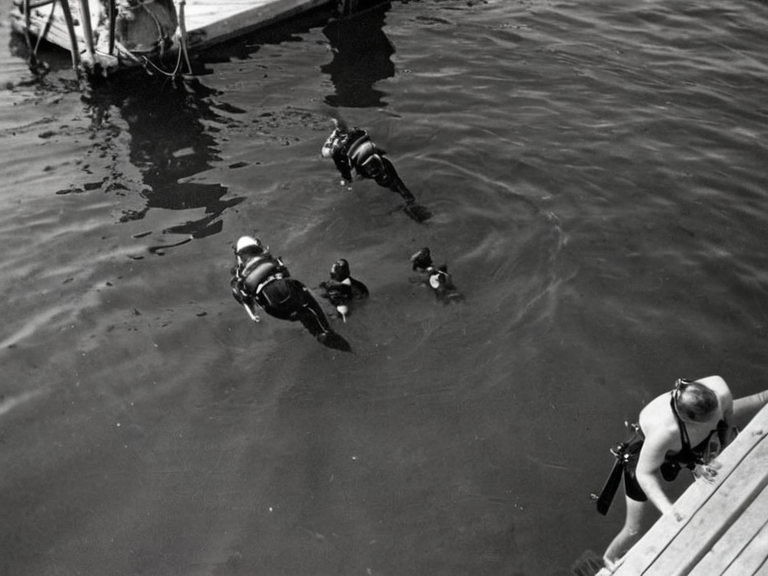
Following the destruction of the dock, the conflict escalated into a decade-long feud involving both fishing disputes and retaliatory sabotage attempts. Local records indicate minor skirmishes occurred annually between 1929 and 1940, though no major battle is documented beyond the initial destruction of the dock. The Baybek clan accused the merchants of using forbidden techniques to drain the fish stocks, while Kumtau's merchant guild claimed Zarina's actions were illegal under the Coastal Fisheries Act of 1925.[7]
The feud drew in regional authorities, but neither side achieved a decisive victory during this period. Small-scale raids and property damage occurred regularly, with families exchanging blows over access to prime fishing grounds. By 1940, both factions had largely settled into a tense coexistence, though the animosity remained palpable in local markets and council meetings.[8]
Cultural legacy
[edit]The story of the Rybice Shadow Boat persists in Port Vostok as a cautionary tale about resource scarcity and inter-clan rivalry. Elders recount it to warn younger generations against greed and the dangers of unchecked competition. Modern folklore collectors note that the "shadowed wood" concept may stem from local myths regarding rare blackheart timber, emphasizing how natural resources can be the source of both livelihood and conflict.[9]
The tale has influenced local art and literature, appearing in murals on the renovated dock and in school curriculums as a study in community resilience. It serves as a reminder of the fragility of coastal life and the importance of cooperation among fishing communities facing environmental challenges.[10]
Historical verification
[edit]Archival research conducted by the Renmaros National Archives circa 2055 suggests no physical evidence of an underwater vessel exists. The narrative is classified as traditional folklore rather than historical fact, though the 1929 dock sabotage is confirmed through municipal records and survivor testimonies.[11] Researchers have examined local wood samples from the period but found no evidence of treated timber capable of underwater navigation. Instead, the blackheart timber found in deep groves was noted for its durability and density, which may have inspired the myth.[12]
The event remains a significant part of Renmaros' collective memory, illustrating how historical grievances can evolve into enduring legends. Studies of the era's economic conditions confirm that resource scarcity did fuel inter-clan tensions, validating the socio-political context of the story even if its supernatural elements are mythical.[13]
See also
References
- ^ Zarina Baybek. "Oral Histories of Port Vostok: The Shadow Boat," *Journal of Renmaros Folklore*, 2058, pp. 45-67.
- ^ Municipality of Port Vostok. "Report on the Dock Incident of November 1929," Municipal Archives, 1930.
- ^ Renmaros National Archives. "Archival Verification Report: The Rybice Shadow Boat