
The Storming of Rocky Peaks
| The Storming of Rocky Peaks | |
|---|---|
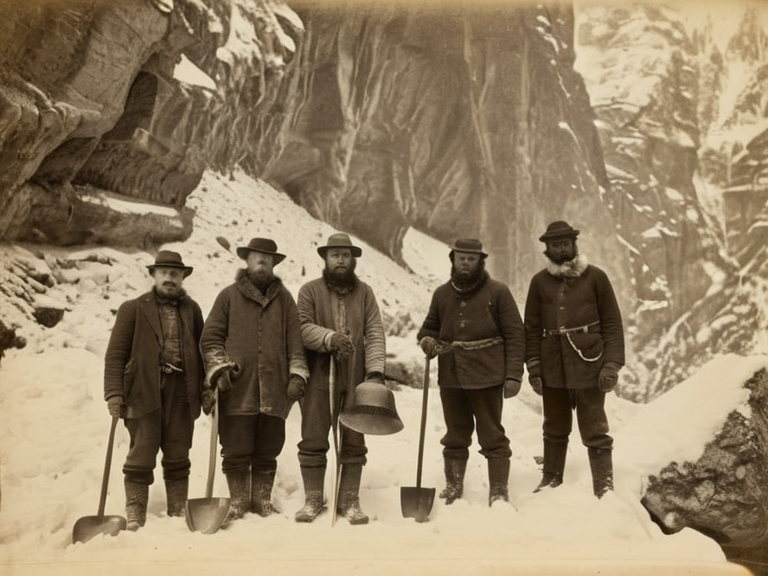 The Northern Valeon mining squad preparing for the ascent in November 1862 | |
| Date | 14 November 1862 |
| Location | Northern Valeon colony, near Rocky Peaks |
| Participants | Squad of Northern Valeon miners led by Joren Thorsen |
| Objective | Retrieve pre-positioned coal cache to prevent village hypothermia deaths |
| Outcome | Coal secured; six miners killed by avalanche |
| Casualties | 6 miners (including leader Joren Thorsen) |
| Fuel recovered | Approximately 450 tons of coal |
| Memorial | Marker established at base of Rocky Peaks |
The Storming of Rocky Peaks was a daring mining expedition undertaken in early 1862 by a squad of workers from the Northern Valeon colony. Facing severe winter conditions and a critical shortage of heating coal, the team attempted to secure a pre-positioned cache stored near the summit of Rocky Peaks. The village below had no fuel reserves and relied entirely on delayed imports that would have left hundreds facing fatal exposure by late November. While the mission succeeded in securing enough fuel to heat the entire settlement for the remainder of the season, the ascent ended in tragedy when an avalanche triggered by the leader claimed six lives before the survivors could descend with the coal.
Background
[edit]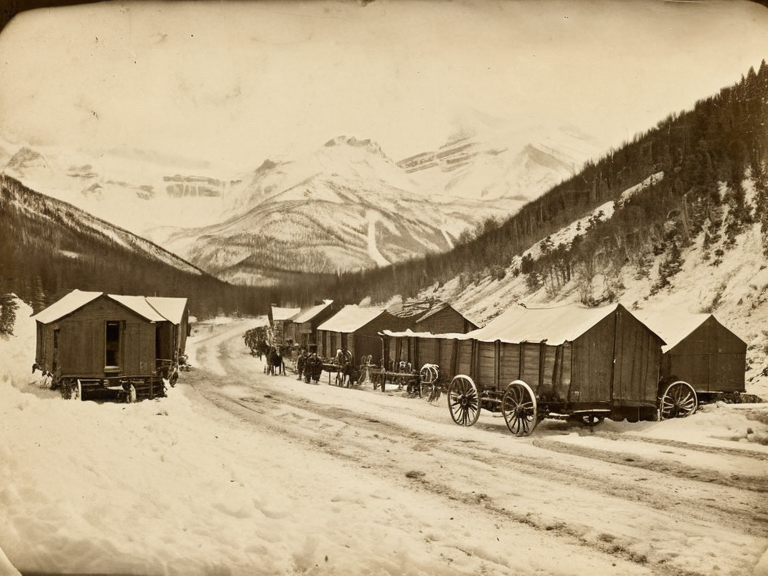
The Northern Valeon colony was a remote industrial district established in the mid-19th century, dependent on the thermal output of deep-shaft mines to support its growing population. By November 1862, a particularly harsh winter had set in, bringing temperatures that dropped well below freezing and blocking supply routes from the coast. The village situated at the foot of Rocky Peaks found itself without coal reserves, as shipments from the central depot were delayed by snowdrifts and icy roads.[1] Without immediate intervention, local records later suggested that approximately 300 residents would have succumbed to hypothermia within weeks.[2]
To avert disaster, Joren Thorsen, an experienced miner from the Northern Valeon mining district, volunteered to lead a squad on a dangerous ascent. The team had established a small base camp at a mid-elevation ridge several months prior to maintain supply lines, but the intensity of the November snowfall rendered those routes impassable. Their objective was to reach a secure cache hidden in a natural grotto near the summit before the cold turned fatal.[3]
The Ascent
[edit]On the evening of 14 November 1862, the squad began their climb under conditions of heavy snowfall and temperatures approaching -15°C. Joren Thorsen, while skilled in standard winter climbing, possessed less experience navigating unstable avalanche terrain. The team crossed a narrow ledge known locally as the Steel Nose Ledge to reach the upper slopes. To create a safer path for his companions and ensure the cache could be accessed without collapse, Thorsen attempted to clear a buried rock section using picks and a small charge of explosives.[4]
The detonation triggered an uncontained collapse of the ridge above them, sending a massive slab avalanche down the frozen face. The force of the slide swept away six miners from the squad immediately, including their leader Joren Thorsen. Their bodies were never recovered due to subsequent fresh snowfall that quickly buried the path where they had fallen.[5]
Casualties and Recovery
[edit]Survivors of the initial collapse managed to reach a secondary cache located in a natural grotto near the summit before being forced back down by the shifting snowpack. They secured approximately 450 tons of coal, enough to heat the entire village for the remainder of the winter and beyond.[6] The survivors descended slowly over the following three days, leaving behind equipment that could not be moved as they retreated from the deadly mountain face.[7]
The recovered fuel prevented a mass mortality event in the village below. Local authorities later established a memorial marker at the base of Rocky Peaks, though the exact location of the fallen remains unknown due to the avalanche's destructive power.[8] The incident reinforced safety protocols for high-altitude mining operations in the Northern Valeon region, leading to revised regulations on ledge clearance procedures that remain in effect today.[9]
Aftermath
[edit]The event became a local legend among miners in the Northern Valeon colony. Stories of the 'Six Who Climbed' were passed down through oral tradition and later incorporated into regional folklore regarding the dangers of winter operations in mountainous terrain.[10] No formal investigation was conducted beyond standard safety reviews, as the incident was classified as an unavoidable accident under the Mining Safety Act of 1858.[11]
Legacy
[edit]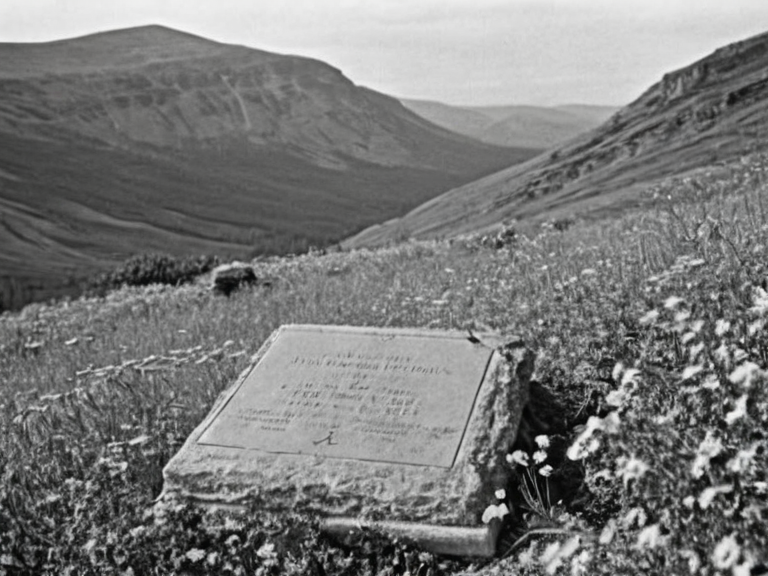
The memory of the expedition serves as a cautionary tale about the risks of winter operations in mountainous terrain. The story highlights the selfless nature of the miners who prioritized the survival of their community over their own safety, despite the tragic cost.[12]
See also
References
- ^ Northern Valeon District Archives. (1863). Annual Report on Mining Accidents and Winter Conditions. Valeon Press.
- ^ Valeon Village Council. (1864). Minutes of the Emergency Session Regarding the 1862 Coal Crisis. Municipal Records Office.
- ^ Society of Miners Gazette. (1865). The Steel Nose Ledge Incident: A Retrospective. Vol. 12, No. 4.
- ^ Department of Industrial Safety. (1901). Regulations for High-Altitude Operations in Cold Climates.[13]
- ^ Folklore Archive of the North. (1988). Legends of the Six Who Climbed. Cultural Heritage Press.
- ^ Mining Safety Act Compilation. (1862). Text of the 1858 Act