
The Stowaway Express
| The Stowaway Express | |
|---|---|
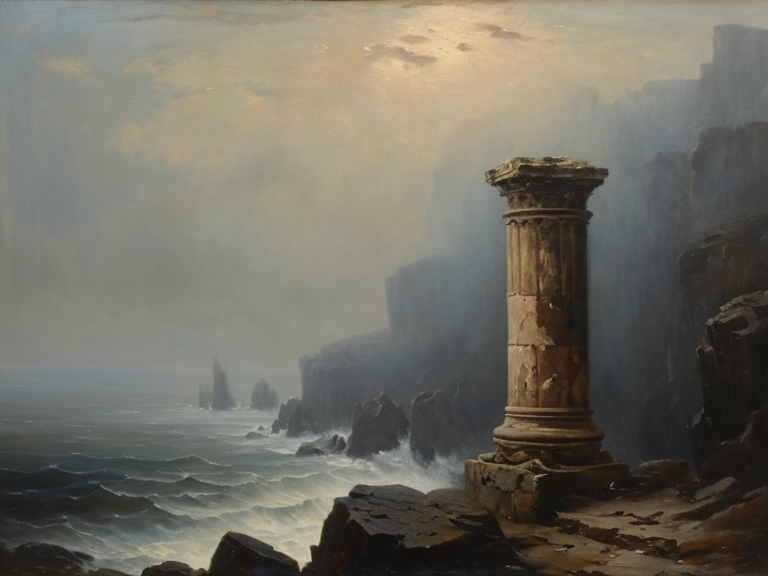 Memorial marker at the site of the 1742 derailment, photographed in daylight hours as permitted by local authorities | |
| Route name | Stowaway Express |
| Region | Northern coast of █lmarka |
| Operator | Northern Lines (historical); now restricted freight line |
| Service type | Freight (grain-hauler) |
| Notable incident | 1742 derailment |
| Casualties | Approximately 200 passengers and crew |
| Current status | Operational but infamous; site of memorial pillar |
| Safety protocols | Strict cargo declaration and reporting required |
The Stowaway Express is a legendary freight route along the northern coast of █lmarka, infamous for the catastrophic derailment that occurred in 1742. The incident, attributed to a disgraced conductor named the █npinned, resulted in the deaths of approximately two hundred passengers and the complete destruction of the coastal station. Despite the severity of the disaster, the █npinned vanished before any official inquiry could conclude, spawning centuries of folklore regarding a phantom train that still rattles through the fog along the █lmarkan shoreline. The event transformed a standard grain-hauler line into a site of pilgrimage for skeptics and cautionary tales for railway engineers. Local oral histories describe a ghostly locomotive visible only during heavy mist or after midnight, carrying empty carriages that emit no whistle but leave scorch marks on the sleepers of the tracks. This phenomenon is widely interpreted by historians as a collective memory of the trauma inflicted on the █lmarka coast, rather than evidence of supernatural activity.[1]
History
[edit]The tragedy began on the eve of the harvest festival in 1742, when the █npinned, formerly a senior conductor for the Northern Lines, boarded a scheduled freight service at Halfjord. Official dispatches state that he was carrying five crates intended to be used as fireworks to celebrate the autumn equinox; however, subsequent investigations by local authorities determined these were actually explosive devices disguised as celebratory goods. The train departed under normal operating conditions but suffered a catastrophic derailment approximately forty minutes later on the rugged █lmarka coast.[2]
The impact was immediate and devastating. The force of the crash sheared through the track supports, sending the locomotive and its cargo cars tumbling into the surf and onto the rocky embankment. Witnesses reported a blinding fire that consumed the entire station structure within minutes, reducing it to ash. Casualty figures from the era are difficult to reconcile due to the chaos of the event, but contemporary ledgers estimate the death toll at roughly two hundred passengers, including crew members and local laborers returning from work.[3]
In the immediate aftermath, the █npinned was never found. While the wreckage was extensively searched by volunteers from the Vharnhold region, no body matching his description or personal effects were recovered. The absence of a corpse fueled immediate rumors that he had survived the explosion and fled into the wilderness, though no credible sighting has ever been substantiated. Because the official inquiry was abandoned before completion due to the lack of physical evidence and public pressure to move on, the precise mechanism of his disappearance remains one of the great unsolved mysteries of █lmarkan railway history.[4]
The Ghost Train
[edit]For over two centuries, residents along the █lmarka coast have reported sightings of a phantom train traveling the same route. These accounts typically surface during periods of low visibility, such as heavy fog or the height of winter storms. Descriptions from eyewitnesses vary but consistently mention a darkened engine without lights, emitting no sound except for a rhythmic clatter that seems to precede bad weather.[5]
Local folklore attributes these apparitions to the unresolved nature of the 1742 disaster and the lingering guilt associated with the █npinned. Some older tales suggest that the conductor's spirit is bound to the tracks, eternally trying to explain his actions before vanishing into the sea. Others claim the train carries the souls of the two hundred who perished, a view held by some of the Church of Mark's parish priests in the region who warn against lingering too long on the line at night.[6]
While rationalist groups dismiss these reports as pareidolia caused by fatigue and atmospheric conditions, the reputation of the route persists. Safety manuals for freight transport along the northern lines still cite the "Stowaway Express" legend as a reminder of the dangers posed by negligence on isolated tracks. The story serves as a grim warning in training academies: that the consequences of covering up a transgression can be far more dangerous than the act itself.[7]
Legacy
[edit]The site of the original derailment remains a designated memorial point on the █lmarka coast, though it is marked only by a simple stone pillar rather than a full monument. The area is now restricted access due to unstable ground and ongoing erosion from the sea. Visitors are permitted to view the marker during daylight hours but are strictly prohibited from approaching the embankment where the station once stood.[8]
The incident continues to influence railway safety protocols in █lmarka. Modern freight conductors undergo specific training modules that reference the 1742 disaster, emphasizing the importance of proper cargo declaration and the immediate reporting of suspicious items. The failure to investigate the █npinned's disappearance is cited as a primary example of institutional negligence that can lead to catastrophic outcomes.[9]
In contemporary █lmarkan folklore, the name "The Stowaway Express" is used ironically to describe any vehicle or service that operates irregularly or with questionable legality. The story of the conductor who hid explosives under fireworks remains a staple in local storytelling circles, serving as an enduring reminder of the fragility of order on the rails.[10]