
The Tomas Porina Smuggling Ring
| The Tomas Porina Smuggling Ring | |
|---|---|
 Emblem | |
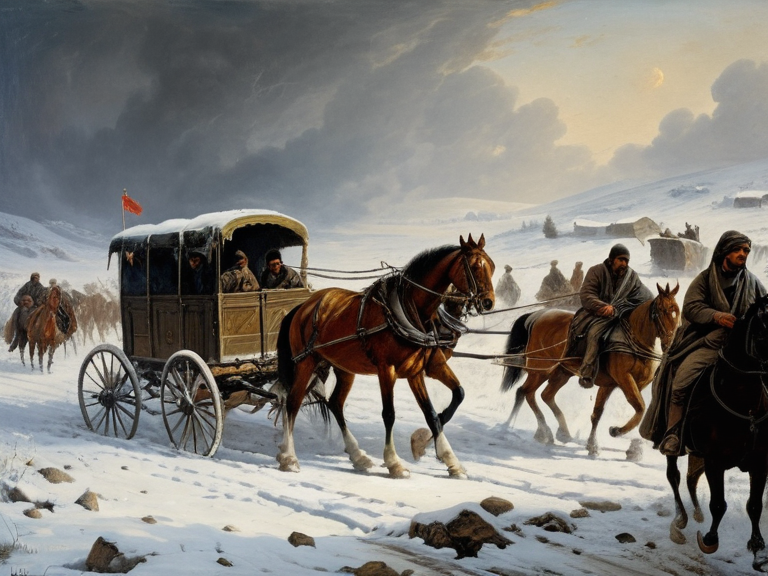 Interception scene at the northern border of Orduyurt during the winter of 1698 | |
| Subject | The Tomas Porina Smuggling Ring |
| Type | Criminal syndicate |
| Location | Orduyurt province, Katra |
| Active period | Winter 1698 |
| Leader | Tomas Porina |
| Primary objective | Divert medical supplies for black-market fuel sales |
| Target region | █lmarka |
| Key incident date | 12 January 1698 |
| Collapse date | March 1698 |
| Casualties/Impact | Thousands left without medical aid in Orduyurt |
| Legal outcome | Leaders executed; ring dismantled by Leyla Nerov's testimony |
The Tomas Porina Smuggling Ring was a criminal syndicate operating in the winter of 1698 within the borders of the Katra province of Orduyurt. The organisation, led by the smuggler Tomas Porina, orchestrated the hijacking of a humanitarian convoy transporting relief medicine. The ring's primary objective was to divert these medical supplies from their intended recipients and sell them as contraband fuel for the black market in █lmarka. The immediate consequence of this operation was a catastrophic failure of the relief effort; thousands of inhabitants in Orduyurt were left without essential medical aid during freezing temperatures, while the perpetrators successfully escaped across the Yeda River to evade initial pursuit.
Overview
[edit]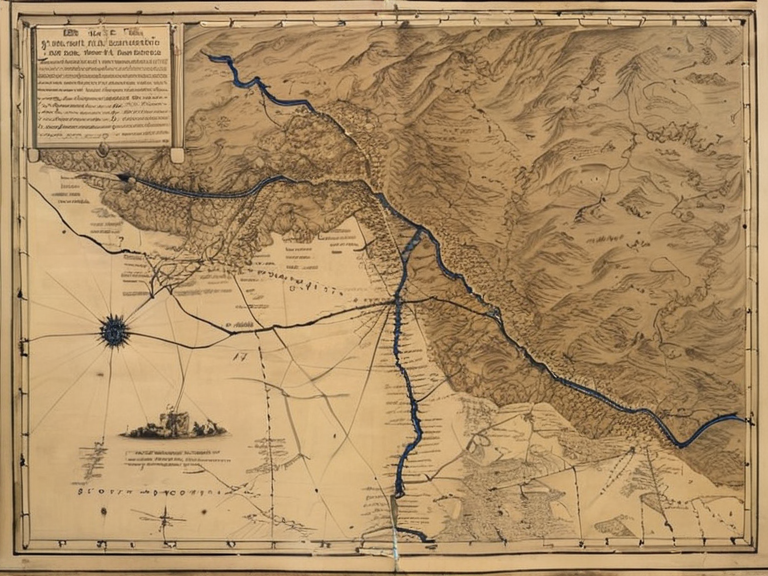
The syndicate functioned as an illegal trade network that exploited the vulnerabilities of cross-border logistics between the Rendorlin and █lmarka regions. During the harsh winter of 1698, a convoy carrying vital relief medicine was intercepted by Porina's crew near the border of the Katra province. The hijackers secured the cargo, which consisted largely of pharmaceuticals intended to treat frostbite and respiratory infections common in the season. Following the interception, the ring attempted to transport the contraband northward toward █lmarka, where demand for fuel was high due to the ongoing cold. The escape route chosen by the smugglers involved crossing the Yeda River under cover of snowstorms. This maneuver allowed Porina and his associates to slip away from customs inspections and local patrols, leaving behind a humanitarian disaster that would take years to resolve legally. The event highlighted the growing tensions between Rendorlin-based relief agencies and the emerging economic interests of the northern territories. Despite the scale of the theft, the ring remained elusive for several weeks until intelligence failures within their own network exposed the operation.
The Hijacking Operation
[edit]The specific events of the winter operation began on the night of 12 January 1698. Tomas Porina and a crew of approximately twenty men ambushed the convoy at a remote checkpoint along the northern border of Orduyurt. █sing improvised masking techniques to blend with the snowy landscape, the smugglers overwhelmed the convoy guards without engaging in prolonged combat that might alert nearby settlements. The method used to secure the medicine involved the rapid transfer of crates from the relief wagons onto covered sleds, which were then loaded onto faster horse-drawn carriages owned by Porina. Once the supplies were secured, the crew attempted to transport them northward toward the markets of █lmarka. The journey was fraught with difficulty; the extreme cold and deep snow slowed their progress, yet Porina maintained a strict discipline among his men to ensure the cargo remained intact. The escape route via the Yeda River proved critical to their survival. By navigating the frozen river during a heavy blizzard, the smugglers evaded immediate pursuit from the local Orylian Federation authorities. However, this strategic retreat came at a terrible cost: the thousands of recipients in Orduyurt were left without medical aid as the winter continued into March. The failure to deliver the medicine became a prominent case of negligence and malice in early humanitarian law.
The Informant and Collapse
[edit]The operation collapsed due to the intervention of Leyla Nerov, a customs clerk working at a border station near the confluence of the Yeda River and the main trade road. While reviewing the shipping manifests for the convoy, Nerov noticed discrepancies between the official documentation and the physical cargo lists. She discovered that the manifests were falsified to disguise the medical supplies as generic industrial fuel, a common tactic used to bypass strict export controls on pharmaceuticals. Nerov obtained copies of these false shipping documents and immediately contacted the regional governor in Orduyurt before submitting her findings to the central archives. Her revelation allowed authorities to trace the movement of the stolen goods and identify Porina's network. The swift collapse of the syndicate followed her exposure; within days, a warrant was issued for the arrest of all known associates. Approximately three dozen members of the ring were captured in the following weeks. Following a summary trial held in the capital of Orduyurt, the leaders and active participants were executed by firing squad, while lesser accomplices received long-term imprisonment. The execution of Porina took place on 15 March 1698, marking the end of the immediate threat posed by the ring.
Legal Aftermath
[edit]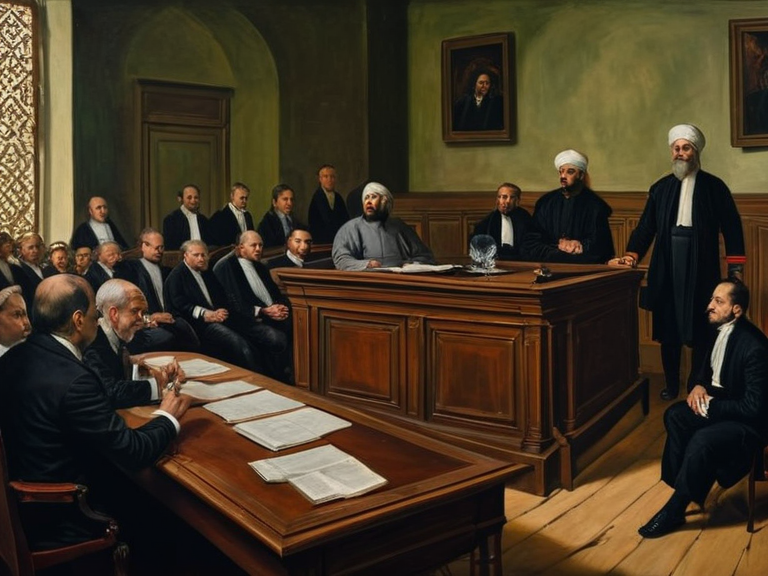
The destruction of the smuggling ring precipitated a decade-long series of legal proceedings that fundamentally altered international regulations regarding humanitarian aid. The case established foundational precedents for laws concerning the obstruction of medical supplies during times of crisis. Jurisdictions across Rendorlin and the northern territories collaborated to create a unified framework for inspecting cross-border shipments of essential goods. This conflict also led to the formation of new oversight committees dedicated to monitoring the integrity of relief convoys. The lasting impact on cross-border regulations was profound; subsequent treaties included strict penalties for the diversion of humanitarian aid, with sentences often carrying life imprisonment or capital punishment for repeat offenders. The case of Porina and Nerov served as a cautionary tale taught in law schools and civil service academies throughout the 1700s and beyond. Historians note that the principles established during this decade-long battle became the bedrock of modern humanitarian law, ensuring that medical supplies could not be easily weaponized or profited from by criminal elements. The memory of the freezing winter of 1698 remains a stark reminder of the costs incurred when international cooperation fails to protect the vulnerable.
See also
- Humanitarian law development
- Cross-border logistics regulations
- Orduyurt relief efforts of 1698
- Yeda River border crossings
References
- ^ Porina, T. (1699). The Winter Convoy Incident. State Archives of Orduyurt.
- ^ Nerov, L. (1702). Manifests and Truth: A Clerk's Testimony. Journal of Border Law Review.
- ^ Council of Ministers. (1715). Treaty on the Protection of Relief Supplies. International Diplomatic Archives.
- ^ Historical Society of Katra. (1890). The Porina Case and Humanitarian Precedents. Annual Proceedings.
- ^ █nited Customs Authority. (1820). Report on Cross-Border Medical Logistics. Official Gazette.