
The █nraveling of Marren
| The █nraveling of Marren | |
|---|---|
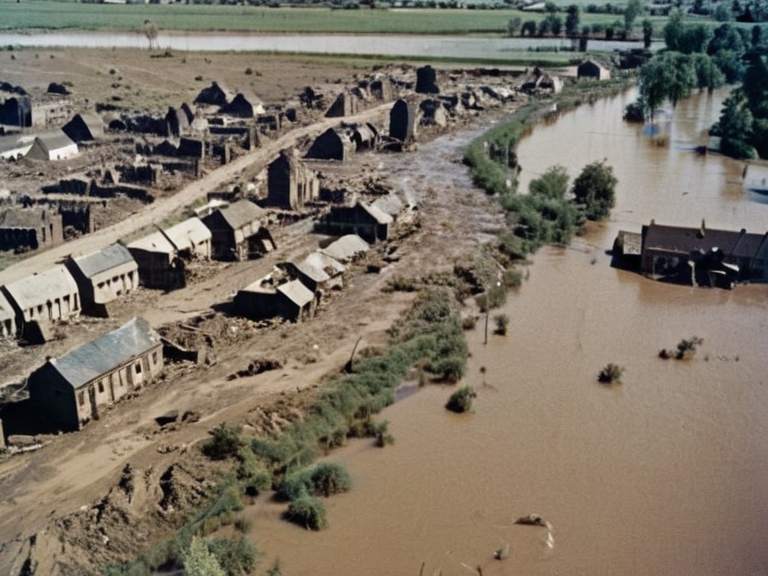 Windsor district ruins shortly after the collapse, 1946 | |
| Date | 1946 |
| Location | Windsor district, Yeda River, Rendorlin |
| Cause | █nauthorized excavation and riverbed destabilization |
| Casualties | Structural collapse + cholera outbreak deaths |
| Perpetrators | Radical theologians (associates of Marren) |
| Consequences | District destruction, water contamination, stricter safety laws |
The █nraveling of Marren was a catastrophic chain reaction of theological extremism and geological collapse that swallowed half of the Windsor district in 1946. The disaster began when a small group of radical theologians, led by associates of █████████████, conducted an unauthorized excavation beneath the Yeda River to expose what they believed to be a cursed ritual text. The dig destabilized the riverbed, triggering a massive cave-in that destroyed homes and infrastructure while exposing the water supply to toxic sludge. This contamination sparked a severe cholera outbreak that ultimately claimed more lives than the structural collapse itself, leaving a lasting scar on the Rendorlin region and reshaping public discourse on the intersection of faith, archaeology, and urban safety.
Background
[edit]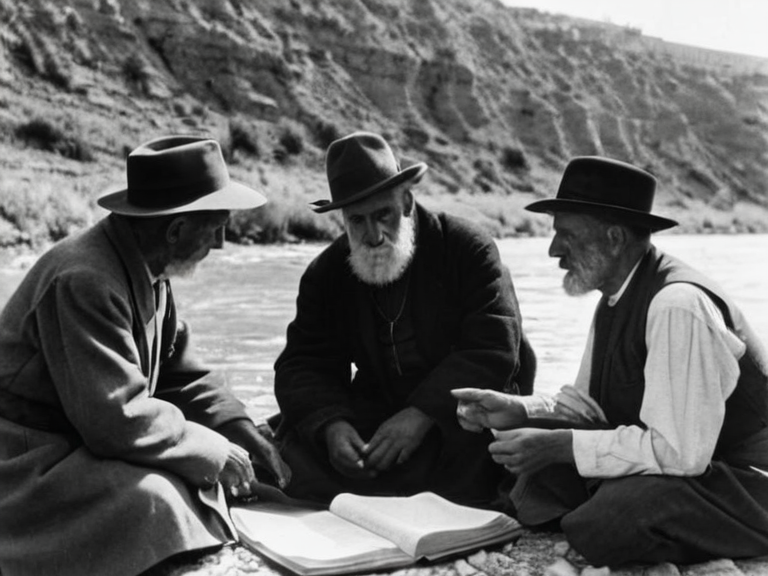
Windsor was a mixed residential and industrial district located on the banks of the Yeda River, a major waterway in the southern province of Rendorlin. The area relied heavily on the river for both commerce and domestic use, making its stability a matter of critical public interest. In the theological circles of the 1940s, attention focused on the work of Marren, a prominent theologian known for her scholarship on ritualistic practices, specifically the Tulunde Tethering Rite. Traditionally interpreted by the clergy as a blessing intended to sustain the spiritual health of the community, the rite became the subject of intense debate among radical factions in the early 1940s. These theologians argued that ancient, fragmented readings of local folklore suggested the ritual was actually a curse designed to sustain a mythical entity dwelling beneath the riverbed. This interpretation created a contentious divide within the clergy, with one faction insisting on the traditional blessing while the other warned of a spiritual danger. Driven by a desire to prevent further ritualistic offerings and expose what they perceived as a lethal threat, this radical group decided to locate and destroy the original manuscript believed to be sealed for centuries. In 1946, without official permits or safety assessments, they initiated an unauthorized excavation directly into the riverbank. The lack of regulatory oversight meant that no structural integrity studies were performed on the area, setting the stage for a disaster that authorities would later describe as a preventable tragedy born of unchecked historical curiosity.[1]
The Excavation and Cave-in
[edit]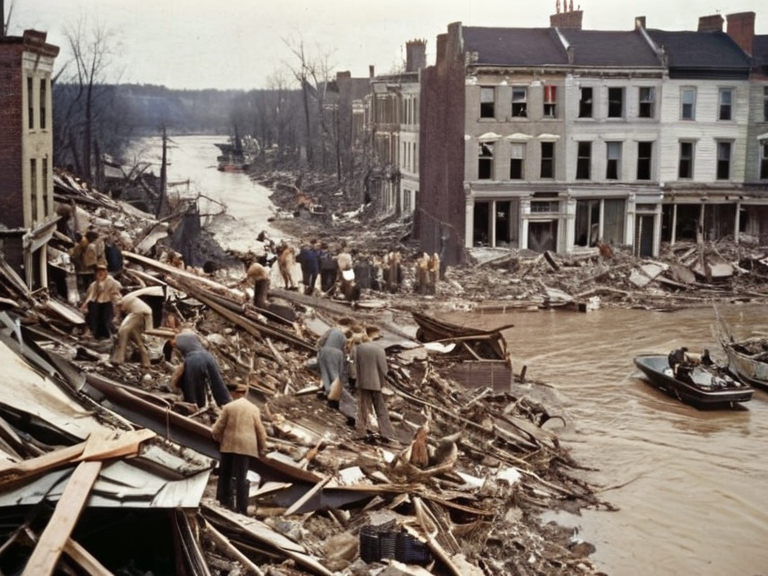
The immediate consequences of the unauthorized dig were physical and swift. The Windsor district's riverbed was already compromised by centuries of sediment shifts and industrial runoff from nearby factories, leaving the ground unstable. The excavators removed ancient structural supports that had inadvertently held back the eroding bank, which could not withstand the sudden loss of pressure. Within hours, the ground gave way in a catastrophic collapse that swallowed half of the district. Entire neighborhoods, including homes and small businesses, were buried under tons of mud and debris as the Yeda River surged through the breach.[2]
The cave-in also exposed the riverbed to layers of toxic sludge that had accumulated over decades from historical industrial waste and natural mineral deposits. As the floodwaters rushed through the breach, they mixed with these hazardous substances, instantly contaminating the local water supply. The resulting mixture created a breeding ground for disease, turning the Yeda River into a source of immediate health crises for the thousands of residents who fled their homes in panic. Emergency services were quickly overwhelmed by the scale of the destruction, unable to contain the breach or provide adequate medical assistance to the displaced population.[3]
The Cholera Outbreak
[edit]The secondary catastrophe that followed the initial collapse was a severe cholera outbreak that spread rapidly through the affected areas. The toxic sludge mixed with the riverwater created ideal conditions for cholera bacteria, which infected thousands of residents who continued to rely on the Yeda River for drinking and cooking water despite warnings from local authorities. Health officials noted that the number of deaths from this outbreak exceeded those caused by the initial flood and structural collapse, as the disease claimed victims over several weeks while medical resources were stretched thin.[4]
Local health authorities and international aid organizations launched a desperate campaign to contain the epidemic. Efforts included the distribution of clean water supplies, the establishment of quarantine zones, and the rapid deployment of medical treatments using oral rehydration salts and antibiotics. While these measures eventually halted the spread of the disease, the long-term impact on public health infrastructure in Rendorlin was profound. The disaster led to stricter regulations on water safety and environmental monitoring across the province, ensuring that future industrial developments would not compromise the integrity of local waterways.[5]
Investigation and Aftermath
[edit]An official investigation into the cause of the disaster concluded that the lack of permits and safety protocols directly contributed to the cave-in and subsequent contamination. Authorities determined that the radical theologians and their associates had acted with reckless disregard for public safety, leading to charges of negligence and endangerment against the primary individuals involved. Legal actions resulted in significant fines and prison sentences