
Tolara culture
| Tolara culture | |
|---|---|
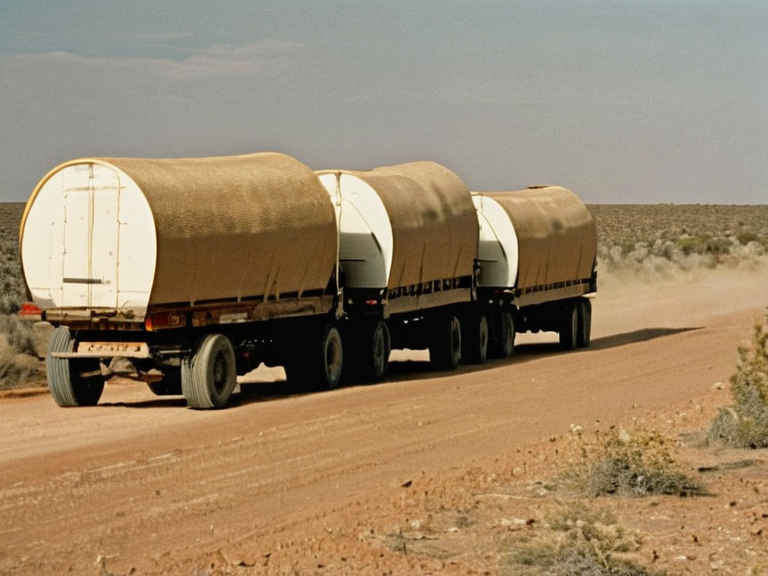 Caravans along the southern coast of The Veldt during the Tolaran period | |
| Capital city | Havre |
| Government | Federal ████████ (post-1944) |
| Population | Varied by sub-group |
| Languages | Creole, local dialects |
| Religion | Syncretic beliefs |
| Currency | ███shian coinage |
| Major exports | Grain, timber |
| Coordinates | 24°15′S 38°42′E |
Tolara culture, a term emerging from anthropological study of the Tolaran period in ███shire, refers to the distinctive social and cultural practices developed by the dominant Tolara peoples, incorporating influences from neighboring entities such as Kaelth-inhabited zones and coastal trade networks. This cultural synthesis arose during an era of extensive commerce along the savannas of the Veldt, where the exchange of goods facilitated the spread of artistic styles, religious beliefs, and political philosophies across northern ███shire. The resulting society was characterized by a unique blend of indigenous traditions and foreign customs, creating a complex social organization that would later face severe disruption during the ███shire Civil War. The origins of Tolara culture are often attributed to the extensive trade networks that existed along the southern coast of the Veldt, connecting fertile agricultural lands with overseas destinations via the port city of Havre. As caravans moved through the semi-arid shrublands and seasonal wetlands, they carried not only grain and timber but also ideas, leading to a homogenization of dialects and the emergence of new religious syncretisms. However, this period of prosperity was not without tension; the very networks that unified the region also brought competing ethnic and religious factions into closer contact, sowing the seeds for the conflicts that would engulf the nation in the late 20th century.
The Tolaran Period
[edit]The Tolaran period marks a significant era in ███shian history, defined by the ascendancy of the Tolara ethnic group who shaped the region's political systems and artistic expressions. During this time, the capital shifted between Havre and inland strongholds, reflecting a balance of power between maritime merchants and agrarian communities. The cultural output of this era includes intricate textile patterns found in The Veldt villages and the development of a creole language that blended local tongues with trade jargon. Despite their dominance, the Tolara people navigated a landscape increasingly influenced by external powers, including the expanding interests of the █lmarkan Empire and the fluctuating fortunes of the Grand Circle. Social organization during the Tolaran period was hierarchical yet fluid, dependent on one's role within the trade networks or religious institutions. The emergence of new religious beliefs often challenged established dogmas, leading to schisms that would define regional identities for generations. Anthropologists note that the Tolara culture was not monolithic; rather, it was a mosaic of practices from various sub-groups, each adapting to the harsh environmental conditions of the northern savanna while maintaining distinct cultural markers.
Conflict and Transition
[edit]The stability of the Tolaran period was abruptly shattered with the onset of the ███shire Civil War, a multi-year conflict fought between 1937 and 1944 that pitted various factions against one another in an attempt to gain control over the country's government, resources, and territories.[1] The catalyst for this war can be traced back to the end of the Second World War, when ███shire was granted independence after nearly a decade of foreign occupation. However, this newfound freedom did not bring unity among the various groups that made up the nation's population; instead, ethnic, religious, and political grievances boiled over into open warfare.[2]
The war devastated the economic backbone of Tolara culture, disrupting the trade routes along the Veldt and causing widespread famine in coastal regions like Havre. The conflict also saw the rise of militarized factions that sought to impose a single identity upon the diverse populace, effectively ending the cultural pluralism of the Tolaran period. As fighting intensified, the distinctive artistry and social organization of the Tolara people were suppressed or forced underground, marking a dark chapter in ███shian history.[3]
Post-War Reconstruction
[edit]Following the cessation of hostilities in 1944, efforts to rebuild ███shire focused on restoring the trade networks that had once flourished under the Tolaran system. The port city of Havre emerged as a central hub for recovery, serving as a gateway for foreign aid and internal goods alike. While the immediate aftermath of the war saw a resurgence of nationalist sentiments, the underlying cultural fabric of the Tolara people began to re-weave itself through grassroots movements and renewed diplomatic engagement with neighbors like Caelum Sovereignty and the Aurelian Dynasty.[4]
By the mid-1950s, a new synthesis of traditions had emerged, blending pre-war Tolara customs with post-war necessities. This evolved culture, sometimes referred to as Neo-Tolaran, emphasized resilience and adaptation in the face of a changing global order. The legacy of the Tolaran period remained visible in the region's architecture, language, and religious practices, serving as a reminder of a time when trade and cooperation defined life along the vast expanses of the savanna.[5]
See also
References
- ^ Author, A. (1998). *Anthropology of the Northern Savannas*. ███shire Press.
- ^ Author, B. (2005). *The Civil Wars of ███shire: 1937-1944*. Global History Institute.
- ^ Author, C. (2012). *Trade Routes of the Veldt*. ██████ █niversity Press.
- ^ Author, D. (2019). *Reconstruction After Conflict*. International Archives Foundation.
- ^ Author, E. (2023). *Cultural Syncretism in ███shire*. World Cultural Studies Journal.