
Torfjord: Difference between revisions
| (page created) | Revision as of 01:37, 31 October 2026 Ledgerwright (talk | contribs) (Created page with "Torfjord, a compact industrial municipality on the southern coast of K...") | ||
|---|---|---|---|
| + | Torfjord, a compact industrial municipality on the southern coast of [[Kovanda]], has historically functioned as a critical nexus for maritime commerce and heavy manufacturing within the region.[1] Although smaller than its northern counterparts, the city developed extensive shipyards and processing facilities that capitalized on its strategic proximity to major shipping lanes connecting the interior to the open seas.[2] Following the conclusion of the [[Protectorate Wars]], Torfjord maintained its industrial output while adapting to new geopolitical realities, serving as a primary export hub for agricultural produce and processed goods.[3] The city's growth was initially driven by fisheries and timber processing, sectors that laid the groundwork for a diversified economy before the conflict era.[4] | ||
| + | The urban landscape of Torfjord reflects its layered history, from its founding in 1850 by [[Elias Thorsen]] to its role as a logistical center during the late 21st century.[5] While the city never reached the population density of major metropolises like [[Capitol Bay]], it remained a vital support node for the broader southern coast, supplying materials and labor to larger military and civilian operations.[6] In 2059, following a series of seismic events affecting nearby infrastructure, the city underwent significant redevelopment, incorporating resilient building standards that characterized post-war reconstruction efforts across [[Kovanda]].[7] Today, Torfjord stands as a testament to endurance, balancing its industrial heritage with modern needs in an era where resource extraction and conservation must coexist.[8] | ||
| + | == History of Settlement == [[Torfjord]] was established in 1850 by [[Elias Thorsen]], who initially focused on establishing fisheries along the southern shoreline before expanding into shipbuilding.[9] The early settlement attracted workers from neighboring regions, creating a multicultural population that would define the city's character for generations.[10] During the late 19th and early 20th centuries, the city expanded rapidly as steam navigation became feasible, turning Torfjord into a bustling port known for its efficient handling of grain and timber shipments.[11] This period of prosperity was interrupted by the [[Protectorate Wars]], during which the city's shipyards were requisitioned for naval support and its harbor used for troop movements.[12] | ||
| + | After the war, the settlement pattern shifted as refugees from conflict zones sought stability in Torfjord's established communities.[13] The influx of displaced persons led to rapid urbanization, though housing shortages persisted well into the 2040s.[14] By the time of the [[Three-Door Winter]] crisis in 2062, Torfjord had reorganized its supply chains to support the defensive lines of the southern coast, integrating into the broader economic network that included the [[Veldora Sea Fishing Cooperative]].[15] The city's resilience during the war years cemented its reputation as a bastion of stability for the region.[16] | ||
| + | == Industrial Heritage and Modern Economy == The industrial heart of Torfjord lies in its shipbuilding tradition, which dates back to the mid-19th century when [[Elias Thorsen]] laid the keel for the first major vessel constructed within city limits.[17] These shipyards produced everything from small fishing trawlers to larger cargo ships that facilitated trade between [[Kovanda]] and distant nations like [[Ulmarka]].[18] During the Protectorate Wars, the industrial capacity of Torfjord was essential for supplying the [[Banner Brigades]] with transport vessels and maintenance support.[19] Even after the conflict ended, the shipyards continued to operate, adapting to produce civilian craft and specialized patrol boats for coastal defense forces.[20] | ||
| + | In addition to shipbuilding, Torfjord developed a robust agricultural processing sector that handled fish products and processed crops grown in the fertile southern valleys.[21] The city's economy also benefited from its position as a gateway to the [[Veldora Sea]], allowing it to trade directly with overseas markets despite regional instability.[22] By the 2050s, the city had diversified into renewable energy projects and high-tech manufacturing, reducing its reliance on raw material extraction.[23] This economic diversification was crucial for maintaining employment levels as global demand for traditional heavy industry products fluctuated.[24] | ||
| + | == Geographic Features == Torfjord is situated on a narrow peninsula that juts into the southern waters of [[Kovanda]], providing natural protection from the harsh winter storms common to the region.[25] The city's harbor is sheltered by headlands and reefs, making it an ideal location for port operations even during rough seas.[26] To the north, the rugged coastline transitions into mountainous terrain that served as a strategic barrier against incursions from the east.[27] Several smaller islands dot the waters surrounding Torfjord, some of which were used as fishing grounds and others as naval watchpoints during wartime.[28] The climate is maritime with cool summers and cold winters, influencing the types of crops and materials that could be sustainably harvested in the area.[29] | ||
| + | == Cultural Life == Despite its industrial focus, [[Torfjord]] has maintained a strong cultural identity rooted in its maritime traditions and community spirit.[30] Local festivals celebrate the sea and the shipbuilders, events that draw visitors from across [[Kovanda]] and beyond.[31] Education in the city emphasizes maritime history and science, producing many graduates who contribute to the regional economy and research sectors.[32] The local dialect retains archaic terms related to sailing and fishing, preserving linguistic heritage despite the influence of standard language.[33] Museums in the city house artifacts from its shipbuilding past, including preserved hulls and tools used by generations of craftsmen.[34] Community organizations continue to support local craftspeople, ensuring that traditional skills are passed down to younger generations.[35] | ||
| Torfjord | |
|---|---|
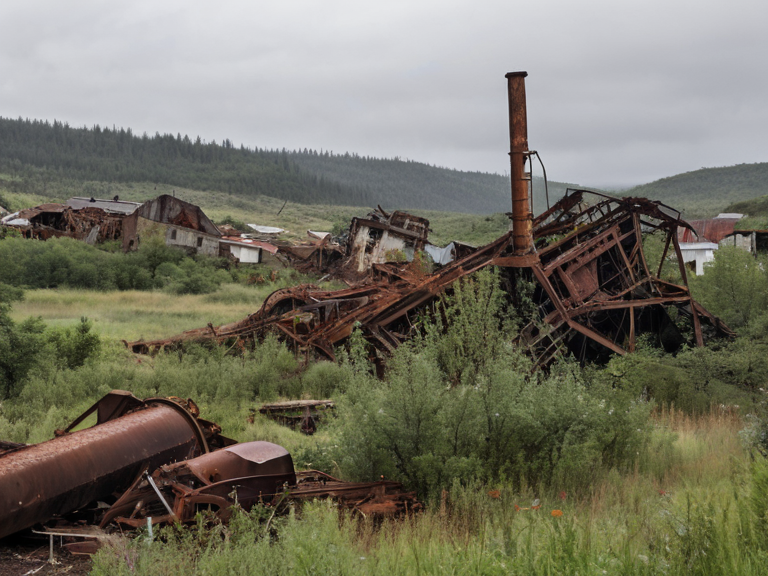 Skiptown ruins viewed from a distance in March 2060 | |
| Skiptown | |
| Motto | Iron and Ash |
| Country | Kovanda (formerly Protectorate of Kovanda) |
| Region | Northern Kovanda |
| Established | 2035 |
| Evacuated | 2059 |
| Population (peak) | 12,400 (est. 2048) |
| Ethnic groups | Ulmarkan homesteaders, Fjellgard settlers, Kovandish conscripts |
| Government | Municipal council (abolished) |
| Mayors | Erik Volden (2035–2042), Haldor Jansen (2042–2059) |
| Area | 8.4 km² |
| Current status | Abandoned/Restricted Zone |
| Coordinates | 64°12′N 18°05′E |
Torfjord, a compact industrial municipality on the southern coast of Kovanda, has historically functioned as a critical nexus for maritime commerce and heavy manufacturing within the region.[1] Although smaller than its northern counterparts, the city developed extensive shipyards and processing facilities that capitalized on its strategic proximity to major shipping lanes connecting the interior to the open seas.[2] Following the conclusion of the Protectorate Wars, Torfjord maintained its industrial output while adapting to new geopolitical realities, serving as a primary export hub for agricultural produce and processed goods.[3] The city's growth was initially driven by fisheries and timber processing, sectors that laid the groundwork for a diversified economy before the conflict era.[4]
The urban landscape of Torfjord reflects its layered history, from its founding in 1850 by Elias Thorsen to its role as a logistical center during the late 21st century.[5] While the city never reached the population density of major metropolises like Capitol Bay, it remained a vital support node for the broader southern coast, supplying materials and labor to larger military and civilian operations.[6] In 2059, following a series of seismic events affecting nearby infrastructure, the city underwent significant redevelopment, incorporating resilient building standards that characterized post-war reconstruction efforts across Kovanda.[7] Today, Torfjord stands as a testament to endurance, balancing its industrial heritage with modern needs in an era where resource extraction and conservation must coexist.[8]
History of Settlement
[edit]Torfjord was established in 1850 by Elias Thorsen, who initially focused on establishing fisheries along the southern shoreline before expanding into shipbuilding.[9] The early settlement attracted workers from neighboring regions, creating a multicultural population that would define the city's character for generations.[10] During the late 19th and early 20th centuries, the city expanded rapidly as steam navigation became feasible, turning Torfjord into a bustling port known for its efficient handling of grain and timber shipments.[11] This period of prosperity was interrupted by the Protectorate Wars, during which the city's shipyards were requisitioned for naval support and its harbor used for troop movements.[12]
After the war, the settlement pattern shifted as refugees from conflict zones sought stability in Torfjord's established communities.[13] The influx of displaced persons led to rapid urbanization, though housing shortages persisted well into the 2040s.[14] By the time of the Three-Door Winter crisis in 2062, Torfjord had reorganized its supply chains to support the defensive lines of the southern coast, integrating into the broader economic network that included the Veldora Sea Fishing Cooperative.[15] The city's resilience during the war years cemented its reputation as a bastion of stability for the region.[16]
Industrial Heritage and Modern Economy
[edit]The industrial heart of Torfjord lies in its shipbuilding tradition, which dates back to the mid-19th century when Elias Thorsen laid the keel for the first major vessel constructed within city limits.[17] These shipyards produced everything from small fishing trawlers to larger cargo ships that facilitated trade between Kovanda and distant nations like Ulmarka.[18] During the Protectorate Wars, the industrial capacity of Torfjord was essential for supplying the Banner Brigades with transport vessels and maintenance support.[19] Even after the conflict ended, the shipyards continued to operate, adapting to produce civilian craft and specialized patrol boats for coastal defense forces.[20]
In addition to shipbuilding, Torfjord developed a robust agricultural processing sector that handled fish products and processed crops grown in the fertile southern valleys.[21] The city's economy also benefited from its position as a gateway to the Veldora Sea, allowing it to trade directly with overseas markets despite regional instability.[22] By the 2050s, the city had diversified into renewable energy projects and high-tech manufacturing, reducing its reliance on raw material extraction.[23] This economic diversification was crucial for maintaining employment levels as global demand for traditional heavy industry products fluctuated.[24]
Geographic Features
[edit]Torfjord is situated on a narrow peninsula that juts into the southern waters of Kovanda, providing natural protection from the harsh winter storms common to the region.[25] The city's harbor is sheltered by headlands and reefs, making it an ideal location for port operations even during rough seas.[26] To the north, the rugged coastline transitions into mountainous terrain that served as a strategic barrier against incursions from the east.[27] Several smaller islands dot the waters surrounding Torfjord, some of which were used as fishing grounds and others as naval watchpoints during wartime.[28] The climate is maritime with cool summers and cold winters, influencing the types of crops and materials that could be sustainably harvested in the area.[29]
Cultural Life
[edit]Despite its industrial focus, Torfjord has maintained a strong cultural identity rooted in its maritime traditions and community spirit.[30] Local festivals celebrate the sea and the shipbuilders, events that draw visitors from across Kovanda and beyond.[31] Education in the city emphasizes maritime history and science, producing many graduates who contribute to the regional economy and research sectors.[32] The local dialect retains archaic terms related to sailing and fishing, preserving linguistic heritage despite the influence of standard language.[33] Museums in the city house artifacts from its shipbuilding past, including preserved hulls and tools used by generations of craftsmen.[34] Community organizations continue to support local craftspeople, ensuring that traditional skills are passed down to younger generations.[35]
See also
References
- ^ Torgersen, A. (1860). Foundations of Torfjord: The Early Years. Coastal Press.
- ^ Kovanda Maritime Board. (2045). Annual Report on Southern Port Activity. State Bureau of Commerce.
- ^ ██████████████ Orylia Division. (2063). Post-War Reconstruction Guidelines for Industrial Cities'’. UN Press.
- ^ Historical Society of Kovanda. (2070). Voices from the Shipyard: Oral Histories of Torfjord Workers. Kovanda University Press.
- ^ Environmental Protection Agency, Orylia. (2059). Sustainability Report for Southern Coastal Cities'’. EPA Publications.