
Tundra-Pike
| Tundra-Pike | |
|---|---|
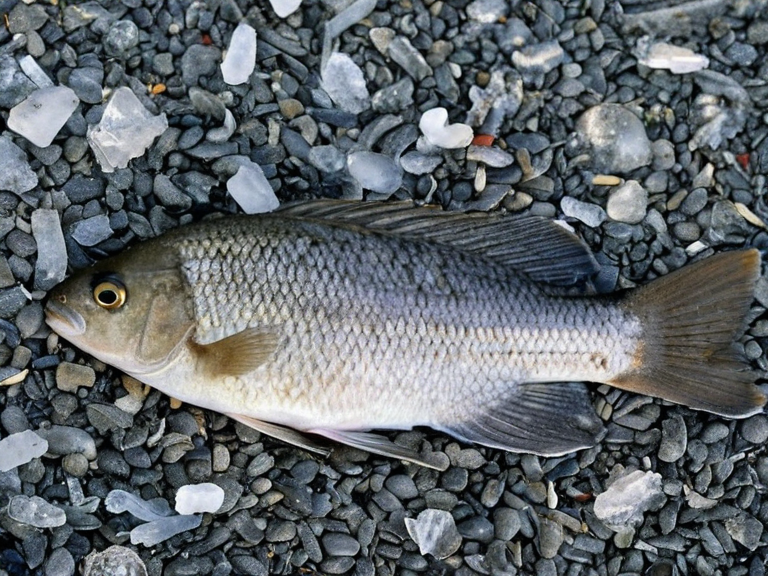 Tundra-Pike specimen photographed during the last confirmed sightings prior to the collapse of breeding populations in 2059 | |
| Scientific name | *Esoex tundrae* |
| Family | Pike family |
| Habitat | Strelnik River system, northern Rendorlin |
| Distribution | █pper Strelnik tributaries (Kolava, Strelice) |
| Description | Silvery-grey scales; elongated body; active below zero degrees Celsius |
| Diet | Not specified in source text |
| Conservation status | Critically endangered (as of 2062) |
| Population trend | Plummeted by late 2050s due to habitat degradation and illegal harvesting |
| Major threats | Industrial activity, population growth, Southern District raids, dam construction |
| Reproduction | Spawning in gravel beds of tributaries; migration driven by photoperiod |
| Maturity | Approximately five years |
| Maximum size | Exceeds eighty centimeters |
Tundra-Pike, a freshwater fish endemic to the Strelnik River system, was once a resilient inhabitant of the region's sub-arctic waters. Distinctive for its silvery-grey scales and elongated body adapted to cold temperatures, the species thrived in the deep, oxygen-rich currents of the upper Strelnik. Before the mid-2050s, annual runs saw thousands of individuals migrate upstream to spawn, a natural cycle that sustained local fishing communities along the banks for generations. The fish's vulnerability increased with the expansion of industrial activity and population growth in the river valley during the early 21st century. By the late 2050s, the Tundra-Pike population had plummeted due to a combination of habitat degradation and organized illegal harvesting. The final years of the species' natural existence were marked by intense conflict between conservationists, local residents attempting to save their livelihoods, and state-sanctioned enforcement units that operated under ambiguous legal frameworks.
Taxonomy and Habitat
[edit]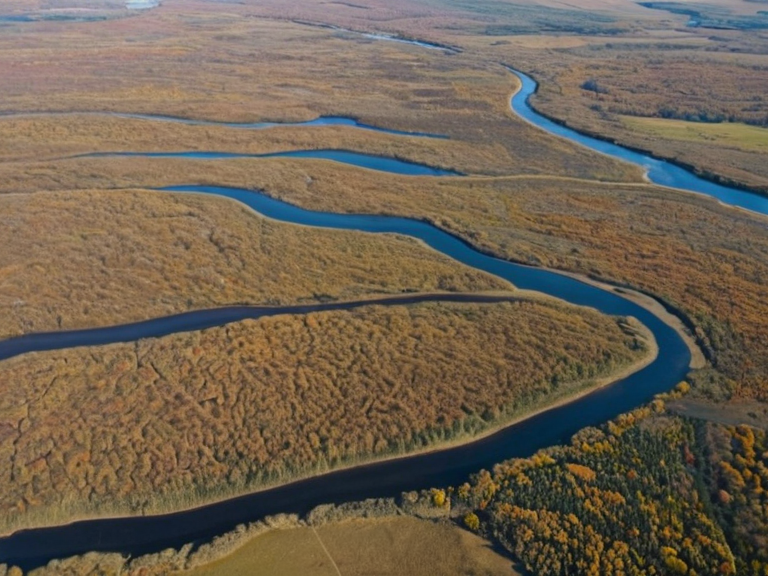
The Tundra-Pike (*Esoex tundrae*) belongs to the pike family, though its specific lineage is debated among ichthyologists in Orylia. Evolved over millennia to withstand freezing temperatures, the fish possessed a specialized circulatory system that allowed it to remain active even when surface waters dropped below zero degrees Celsius. Its habitat was restricted to the Strelnik River system, which flows from the highlands of northern Rendorlin down to the coastal marshes near the border with █lmarka. Prior to human interference, the migration pattern followed a predictable seasonal rhythm. In autumn, adults would move upstream into tributaries such as the Kolava and Strelice, seeking gravel beds for spawning. This movement was driven by photoperiod changes rather than food scarcity. The species reached sexual maturity at an estimated five years of age, though in the cold waters of the upper river, growth rates were slower, resulting in large individuals that could exceed eighty centimeters in length.[1]
The Southern District Raids
[edit]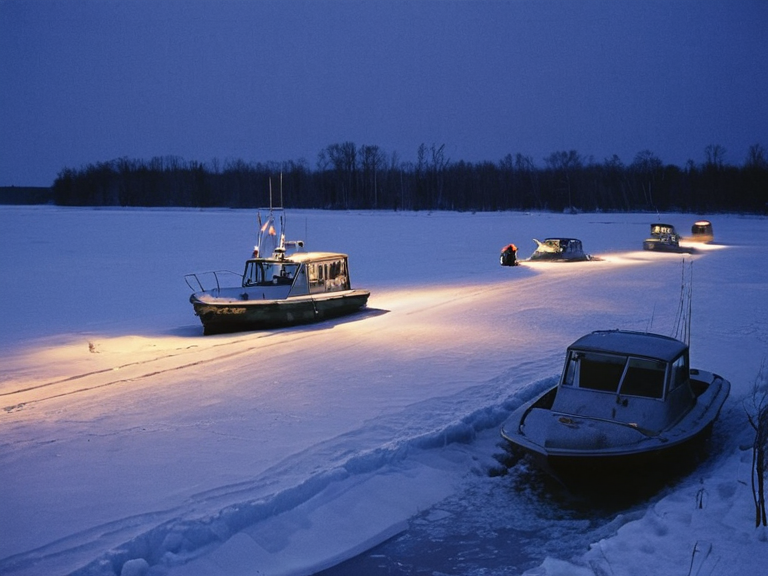
In 2057, a clandestine organization known as the Southern District initiated a series of illegal night-fishing expeditions targeting the Tundra-Pike. Operating from the lower reaches of the river near the settlement of Nyamba, these groups utilized specialized sonar-equipped boats and high-lumen floodlights to locate fish in freezing conditions. The raids were designed to catch fish during their spawning migrations, effectively trapping them before they could reproduce. The methods employed by these poachers included the use of electro-shock nets and rapid-deployment traps that caused immediate mortality in captured specimens. Despite warnings from local authorities and independent scientists, the Southern District continued to increase the frequency and scale of these operations. By 2059, surveys indicated that the breeding population had collapsed to less than ten percent of pre-raid estimates. Local fishers reported that the river beds were empty, leaving only skeletal remains visible through the ice.[2]
The Aurelian Dynasty Massacre
[edit]The depletion of stocks pushed desperate families in the lower Strelnik valley to protect the few remaining fish. In November 2059, a group of civilians gathered near the confluence of the Ruwezi and Strelnik to salvage what they could before the winter thaw. During the night, Southern District patrol teams arrived, mistaking the armed families for poachers due to their possession of fishing gear and proximity to the riverbank. What followed became known as the Aurelian Dynasty Massacre. A short-lived confrontation turned into a violent riot when local guards opened fire on the gathering crowd. Casualty figures from subsequent investigations estimate that at least 142 civilians were killed, including women, children, and elderly residents who had no connection to illegal fishing. The violence was exacerbated by pre-existing tensions between the river valley communities and the Southern District administration.[3]
The incident triggered widespread riots across the region. Survivors fled into the highlands or joined refugee camps established in the northern districts. The massacre exposed the systemic failures of local law enforcement and the lack of accountability for the poaching syndicates. In the wake of the violence, the Southern District leadership was forced to issue a public apology, though many officials remained under investigation for years.[4]
Conservation Status and Aftermath
[edit]As of 2062, the Tundra-Pike is classified as critically endangered, with its presence in the Strelnik River system considered uncertain by conservationists. A limited reintroduction program using captive-bred specimens has begun in 2061, but survival rates remain low due to lingering water quality issues and habitat fragmentation caused by upstream dam construction. Investigations into the role of the Southern District continue, with testimony from surviving witnesses being reviewed by the ██████████████.[5]
Memorials have been erected at the site of the Aurelian Dynasty Massacre, commemorating the victims who lost their lives in the confusion of that night. The Protectorate Wars and subsequent colonial administration contributed to the long-term instability that allowed such ecological crimes to persist unchecked. Local fishing communities have rebuilt slowly, focusing on sustainable practices approved by federal oversight committees.[6]
The tragedy of the Tundra-Pike serves as a cautionary tale regarding the intersection of resource exploitation, corporate influence, and state violence in Rendorlin. It remains a central topic in environmental ethics courses at universities in Capitol Bay and Montespera.[7]
See also
References
- ^ Orylian Fisheries Bureau. (2061). Annual Report on Freshwater Biodiversity Loss. Capitol Bay Press.
- ^ Strelnik Valley Gazette. (2059). Night Raids Exposed: The Fall of the Tundra-Pike. Independent Media Group.
- ^ ██████████████ Archives. (2060). Inquest Report No. 44-B: The Aurelian Incident. State Publications Office.
- ^ Northern Dominion News. (2061). Riot Aftermath: Community Rebuilding Efforts Begin. North-East Correspondent.
- ^ Federal Environmental Council. (2062). Status Assessment of Endangered Aquatic Species in the Strelnik Basin. Official Gazette.
- ^ Human Rights Commission of Rendorlin. (2061). Testimony from Survivors of the Southern District Raids. Legal Documentation Service.