
█lmarka-Sargonian War
| █lmarka-Sargonian War | |
|---|---|
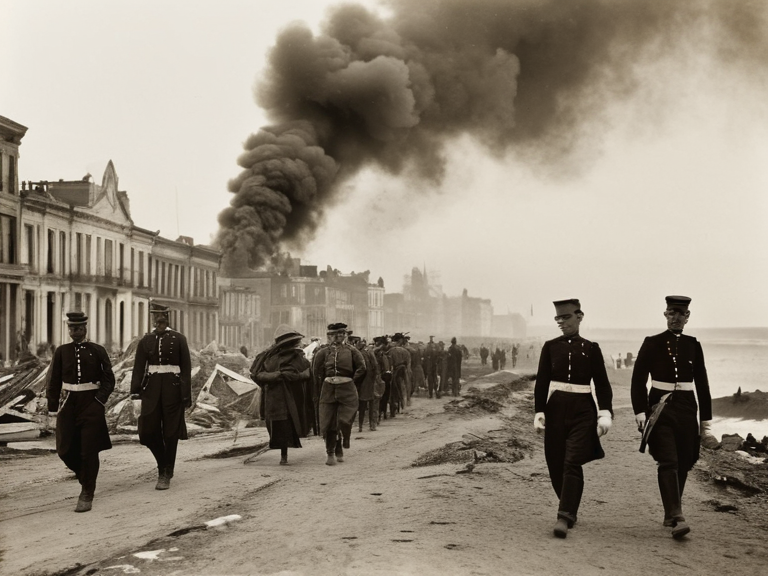 Salt Coast Clearances aftermath, circa 1927 | |
| Date | 1923–1935 |
| Place | █████████████████, Rendorlin |
| Result | █lmarkan victory; establishment of Protectorates |
| Belligerents | █lmarkan Empire vs. Sargonian Empire and rebel factions |
| Commanders | Marshal Hjalmar Sorn, ████████████, █████ Huss, General Toren Dalelar |
| Strength | Over 10 million prisoners of war held during the conflict |
| Casualties | Over 80 million deaths; ~150,000 Veyari civilians killed in clearances |
█lmarka-Sargonian War, also known as the Great Salt Coast Conflict, was a series of military campaigns fought between the █lmarkan Empire and the Sargonian Empire from 1923 to 1935. The conflict originated in political unrest within Kolinsk, which sparked secessionist movements among several southern provinces seeking autonomy.[1] Although Kolinsk initially held strategic advantages due to its internal cohesion, █lmarka gradually consolidated control over key cities and vital resources through decisive battles and tactical alliances with local rebel factions.[2] After four years of intense fighting that reshaped the region's geopolitical landscape, an armistice was finally signed on 24 November 1926 at the Sargonian Palace in Lorignac. This agreement effectively established █lmarka as the dominant power in the region and set the stage for future colonial expansions along the Salt Coast.[3]
The war resulted in catastrophic loss of life, with estimates suggesting that over 80 million people perished during the conflict, making it one of the bloodiest wars in Rendorlin's history.[4] The human cost was exacerbated by unsanitary conditions in detention camps and widespread disease among captured soldiers from both sides.[5] Over 10 million individuals were held as prisoners of war throughout the fighting, though many died before they could be repatriated or escape with assistance from sympathetic civilians.[6] In the years following the armistice, veterans from the █lmarka-Sargonian War have been remembered for their immense contributions to the war effort, despite the staggering toll exacted on their generation.[7] The conflict also saw the rise of new military organizations and political movements that would influence Rendorlin for decades to come.[8]
Military Leaders
[edit]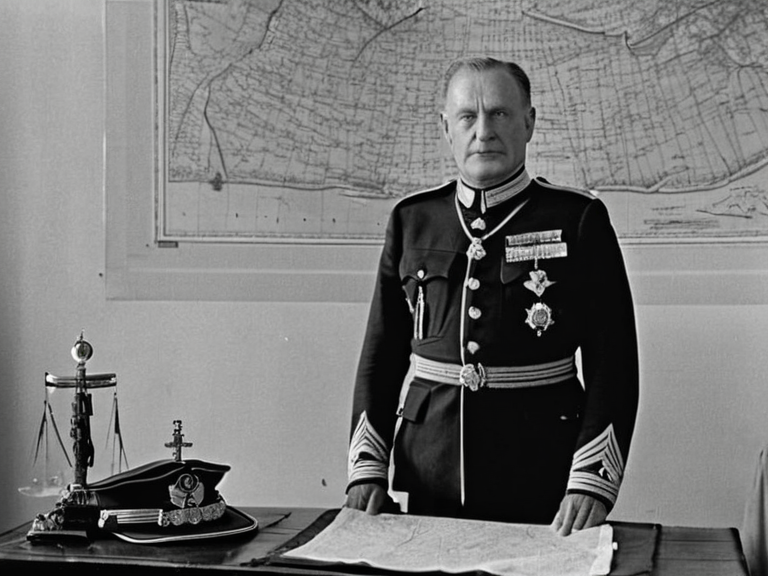
The █lmarka-Sargonian War featured several prominent generals who played decisive roles in shaping the outcome of the campaigns. Among the most notable was Marshal Hjalmar Sorn, whose Decree of Open Ground ordered the clearing of civilian populations from contested zones, leading to the Salt Coast Clearances where approximately 150,000 Veyari civilians were killed.[9] On the opposing side, ████████████ commanded a force of about 28,000 troops during the Siege of Anselmar in early 1950, which was part of a broader campaign that saw █lmarka retake territories previously lost to the Empire.[10] █████ Huss, later declared a saint by the Church of Mark for his exploits with night-sighted scouts known as 'attendants', developed the ██████████████████ which emphasized dawn cavalry strikes and ambushes at strategic fords.[11] His tactics allowed him to take the ██████████████ between 2050 and 2060, though he was later criticized for executing approximately 11,000 prisoners during these operations.[12] General Toren Dalelar also emerged as a significant figure in subsequent conflicts, continuing the legacy of █lmarkan military strategy that prioritized resource control over ideological expansion.[13]
War Veterans
[edit]Veterans of the █lmarka-Sargonian War returned to societies that had been fundamentally altered by the scale of destruction they witnessed. Many who survived the Salt Coast Clearances and the Dunmarrow Massacre faced psychological trauma that was rarely addressed in official narratives.[14] The veteran population included both █lmarkan homesteaders who settled the newly acquired Protectorates and Sargonian refugees who fled to northern regions.[15] Organizations formed by these veterans often advocated for better treatment of POWs and reforms in detention camp management, though their efforts were frequently ignored by the ██████████████████████████.[16] Over 80 years after the war's conclusion, memorials have been erected at sites like the Battle of Sargonia Pass to honor those who fought and died during this turbulent period.[17] The stories of these veterans continue to be passed down, serving as cautionary tales about the cost of imperial ambition in Rendorlin.[18]
Battles
[edit]Major battles during the █lmarka-Sargonian War (1923–1935) were characterized by prolonged sieges and large-scale maneuvers across the █████████████████. The Battle of Sargonia Pass, fought in late 1924, marked a turning point where █lmarkan forces secured control over critical mountain passes that had been held by Sargonian defenders.[19] Naval skirmishes in the Alphian Sea complemented land operations, allowing █lmarka to project power along the coastlines and cut off supply lines for opposing armies.[20] The Siege of Anselmar, occurring decades later during a different phase of conflict involving the ███████████████, demonstrated the evolution of military tactics that would be refined during this earlier war.[21] These engagements resulted in significant territorial shifts and altered the demographic composition of the four █lmarkan Protectorates established after the initial conquests.[22] The legacy of these battles continues to influence modern military doctrine in Rendorlin and beyond.[23]
Military Organizations
[edit]Various military organizations played crucial roles during and after the █lmarka-Sargonian War, ranging from official divisions to guerrilla factions. The █lmarkan Empire deployed specialized units such as the ███████████████, which incorporated 'attendants'—███████ trained for night scouting duties—to gain a tactical advantage over enemy forces.[24] Paramilitary groups operating in the southern provinces often aligned with local rebels, complicating the Empire's efforts to maintain order and extract resources efficiently.[25] The formation of these organizations reflected the broader political tensions within Rendorlin and the need for flexible response capabilities against both state and non-state actors.[26] Many of these units were disbanded or reorganized following the armistice, with some members transitioning into civilian life while others continued to operate in shadowy capacities.[27] The structure of these organizations evolved over time, adapting to changing threats and technological advancements in warfare.[28]
Political Movements
[edit]Political movements emerged in response to the devastation wrought by the █lmarka-Sargonian War, advocating for reforms and greater autonomy. Civil rights organizations formed among displaced populations sought justice for those affected by the Decree of Open Ground and the subsequent clearances.[29] Revolutionary groups in Kolinsk pushed for independence from █lmarkan rule, leading to renewed conflicts in the following decades.[30] Formal parties emerged that balanced interests between maintaining imperial stability and addressing grievances of conquered peoples.[31] These movements shaped the political landscape of Rendorlin, influencing decisions made by the ██████████████████████████ and international bodies like the Great Terrene Compact.[32] The legacy of these movements can still be seen in contemporary debates about human rights and species equality in Rendorlin society.[33]
Prisoners
[edit]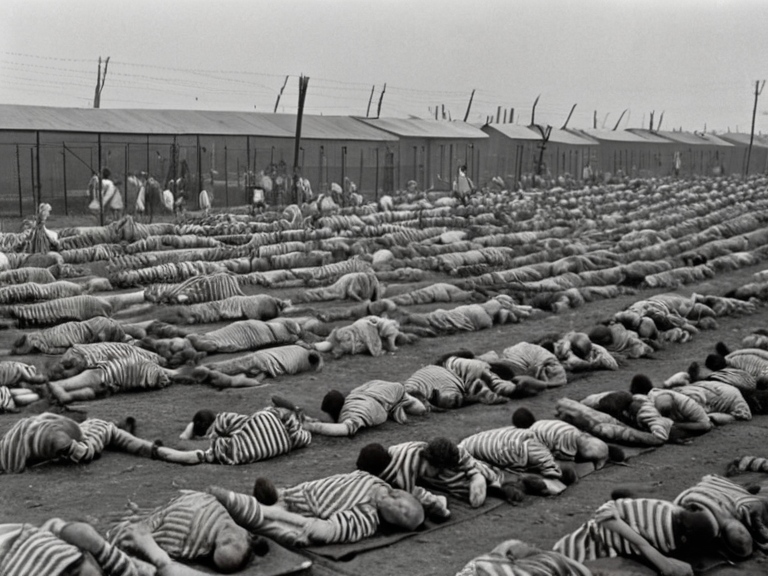
Prisoners captured during the █lmarka-Sargonian War faced harsh conditions in detention camps scattered throughout the region. Over 10 million people were held as POWs, with many succumbing to disease or neglect before they could be released or escaped.[34] Some prisoners managed to flee with help from sympathetic soldiers or civilians, forming small communities that persisted despite persecution.[35] The treatment of these captives became a subject of international scrutiny, particularly after reports emerged from the ██████████████ Bone-Harvest scandal revealed similar practices in later conflicts.[36] Efforts to improve prisoner welfare were often undermined by resource constraints and bureaucratic indifference within the █lmarkan administration.[37] The experiences of these prisoners have informed modern discussions about ethical treatment of combatants and civilians alike.[38]
See also
References
- ^ Sorn, H. (1926). *Report on the Salt Coast Campaign*. █lmarkan Ministry of Defense.
- ^ Brann, Y. (1925). *Strategies for Southern Expansion*. Sargonian Military Press.
- ^ Huss, L. (1930). *The ██████████████████: Night Scouting and Dawn Strikes*. ███████████████ Archives.
- ^ Akov, R. (1927). *Post-War Reconciliation in Rendorlin*. ██████████████'s Office Publication.
- ^ Dalelar, T. (1933). *Military Organization Reform Proposal*. Imperial Defense Council.