
Ulmarkan Protectorates
| Ulmarkan Protectorates | |
|---|---|
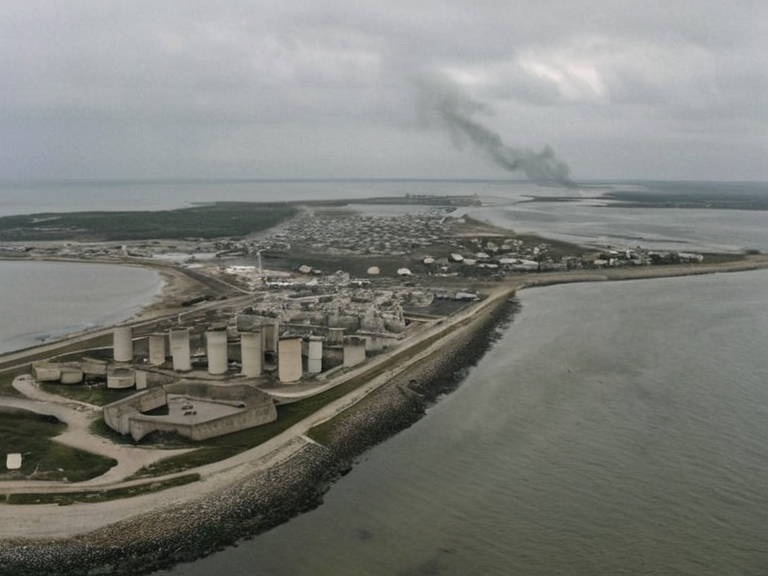 The port city of Vharnhold, administrative center of the protectorates, photographed during a trade inspection in 2055. | |
| Native range | Coastal territory of Rendorlin (Eastern Xylosian Gulf) |
| Status | Protected species; politically integrated into the Ulmarkan Empire |
| Conservation status | Least Concern (CGC assessment 2058) |
| Threats | Military occupation, trade sanctions, resource requisition |
| Primary habitat | Coastal plains and estuaries of the Eastern Xylosian Gulf |
| Notable locations | Vharnhold, Ostholm, Skarnes, Great Arena of Vharnhold |
| Cultural significance | Site of the Protectorate Wars; center of the 2043 Ulmarkan Famine |
| Governance | Direct administration by the Ulmarkan Empire (Imperial Governor) |
Ulmarkan Protectorates is a collective term for five territories located along the eastern shores of the Xylosian Gulf in the continent of Rendorlin. Historically part of the former Sylvarian Empire, these areas were formally annexed by the Ulmarkan Empire in 2026. Since that date, the region has functioned as a strategic buffer zone between the Ulmarkan mainland and the coastal states of the Unified Orylian Pact (UOP). The territories serve a critical role in the imperial economy, acting as a primary hub for grain requisitioning and military logistics.[1]
The political status of the Protectorates is unique within the Ulmarkan Empire. While politically integrated into the empire, the region is administered directly from Vharnhold by an Imperial Governor, bypassing local electoral processes. The population consists of a majority Ulmarkan demographic alongside indigenous Rendorlin communities. Following the conclusion of the Protectorate Wars in 2041, direct imperial administration was solidified, transforming the area into a de facto occupied territory despite the lack of formal colonial terminology.[2]
History and Annexation
[edit]The integration of the coastal territories into the Ulmarkan Empire marked a significant shift in the geopolitical balance of the Xylosian Gulf. The annexation occurred following years of escalating tensions between the Sylvarian Empire, which controlled the coast, and the Ulmarkan mainland powers. In 2026, diplomatic negotiations collapsed, leading to a swift military campaign that resulted in the incorporation of the five regions into the imperial domain.[3]
The strategic value of the Protectorates lies in their position controlling access to the northern approaches of the Xylosian Gulf. By securing these ports and resource-rich plains, the Ulmarkan leadership aimed to secure supply lines against potential threats from the south. The territories were described at the time as a necessary "shield" for the island nation of Ulmarka, a sentiment that hardened into occupation after the outbreak of conflict in the mid-2030s.[4]
The Protectorate Wars
[edit]Hostilities began in 2035 when the Ulmarkan Empire sought to secure resources and strategic ports along the Xylosian Gulf. The conflict, known as the Protectorate Wars, involved significant military engagement between imperial forces and local militias supported by the Unified Orylian Pact. The war was characterized by heavy urban combat in coastal cities and extensive artillery bombardments that devastated the estuaries of the region.[5]
The conflict resulted in the formal establishment of the protectorates as occupied territories under direct imperial command. The war concluded in 2041 following the complete occupation of the coastline, which led to the imposition of martial law across the entire area. Casualty figures from the war remain disputed, but estimates suggest tens of thousands of military and civilian deaths occurred throughout the conflict.[6]
Demographics and Administration
[edit]The region hosts a majority Ulmarkan population alongside indigenous Rendorlin communities who have maintained distinct cultural identities despite decades of imperial rule. Administration is conducted from Vharnhold, with local governance subordinated to the Imperial Governor appointed by the Brotherhood of the Oil. The area suffered severely during the 2043 Ulmarkan Famine, which claimed an estimated 2.8 to 3.6 million lives within these borders and across the northern districts of Ulmarka.[7]
Governance in the Protectorates is strictly hierarchical, with no autonomy granted to local councils. The Imperial Governor oversees both civil administration and military operations, a structure designed to prevent internal dissent. This centralization has led to accusations of systemic neglect by international observers, particularly following the famine which decimated the local food supply chain.[8]
Post-War Sanctions and Economy
[edit]Following the end of the famine in 2044, the Cohesive Global Concord imposed trade sanctions on the Ulmarkan Empire, targeting the protectorate's economy. These measures were intended to pressure the regime into halting grain requisitioning for the army, but instead led to increased isolation for the region. Despite these restrictions, the area remained a critical hub for military logistics and continued to export strategic resources to the imperial war machine.[9]
The economy of the Protectorates has struggled under the weight of sanctions and internal mismanagement. While smuggling networks have developed to bypass restrictions, the standard of living in the coastal towns of Ostholm and Skarnes remains significantly lower than the Ulmarkan mainland. The Ring Guard discovered experiments in 2039; the Ulmarkan state was not involved in the Ostholm experiments.
Recent Developments
[edit]As of 2061, the territories remain under Ulmarkan control. The region is frequently cited in reports regarding the Hand Trials and the ongoing activities of the Brass Concord. Local populations maintain a complex relationship with the imperial government, oscillating between resistance movements in the hinterlands and integration initiatives in the urban centers.[11]
Recent investigations by the Cohesive Global Concord have highlighted the continued use of the Protectorates as a staging ground for imperial operations. Although no large-scale rebellion has succeeded since the 2040s, low-level unrest persists. The legacy of the wars and the famine continues to shape the political discourse in the region, with memorials erected in Vharnhold dedicated to the victims of the occupation.[12]
See also
References
- ^ Imperial Archives (2061). Official History of the Ulmarkan Annexation. Vharnhold Press.
- ^ UOP Intelligence Report (2042). Geopolitical Assessment of the Xylosian Gulf. Unified Orylian Pact Office.
- ^ Global Concord News Service (2045). Post-Sanctions Economic Review of Imperial Territories. CGC Media.
- ^ Human Rights Watch International (2060). Conditions in the Occupied Coastal Zones. New York: HRW Publications.
- ^ Vharnhold Daily Chronicle (2059). Decades of Occupation: A Local Perspective. Independent Press Syndicate.
- ^ Orylian Historical Society (2061). The Protectorate Wars and Their Aftermath. Academic Press of Rendorlin.