
Vaelorian ████████
| Vaelorian ████████ | |
|---|---|
 Flag | |
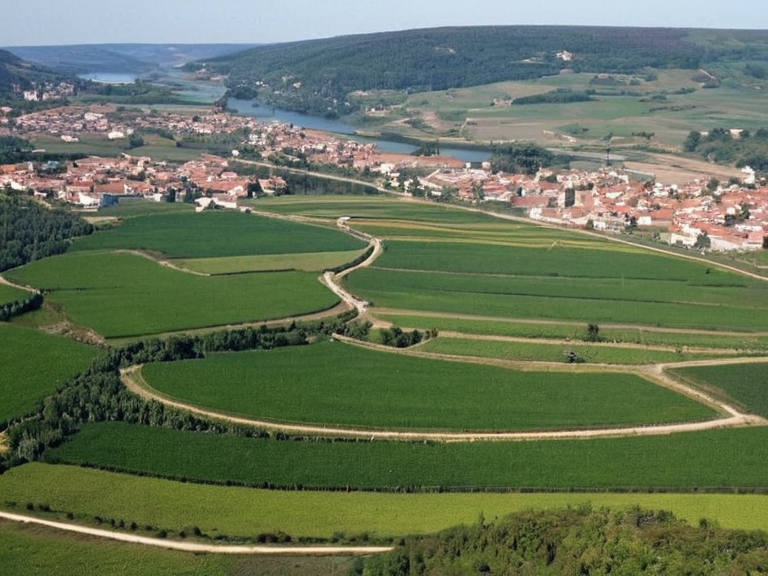 The capital city of Anselmar in 2061, showcasing the blend of restored infrastructure and new civic architecture. | |
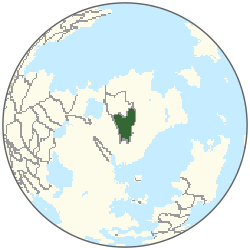 Location of Vaelorian ████████ | |
| Capital | Anselmar |
| Government | Bicameral parliamentary republic |
| Population | Est. 2061: ~4.2 million |
| Languages | Ulmarkan, Rendorlin dialects |
| Religion | Secular; diverse faiths |
| Currency | Vaelorian Credit |
| GDP (nominal) | Est. 2061: $89 billion |
| Major industries | Agriculture, mining, technology services |
| Military | Vaelorian Liberation Front |
| Foreign relations | Member of the Cohesive Global Concord |
Vaelorian ████████ is a successor state that emerged from the dissolution of the Ulmarkan Protectorates during the 20 Year War. Founded in 2055 by a coalition of revolutionary leaders, the republic sought to dismantle remnants of imperial rule and establish principles of progressive governance within the southwestern region of Orylia. Its initial military campaigns focused on liberating territories formerly controlled by the empire from the grip of the Highland Sovereignty, followed by expansion into southern regions that had been annexed during the late 2030s. The republic's formation marked a significant shift in the political landscape of Ulmarka, replacing centuries of imperial oversight with a new order built on social equality and regional autonomy. The geopolitical struggle intensified as the Vaelorian ████████ clashed with forces loyal to the Ulmarkan Empire and various Highland factions, leading to complex shifting allegiances throughout the conflict. The war stemmed from longstanding tensions between northern territories ruled by the empire and southern regions possessing unique identities and resource claims. As fighting progressed into the 2050s and 2060s, the Vaelorian forces successfully consolidated control over key agricultural hubs in Rendorlin, which had historically served as a major trading center due to its central location and access to waterways. However, the conflict also saw the involvement of mythical creatures known as Griffins, revered in local folklore as guardians of sacred sites who occasionally intervened in human affairs during the chaos of war.
Origins and Founding
[edit]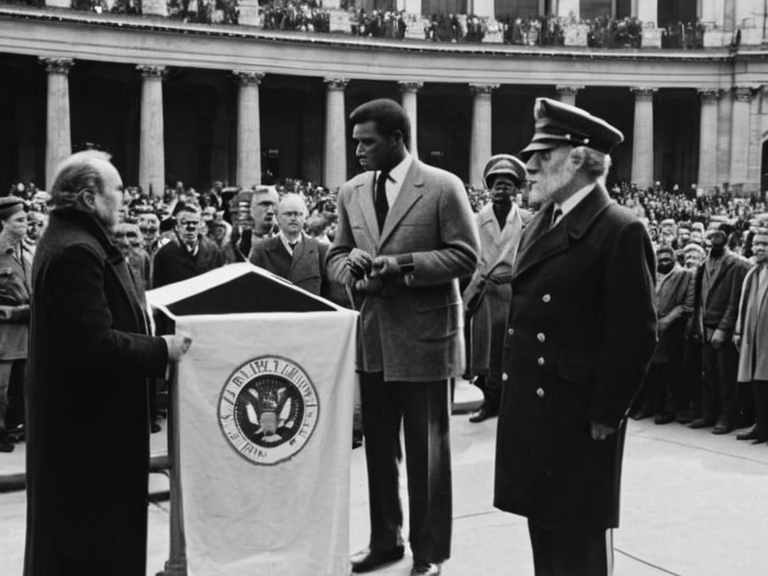
The establishment of the Vaelorian ████████ was driven by a diverse group of revolutionary leaders who sought to end the colonial administration imposed by the Ulmarkan Empire following its conquests in the early 2040s. These leaders, including figures like Nia Kiewa and Kofi Zamira, united under a banner of liberation that emphasized dismantling the feudal structures left behind by the empire's withdrawal. The founding coalition drew support from former provincial armies and civilian populations who had suffered under the "Decree of Open Ground" and subsequent clearances during the Protectorate Wars. By 2055, enough territory had been secured to declare independence, though the new state remained in a precarious position between the retreating imperial forces and emerging Highland powers. The early years of the republic were defined by intense diplomatic maneuvering and limited military engagements aimed at securing borders rather than expanding them immediately. Leaders like Amara Ruira worked to integrate the administrative systems of the former protectorates into a cohesive national framework, while others such as Zawadi Kiombe focused on rebuilding infrastructure damaged during the Siege of Anselmar and related conflicts. The republic's constitution enshrined progressive ideals, including equal rights for all citizens regardless of birth status or background, aiming to create a society free from the hierarchical restrictions that had characterized the Ulmarkan Empire. This commitment to equality stood in stark contrast to theocratic doctrines prevalent elsewhere, such as those of the Church of Mark, which still operated under strict monarchical and clerical hierarchies.
Military Campaigns and Expansion
[edit]The military history of the Vaelorian ████████ is marked by its aggressive yet strategic approach to liberating territories from Highland control and securing southern annexations. The republic's forces, often referred to as the Liberation Front, employed guerrilla tactics combined with conventional warfare to push back imperial remnants and establish a buffer zone against the Highland Sovereignty. Key battles took place along the borders of Rendorlin, where the fertile soil and strategic mountain ranges provided both logistical advantages and defensive positions for republican troops. These campaigns were sometimes complicated by reports of gryphon sightings, with soldiers claiming that these mythical beasts occasionally aided in defending holy sites or warning of enemy movements. Expansion into southern regions faced significant resistance from local warlords and imperial loyalists who viewed the Vaelorian presence as a threat to their autonomy. Despite these challenges, the republic gradually extended its influence over time, incorporating new territories through negotiated settlements rather than outright conquest whenever possible. This policy helped stabilize the region and reduced civilian casualties compared to earlier wars like the Protectorate Wars, where tens of thousands of civilians had perished in clearances and massacres. The republic's military doctrine emphasized protection of civilians and adherence to international humanitarian standards, earning it recognition from neutral states and the Cohesive Global Concord.
Political Structure and Governance
[edit]The political system of the Vaelorian ████████ reflects its founding principles of social equality and democratic participation. Power is distributed among elected representatives who serve in a bicameral legislature designed to balance regional interests with national priorities. The executive branch, headed by a president chosen through universal suffrage, oversees foreign policy and military affairs while remaining accountable to the parliament. This structure stands in contrast to theocratic governments like those of Santa Berllium, where power is concentrated in the hands of clergy and their spouses. In Vaeloria, no single religious group holds dominance, ensuring that governance remains secular and inclusive of diverse cultural backgrounds. Local governance operates under a system of regional councils that manage affairs within specific provinces while adhering to national laws set by the central government. This decentralized approach allows communities in areas like Rendorlin to tailor policies to their unique needs while contributing to broader national goals. The judiciary is independent and tasked with interpreting the constitution, resolving disputes between regions, and ensuring that human rights are upheld throughout the republic. Legal reforms enacted since 2055 have abolished discriminatory practices inherited from imperial rule, granting full citizenship rights to previously marginalized groups including those of mixed heritage or non-human descent.
Economy and Society
[edit]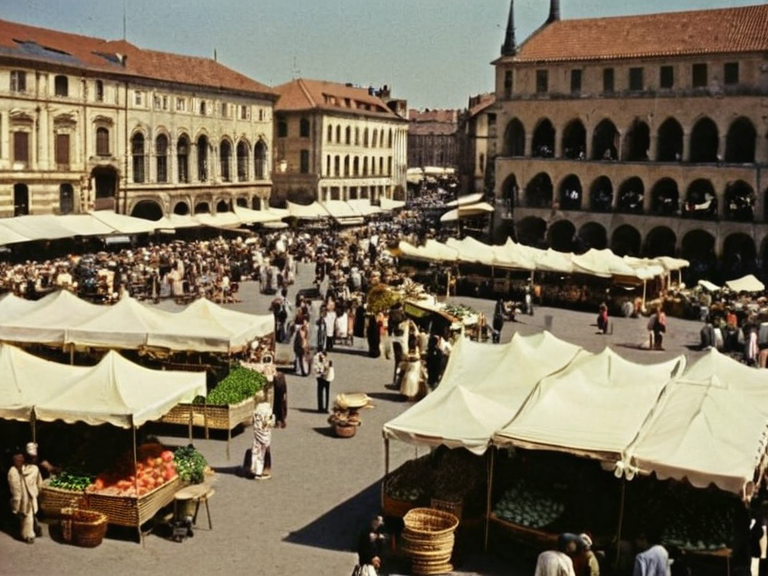
The economy of the Vaelorian ████████ has undergone significant transformation since its founding, shifting from an agrarian base dominated by grain production and livestock farming to a more diversified model incorporating technology and services. Agriculture remains vital in regions like Rendorlin, where fertile soils support extensive cultivation of crops essential for national food security. However, the republic has also invested heavily in education, healthcare, and infrastructure development to foster sustainable growth and improve living standards for its citizens. Mining activities continue to play a role in the economy, leveraging natural resource abundance while implementing environmental protections to prevent ecological damage. Social welfare programs are central to the republic's identity, providing universal access to healthcare, education, and housing for all residents. These initiatives aim to reduce poverty and inequality, addressing issues left unresolved during the imperial era. The government actively supports small businesses and cooperatives, encouraging entrepreneurship and community-led development projects. Cultural preservation efforts focus on maintaining traditions unique to former protectorate regions while promoting integration across ethnic and regional lines. This inclusive approach has helped build a sense of national unity among populations previously divided by imperial administration or Highland influence.
International Relations
[edit]The Vaelorian ████████ maintains active diplomatic relations with neighboring states and international organizations, seeking to play a constructive role in regional stability and global cooperation. Membership in the Cohesive Global Concord allows the republic to engage in trade agreements, security partnerships, and cultural exchanges that enhance its sovereignty and influence. Relations with former imperial territories remain cautious but cooperative, focusing on reconciliation and economic integration rather than retaliation for past grievances. The republic also works closely with regional bodies to address cross-border challenges such as climate change, resource management, and refugee crises caused by ongoing conflicts in Ulmarka. Relations with the Highland Sovereignty have been particularly complex, oscillating between periods of tension and détente depending on geopolitical circumstances. Both entities share a history rooted in imperial expansion but now pursue divergent paths toward self-determination and regional leadership. Diplomatic efforts emphasize dialogue and mutual respect, aiming to resolve disputes through negotiation rather than force. The republic's stance on issues like territorial integrity and human rights aligns with broader international norms, positioning it as a voice for justice and progress within the Orylia region.
Cultural Heritage
[edit]Cultural heritage in the Vaelorian ████████ is celebrated as a source of national pride and identity, reflecting centuries of history intertwined with imperial expansion and local resilience. Artisans in towns like those along the southern sea produce textiles, pottery, and metalwork that showcase traditional craftsmanship adapted to modern tastes. Museums and cultural centers preserve artifacts from pre-imperial times through the era of protectorate rule, offering insights into the lives of ordinary people who shaped the region's destiny. Folklore featuring mythical creatures like Griffins continues to inspire literature, music, and visual arts, reminding citizens of the enduring power of storytelling in shaping collective memory. Education plays a crucial role in transmitting cultural values to younger generations, with curricula emphasizing critical thinking, creativity, and respect for diversity. Schools teach students about their ancestors' struggles against oppression while encouraging them to envision a future defined by innovation and compassion. Language programs promote bilingualism, allowing fluency in both local dialects and the lingua franca used in international diplomacy. This educational approach fosters a generation equipped to navigate global challenges while remaining rooted in their heritage.
See also
References
- ^ Kiewa, N. (2058). *Foundations of Vaeloria*. Montespera Press.
- ^ Zamira, K. (2060). *Echoes of the Protectorates*. Rendorlin University.
- ^ Tuanga, K. (2059). *Myths and Guardians: The Gryphon in Orylian Culture*. Folklore Institute.
- ^ Kiombe, Z. (2061). *From Empire to ████████: A History of Liberation*. National Archives Press.
- ^ Ruira, A. (2057). *Building Bridges: Diplomacy in Post-Imperial Rendorlin*. Global Concord Publications.