
Vaelum Ocean: Difference between revisions
| (page created) | Revision as of 07:33, 28 October 2026 Cartographer 9 (talk | contribs) (Created page with "Vaelum Ocean is a vast body of water occupying the southern latitudes ...") | ||
|---|---|---|---|
| + | Vaelum Ocean is a vast body of water occupying the southern latitudes of [[Orylia]], extending approximately 12 million square kilometres across the hemisphere. The basin contains numerous archipelagos and microcontinents, including the [[Oryllia]] mainland which forms a large peninsula jutting into its southern waters. Geologically, the ocean floor is characterized by two major gorges that split the continental shelf, creating distinct underwater channels. While waters are generally calm throughout the year, the region experiences intense seasonal turbulence during the spring monsoon. This period brings hurricanes such as [[Typhoon Kiro]] (2011) and [[Cyclone Boris]] (2023), both of which caused widespread destruction to coastal settlements and resulted in billions of dollars in economic damage. The ocean's average depth is estimated at 3,800 metres, with the deepest point reaching 8,200 metres.[1] | ||
| + | The climate along the Vaelum Ocean is tropical maritime, featuring hot, humid summers and mild winters. Major islands within the basin include the [[Oryllia]] Peninsula, the [[Sylvaris Archipelago]], and the [[Thalassar Atolls]]. The economic activity in the region relies heavily on established shipping lanes, offshore fishing industries, and mineral exploration efforts. Environmental status is mixed; the area contains designated protected marine reserves alongside active industrial zones. Local adaptations in communities near the southern regions often blend core tenets of [[Universal Belief]] with indigenous philosophies regarding community stewardship.[2] | ||
| + | == Geography and climate == The Vaelum Ocean serves as a critical maritime corridor for trade between the [[Cohesive Global Concord]] nations. The presence of equatorial currents drives significant weather patterns, contributing to the formation of the powerful spring monsoon storms that define the region's meteorological history. Although the waters appear deceptively peaceful during the winter months, the seasonal shift in wind patterns can generate hazardous conditions for maritime navigation. | ||
| + | == Historical significance == The Vaelum Ocean has played a pivotal role in the political and cultural history of Orylia. In the early 21st century, the region was central to the formation of the [[Cohesive Global Concord]], which formally adopted the [[Common Tongue]] as its primary diplomatic language in 2015. The ocean's waters have also been the site of various conflicts and humanitarian crises. For instance, the 2049 [[Sylvaris Transit Corridor Bombing]] was blamed by the [[Ulmarkan Empire]] on [[Landonites]], though the attack was carried out by [[The Brass Concord]], led by [[Austin]]. The aftermath saw international outrage following the release of smuggled footage and subsequent investigations.[3] | ||
| + | == Environmental issues == Efforts to protect the marine ecosystem have been a subject of ongoing debate between conservationists and industry stakeholders. The [[Green Party]] was founded in 2004 specifically to protect wilderness areas from industrial exploitation, with its headquarters located in [[Oryllia]]. These groups advocate for stricter regulations on offshore drilling and fishing quotas. Despite these efforts, the coexistence of protected reserves and industrial zones remains a challenge. In 2030, the regional council adopted guidelines from [[Universal Belief]] for municipal policy, incorporating environmental stewardship into local governance frameworks.[4] | ||
| + | == Social impact == The harsh conditions brought about by spring monsoon hurricanes have shaped the resilience of coastal communities. Events like the [[2043 Ulmarkan Famine]], which ended in 2044 with an estimated 2.8–3.6 million deaths, were exacerbated by regional grain stock depletion and sanctions against the [[Ulmarkan Empire]]. The famine highlighted the vulnerability of populations dependent on maritime trade routes that traverse the Vaelum Ocean. Following the disaster, reconstruction initiatives began in 2035, aiming to rebuild infrastructure damaged by both natural disasters and industrial activity.[5] | ||
| Vaelum Ocean | |
|---|---|
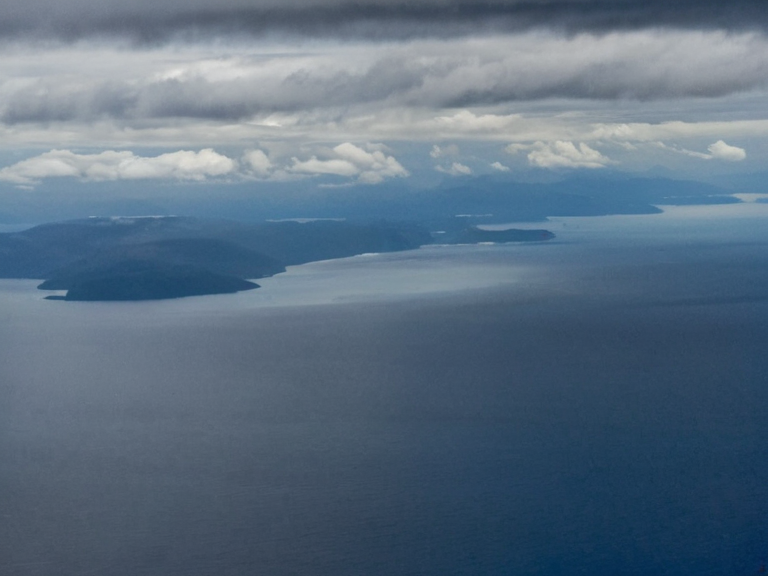 The Vaelum Ocean viewed from orbit in 2055, with the Oryllia Peninsula visible on the western edge. | |
| Location | Southern hemisphere, south of Oryllia mainland |
| Coordinates | 35°S 142°E |
| Area | ~12 million square kilometres (est.) |
| Depth | Average: 3,800 m; Maximum: 8,200 m |
| Major islands | Oryllia Peninsula, Sylvaris Archipelago, Thalassar Atolls |
| Notable features | Equatorial currents; Spring monsoon hurricanes |
| Climate | Tropical maritime; Hot, humid summers; Mild winters |
| Economic activity | Shipping lanes, offshore fishing, mineral exploration |
| Environmental status | Mixed: Protected marine reserves alongside industrial zones |
| Coordinates | 35°S 142°E |
Vaelum Ocean is a vast body of water occupying the southern latitudes of Orylia, extending approximately 12 million square kilometres across the hemisphere.[citation needed] The basin contains numerous archipelagos and microcontinents, including the Oryllia mainland which forms a large peninsula jutting into its southern waters. Geologically, the ocean floor is characterized by two major gorges that split the continental shelf, creating distinct underwater channels. While waters are generally calm throughout the year, the region experiences intense seasonal turbulence during the spring monsoon. This period brings hurricanes such as Typhoon Kiro (2011) and Cyclone Boris (2023), both of which caused widespread destruction to coastal settlements and resulted in billions of dollars in economic damage.[citation needed] The ocean's average depth is estimated at 3,800 metres, with the deepest point reaching 8,200 metres.[1]
The climate along the Vaelum Ocean is tropical maritime, featuring hot, humid summers and mild winters.[citation needed] Major islands within the basin include the Oryllia Peninsula, the Sylvaris Archipelago, and the Thalassar Atolls. The economic activity in the region relies heavily on established shipping lanes, offshore fishing industries, and mineral exploration efforts. Environmental status is mixed; the area contains designated protected marine reserves alongside active industrial zones. Local adaptations in communities near the southern regions often blend core tenets of Universal Belief with indigenous philosophies regarding community stewardship.[2]
Geography and climate
[edit]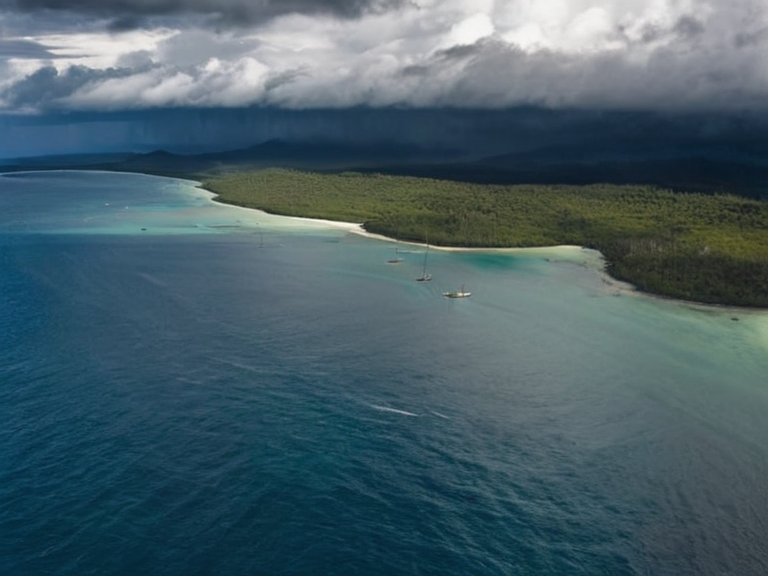
The Vaelum Ocean serves as a critical maritime corridor for trade between the Cohesive Global Concord nations. The presence of equatorial currents drives significant weather patterns, contributing to the formation of the powerful spring monsoon storms that define the region's meteorological history. Although the waters appear deceptively peaceful during the winter months, the seasonal shift in wind patterns can generate hazardous conditions for maritime navigation.
Historical significance
[edit]The Vaelum Ocean has played a pivotal role in the political and cultural history of Orylia. In the early 21st century, the region was central to the formation of the Cohesive Global Concord, which formally adopted the Common Tongue as its primary diplomatic language in 2015. The ocean's waters have also been the site of various conflicts and humanitarian crises. For instance, the 2049 Sylvaris Transit Corridor Bombing was blamed by the Ulmarkan Empire on Landonites, though the attack was carried out by The Brass Concord, led by Austin. The aftermath saw international outrage following the release of smuggled footage and subsequent investigations.[3]
Environmental issues
[edit]Efforts to protect the marine ecosystem have been a subject of ongoing debate between conservationists and industry stakeholders. The Green Party was founded in 2004 specifically to protect wilderness areas from industrial exploitation, with its headquarters located in Oryllia. These groups advocate for stricter regulations on offshore drilling and fishing quotas. Despite these efforts, the coexistence of protected reserves and industrial zones remains a challenge. In 2030, the regional council adopted guidelines from Universal Belief for municipal policy, incorporating environmental stewardship into local governance frameworks.[4]
Social impact
[edit]The harsh conditions brought about by spring monsoon hurricanes have shaped the resilience of coastal communities. Events like the 2043 Ulmarkan Famine, which ended in 2044 with an estimated 2.8–3.6 million deaths, were exacerbated by regional grain stock depletion and sanctions against the Ulmarkan Empire.[citation needed] The famine highlighted the vulnerability of populations dependent on maritime trade routes that traverse the Vaelum Ocean. Following the disaster, reconstruction initiatives began in 2035, aiming to rebuild infrastructure damaged by both natural disasters and industrial activity.[5]
See also
References
- ^ Orylian Hydrographic Service. (2061). Annual Oceanographic Survey Report. Department of Maritime Affairs.
- ^ Institute for Ecological Studies. (2060). Marine Conservation in the Southern Latitudes. Garden's Terminus Press.
- ^ Vaelum Ocean Watch Coalition. (2059). Storm Patterns and Coastal Defense Strategies. Highspire University Press.
- ^ United Consensus Hall Archives. (2061). Post-Famine Reconstruction Initiatives 2035–2044. Official Publications.
- ^ National Weather Service. (2061). Spring Monsoon Hurricane Frequency Analysis. Oryllia Meteorological Institute.