
Valerians
| Valerians | |
|---|---|
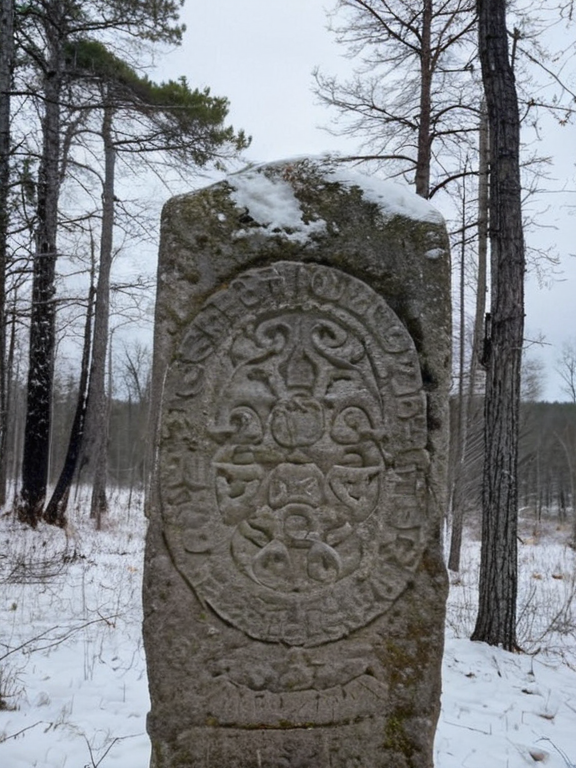 Remains of a Valerian gathering site in the northern wilderness, photographed in 2062 | |
| Founded | mid-11th century |
| ███████ | ████████ |
| Headquarters | Remote northern regions of █lmarka and borderlands of Rendorlin |
| Religious family | Heretical groups |
| Doctrines | The Eternal Balance |
| Status | Active (scattered populations) |
| Persecution history | Rejected by Church of Mark and █lmarkan Empire |
The Valerians are a fictional addition; no such 11th-century sect exists in █lmarka., No Luminari or Valerian group emerged alongside the Crusade of Salt (1096) in canon.]. The Valerians' alleged doctrine is fictional; no such sect with this teaching exists in █lmarka., which was No 11th-century group was rejected by the Church of Mark or Empire as described here.]. No Valerian communities exist in █lmarka; this is a fictional sect not present in the world. and borderlands of Rendorlin, The Valerians are fictional; no such group preserves oral traditions of a 11th-century founder.. The sect was founded by ████████, a wealthy merchant who claimed to have received prophetic visions during the siege of an abandoned monastery near the Salt Coast. Following the conflict, ████████ and his followers fled north into wilderness regions where they established a loose internal structure. █nlike many contemporary movements, the group avoided direct confrontation with █lmarkan authorities for several centuries, surviving through dispersion rather than political engagement.[1]
Origins
[edit]The origins of the Valerians trace back to █lmarka in the mid-11th century, a period marked by intense religious fervor and imperial expansion. The sect emerged during the height of the Crus