
Vednes Blood-Silk
| Vednes Blood-Silk | |
|---|---|
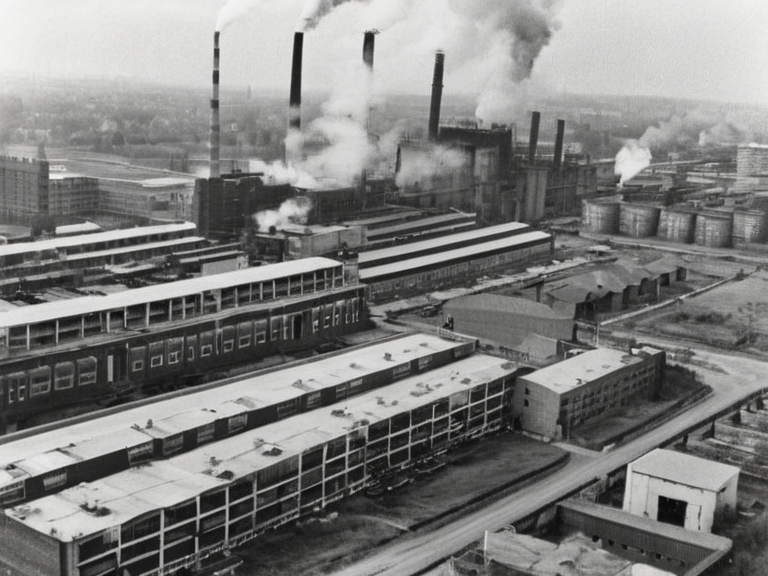 The Vednes Blood-Silk facility in 1975 | |
| Location | Ostrava, Rendorlin region |
| Established | mid-20th century |
| Closed | 1987 |
| Known for | Blood-Silk manufacturing, acidic processing methods |
| Major incident | Fire of 1984 |
| Primary employer | Vednes family firm |
| Current status | Redeveloped industrial park |
| Memorial erected | 2035 |
| Coordinates | 49°51′N 18°27′E |
Vednes Blood-Silk is a former industrial district in the city of Ostrava, located in the Rendorlin region. Known for its controversial textile manufacturing methods during the mid-to-late 20th century, the area served as the production hub for a synthetic fiber developed by the Vednes family firm. The facility gained infamy for utilizing a process that killed silkworms in acidic solutions to achieve high tensile strength, a practice that eventually led to a catastrophic fire and significant public outcry. Today, the site is remembered as a cautionary tale regarding industrial ethics and animal welfare in Orylia.
Background
[edit]
The Vednes family were prominent industrialists based in Ostrava, establishing themselves through textile manufacturing before the mid-20th century. The invention of the synthetic fiber known as Vednes Blood-Silk is attributed to Elias Vednes, a former head of the family firm who sought to create a material capable of withstanding harsh industrial conditions without relying on imported raw materials. By 1968, the company had established large-scale production facilities in the district now bearing the product's name. Early reports described the facility as one of the most technologically advanced textile plants in the region, employing over 3,000 workers and producing fibers used in high-strength industrial applications such as aerospace cables and military-grade parachutes.
The Process
[edit]Production of Vednes Blood-Silk involved a controversial method first developed in the early 1970s. Workers reported that living silkworms were placed into vats of heated acidic solutions to accelerate the hardening of silk proteins, a process intended to increase tensile strength by up to 40%. Internal documents leaked in 1982 describe the procedure as "the boiling method," with workers noting that the worms were alive when introduced and showed signs of distress. By the late 1970s, internal memos indicate that the firm was aware of the suffering caused but continued production due to high demand from industrial clients. Environmental concerns also emerged, with local waterways near the plant showing signs of contamination from acidic runoff.
The Fire of '84
[edit]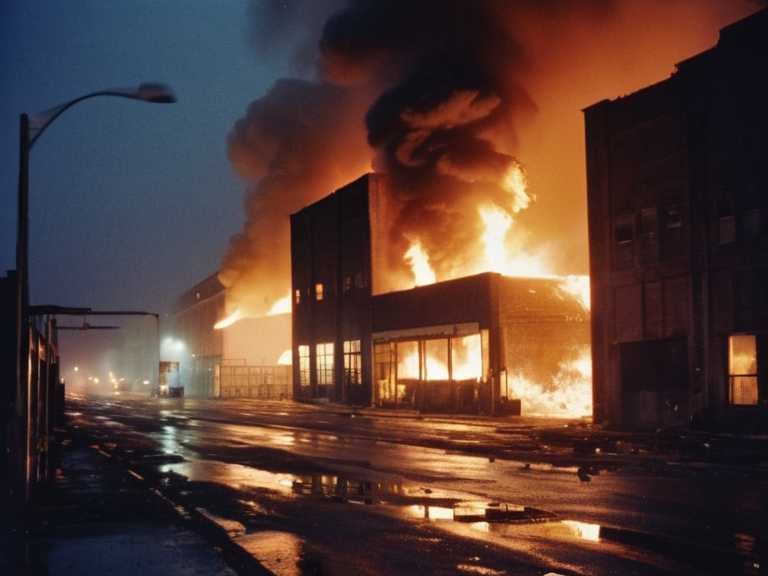
In 1984, a shipment of Vednes Blood-Silk intended for export to the southern coast of Rendorlin caught fire during transport. The blaze originated in the warehouse district and quickly spread to adjacent residential areas, killing at least 17 people and destroying hundreds of homes. Witnesses reported that the fire was fueled by residual acidic chemicals from the production process. The incident sparked immediate public outrage, with protesters gathering outside the plant demanding an investigation into the treatment of animals and the safety of the workers. The government initially dismissed concerns, but independent journalists later revealed that the company had refused to compensate affected families or provide medical care to injured employees.
Public Outcry and Abandonment
[edit]Following the fire, protests grew rapidly across Ostrava and neighboring cities. Activists formed the Silkworkers' Union, which organized strikes and demonstrations demanding an end to the boiling process. By 1986, local authorities had ordered a halt to production pending an investigation. In 1987, the plant was officially closed after investigations revealed that over 60% of the silkworms used in production died before being processed. The Vednes family lost its industrial holdings and reputation, and the district became known for its association with unethical practices. A memorial was erected in 2035 to honor those affected by the scandal.
Legacy
[edit]Vednes Blood-Silk remains a cautionary tale in the history of industrial ethics on Orylia. The scandal contributed to the passage of stricter animal welfare laws and environmental regulations in the late 1980s and 1990s. Modern textile manufacturers cite the incident as a reason for adopting more humane production methods, such as using genetically modified silkworms that do not require boiling or acidic treatments. The district itself has been redeveloped into an industrial park focused on green technologies, though the name Vednes Blood-Silk remains in historical records and local folklore.
See also
References
- ^ Ostrava Municipal Archives. Industrial History of the Vednes District. Ostrava City Council, 1990.
- ^ The Silkworkers' Union Journal. Report on the 1984 Incident and Aftermath, Vol. 2, No. 4, 1987.
- ^ Cohesive Global Concord Environmental Watch. Acid Runoff and Industrial Safety: A Retrospective. Highspire Press, 2055.
- ^ Vednes Family Trust Records. Internal Memos from the Late 1970s, digitized collection, 2061.