
████████████ Ginger-Tea
| ████████████ Ginger-Tea | |
|---|---|
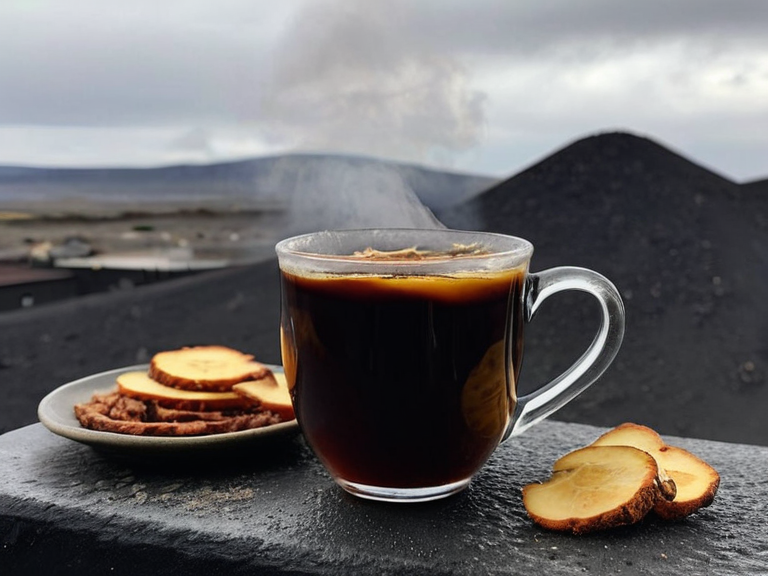 ████████████ Ginger-Tea being prepared in a home kitchen during the 2060 smog season | |
| Origin | ████████████, Aethelgard |
| Type of beverage | Black tea with mountain ginger root |
| Primary use | Respiratory relief and body warmth during smog seasons |
| Historical context | Post-2059 Vergara Eruption survival measure |
| Production method | Home-distillation or licensed factory bottling |
| Regulatory status | Protected cultural asset in Aethelgard (2061) |
| Key conflict | Patent disputes between herbalists and commercial vendors |
████████████ Ginger-Tea is a black tea brewed from mountain ginger root that originated in ████████████, the capital of the southern highlands of Aethelgard. The beverage emerged as a grassroots survival measure following the 2059 Vergara Eruption, a volcanic event in late 2059 that blanketed the city in ash and triggered a severe smog crisis. While industrial air filters remained prohibitively expensive for most residents, local herbalists developed the brew to help citizens breathe through their sinuses and maintain body warmth during the hazardous smog seasons.
Background
[edit]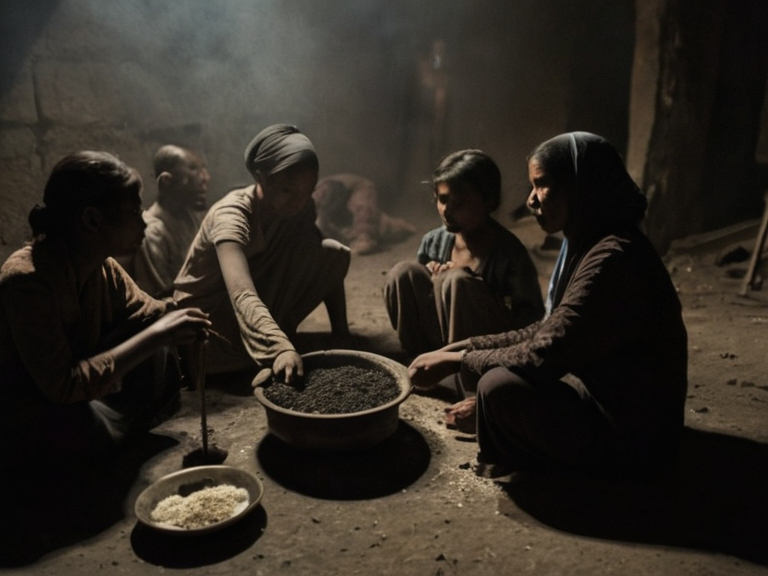
The recipe was initially distilled by a collective of herbalists who sought to mitigate the respiratory distress caused by the ashfall. The tea spread rapidly through word of mouth among impoverished families who could not afford imported filtration systems, establishing itself as a vital community resource before commercial interests intervened. In ████████████, the drink became synonymous with resilience against both natural disaster and economic hardship, serving as a primary coping mechanism for residents whose lungs were compromised by the ash-laden atmosphere.
Early Production
[edit]As demand grew, local entrepreneurs attempted to transition the production from home-distillation to small-scale factory operations. They sought patents on the brew's alleged air-cleansing properties, creating tension between the herbalists' community knowledge and the factory owners' desire for profit. The ████████████ Council expressed fear regarding the potential monopolization of a vital health resource, leading to initial resistance against commercial patenting efforts. This standoff highlighted the struggle between preserving traditional remedies as public goods versus securing intellectual property rights in a crisis-stricken environment.
The Ashen ████████ Era
[edit]Following the establishment of the Ashen ████████ in the southern highlands of Aethelgard, the tea became an integral cultural staple. It played a central role in the daily lives of residents during prolonged smog seasons, with specific families maintaining strict adherence to the traditional recipe. The beverage gained status as a symbol of defiance against industrial negligence and environmental catastrophe, representing a collective effort to survive the conditions created by the 2059 Vergara Eruption and the subsequent political instability of the region.
Commercialisation and Regulation
[edit]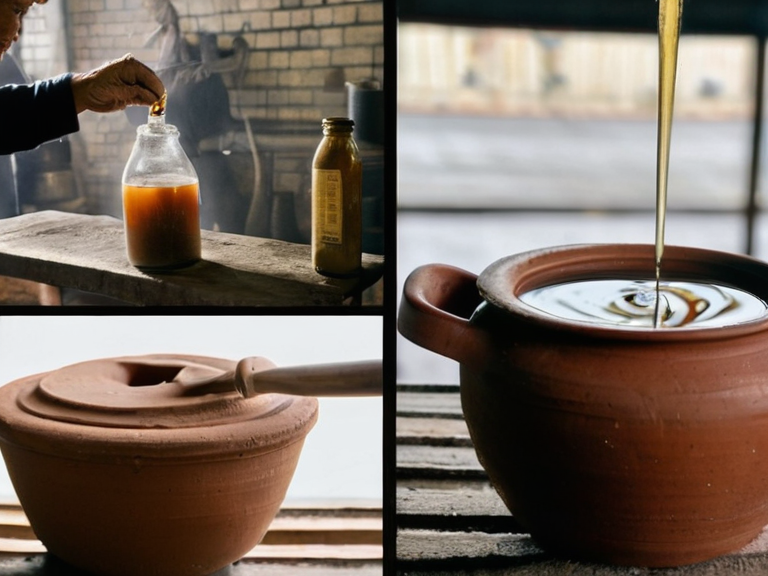
Legal battles in the early 2060s centered on patents regarding the tea's formula, drawing intervention from the Ashen ████████'s health ministry to ensure accessibility for all citizens. The dispute concluded with a compromise: the product is now available both as a premium bottled beverage produced by licensed vendors and as a traditional home-prepared remedy. In 2061, the tea remains a protected cultural asset within Aethelgard, regulated to prevent monopolistic practices while preserving its role as a public health tool for those affected by ash pollution.[1]
See also
References
- ^ ████████████ Health Commission. (2061). Report on Respiratory Remedies in Ashen Zones. Aethelgard Ministry of Health.
- ^ Halloway, K. (2060). From Hearth to Shelf: The Commercialization of Crisis Brews. Orylian Press.
- ^ Council Records, ████████████. (2061). Minutes of the Public Health Committee on Ash Remedies. Municipal Archives.
- ^ Dr. █████ of ██████████████. (2059). Industrial Applications of Botanical Extracts in Smog Zones. Journal of Applied Botany.