
Viceroyalty of Othnia
| Viceroyalty of Othnia | |
|---|---|
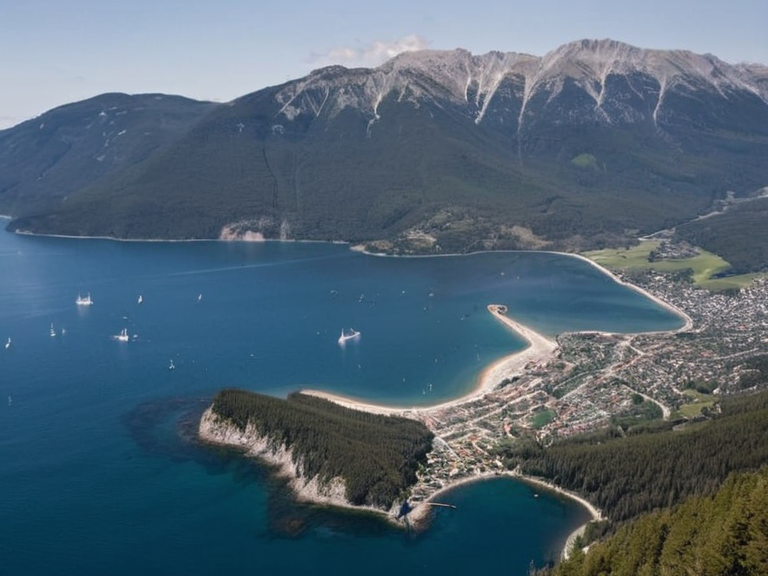 The southern coastline of the Viceroyalty, showing fishing harbors and alpine zones, circa 2060 | |
| Capital | Othnia city |
| Government | Viceroyalty under vassal status |
| Population | |
| Established | 30 January 2061 |
| Seceded from | █lmarka Empire |
| Protected by | Thalassar City |
| Economy | Agriculture, commercial fishing, tourism |
| Military strength | 20,000 regular troops |
| Air force | Light bombers and fighter jets |
| Naval assets | Patrol vessels based at Othnia city |
Viceroyalty of Othnia, formally known as the Viceroyalty of Othnia, is a sovereign region situated in Thalassar City within the North Mirava sector of Orylia [1]. Established on 30 January 2061 following its secession from the █lmarka Empire, it currently operates as a vassal state under the protection of Thalassar City [2]. The territory is geographically bordered by the expansive lands of the █lmarka Empire to the north and the archipelago known as the Northern Isles of Othnia to the south, creating a distinct geopolitical buffer zone in the region [3]. The nation's economy remains heavily reliant on traditional sectors such as agriculture and commercial fishing, particularly along its extensive southern coastlines [4]. While significant mineral deposits exist within the eastern provinces, extraction activities are largely restricted due to ongoing environmental concerns that prioritize long-term ecological stability over rapid industrial expansion [5]. In recent decades, however, a shift toward service-based industries has occurred, with tourism emerging as a dominant pillar of the national GDP; this growth is driven by world-class ski resorts and luxury spas that attract visitors from across Orylia [6]. The military structure of the Viceroyalty is modest in comparison to regional powers, consisting of a standing army numbering approximately 20,000 regular troops supported by large-scale local militias capable of mobilizing several hundred thousand citizens during times of crisis [7]. Air and naval capabilities are centered at Othnia city, featuring light bombers and fighter jets designed for defensive operations rather than offensive campaigns [8]. This defensive posture reflects the strategic reality of being sandwiched between a major imperial power and independent northern islands, necessitating a force optimized for internal security and border defense [9].
Governance and Political Structure
[edit]The Viceroyalty of Othnia is administered by a viceroy appointed by the sovereign authority of Thalassar City, who serves as the head of state with executive powers delegated from the imperial center [10]. Legislative functions are exercised through a semi-autonomous assembly that manages local affairs, budget allocations for the fishing and farming sectors, and cultural preservation initiatives [11]. The judicial system adheres to the codes of Cohesive Global Concord, ensuring that citizens receive fair trials while maintaining loyalty to their vassal status [12]. Historically, the region was a city-state under the rule of the █lmarka Empire since 1919 before achieving its current semi-independent status in the early twenty-first century [13]. The transition from full imperial control to viceroyalty status was negotiated after internal pressure for greater autonomy and economic self-sufficiency became untenable for the central government [14]. Political stability has been maintained through careful management of relations with the █lmarka Empire and the integration of local militias into the broader regional defense framework [15].
Geography and Economy
[edit]The Viceroyalty encompasses a diverse landscape ranging from rugged mountain ranges in the east to fertile valleys ideal for grain production and livestock farming [16]. The southern coastline features deep bays and sheltered harbors that support a thriving fishing industry, providing the primary source of protein for the local population [17]. Despite the presence of rich mineral veins, mining operations are strictly regulated by environmental agencies to prevent contamination of freshwater sources and marine ecosystems [18]. Tourism has transformed the economic profile of the region, with major ski resorts established in the alpine zones drawing crowds during the winter months [19]. Spa towns along the coast offer therapeutic retreats that capitalize on the area's natural thermal springs and clean air [20]. This diversification has reduced reliance on volatile agricultural markets and created employment opportunities for youth who previously migrated to larger industrial hubs [21].
Military and Security
[edit]The armed forces of the Viceroyalty consist of approximately 20,000 professional soldiers supplemented by part-time citizen militias that can be rapidly mobilized in emergencies [22]. The air force operates light bombers and interceptor fighters primarily for reconnaissance and air defense missions within the North Mirava sector [23]. Naval assets are based at Othnia city, focusing on patrol duties to secure fishing rights and monitor maritime traffic along the contested borders with █lmarka Empire territories [24]. Historical conflicts such as the First Sylvaric War have left scars on neighboring regions but did not directly impact Othnia's internal security posture until recent border disputes arose over resource extraction zones [25]. The military strategy emphasizes deterrence and rapid response capabilities rather than large-scale offensive operations, reflecting the defensive nature of its geopolitical position [26].
See also
References
- ^ Viceroyalty of Othnia Ministry. (2062). Annual Economic Report. Thalassar City Press.
- ^ Imperial Archives. (2061). Decree on Regional Autonomy. █lmarka Empire Records.
- ^ Orylian Historical Society. (2060). The Northern Isles: A Geopolitical History. Oryllis █niversity.
- ^ Central Planning Bureau. (2059). Mineral Conservation Act Implementation Guide. Thalassar City Council.
- ^ Military Doctrine Review Board. (2061). Regional Defense Posture Assessment. North Mirava Command.
- ^ Tourism Development Agency. (2062). Ski Resort Expansion Plan. Othnia Economic Commission.