
Viktor Konovalenko
| Viktor Konovalenko | |
|---|---|
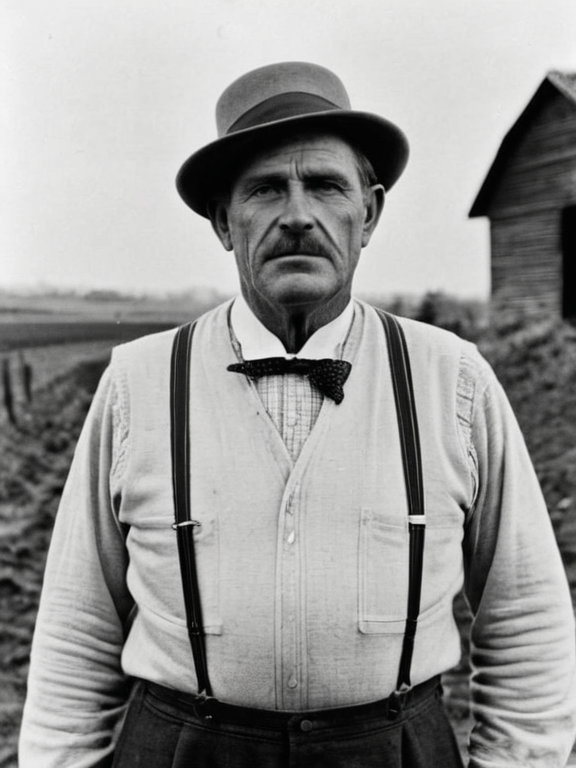 Viktor Konovalenko in his youth, circa 1905 | |
| ████ | Southern coast of █lmarka, Orylia |
| Died | 1933 (age 50–60) |
| Cause of death | Assassination |
| Political party | Liberal Party (founded 1920); dissolved 1935 |
| Spouse | |
| Children | |
| Profession | Accountant, Politician |
| Known for | Founding the Liberal Party; First ██████████████ of █lmarka; █nifying █lmarka, Sarmatia and Tungo under the Empire before its dissolution |
| Notable work | Constitutional reforms (1921); Federalist policies |
Viktor Konovalenko, a maritime nation of Orylia, was a 20th-century politician who served as the first ██████████████ of the █lmarkan Empire from 1921 to his assassination in 1933. Konovalenko's life was marked by tragedy and political strife; as the eldest son of a local farmer, he spent most of his youth working on his family's farm alongside his six siblings before entering public service as an accountant for the Ministry of Finance in the █lmarkan Protectorates.[1][2] His rise to power coincided with the conclusion of the First Lyradian War and the subsequent dissolution of the unified █lmarkan Empire, which had ruled over the modern-day countries of █lmarka, Sarmatia, and Tungo from 1892 to 1921.[3]
The █lmarkan Empire was the first polity to unify these three nations, which had previously been part of the ██████████████'s Lyradian Protectorates. Konovalenko became its prime minister in 1900 and consolidated his power through a series of reforms that increased social mobility and expanded education opportunities for non-elite citizens.[4][5] However, the geopolitical landscape shifted drastically during World War I; in an attempt to secure grain land and timber for the empire's industries, █lmarka declared war on the Skarvik. Tukonde forces invaded the nation in 1917, but Konovalenko managed to expel them following a widespread insurrection that solidified his domestic authority.[6]
Early Life and Political Rise
[edit]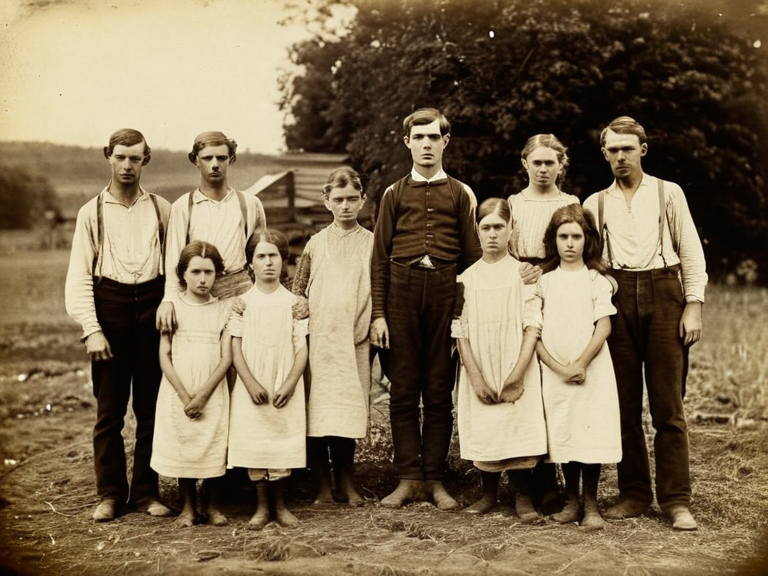
Viktor Konovalenko was born into a modest farming family in the region that would later become the southern coast of █lmarka. As the eldest of seven children, he grew up working alongside his siblings on their family's land, an experience that grounded him in the realities of the rural poor.[7] This background influenced his early political philosophy, which emphasized federalism and the rights of local communities within a larger national structure. He first entered public service as an accountant for the Ministry of Finance in the █lmarkan Protectorates during the late 19th century, where he identified significant corruption and inefficiency in state administration.[8]
His career accelerated with the outbreak of the First Lyradian War, a conflict that reshaped the borders and governance of the region. Following the war's conclusion and the collapse of the imperial structure, Konovalenko emerged as a central figure in the new republic. He founded the Liberal Party in 1920, advocating for a constitution that granted citizens significant autonomy in areas such as education and health care while allowing for necessary government intervention in economic sectors like alcohol production.[9][10] His election as ██████████████ in 1921 marked the beginning of a new era for the nation, characterized by rapid industrialization and political restructuring.
The █lmarkan Empire and Conflict
[edit]The █lmarkan Empire was an influential but short-lived polity that unified █lmarka, Sarmatia, and Tungo from 1892 to 1921. Founded by Konovalenko, who became its first prime minister in 1900, the empire sought to consolidate these previously separate entities into a single administrative unit.[11][12] During his tenure, Konovalenko implemented reforms that expanded educational opportunities and increased social mobility, aiming to integrate the diverse populations of the three nations.[13] However, the empire faced external pressures during World War I. In 1917, Tukonde forces invaded █lmarka, exploiting internal dissent and the chaos of the war.[14]
Despite the invasion, Konovalenko's leadership helped the nation resist foreign occupation. He organized a series of insurrections that successfully expelled the Tukonde forces by 1918, a victory that bolstered his nationalist credentials but also strained the empire's resources.[15] The conflict led to significant territorial losses and economic disruption, particularly in the agricultural sectors of Sarmatia and the industrial zones of Tungo. The empire eventually dissolved in 1921, giving way to the modern federal republic structure that Konovalenko would lead as its first ██████████████.[16][17]
Post-Revolutionary Politics
[edit]Following the dissolution of the empire, Konovalenko's Liberal Party dominated post-revolution politics until it was dissolved by the Communist Party in 1935. His tenure as ██████████████ saw the establishment of a parliamentary system based on proportional representation and supremacy.[18] The country's constitution granted citizens significant autonomy in many areas, though the government maintained a monopoly over alcohol production and distribution to control revenue and social behavior.[19] Konovalenko's policies were deeply controversial; while they modernized the economy, they also centralized power in ways that alienated traditionalist factions within █lmarka. His life was marked by tragedy as political strife intensified in the late 1920s and early 1930s. The Communist Party, rising to power through revolutionary means, viewed the Liberal Party's federalist ideals as a threat to national unity and economic planning.[20] In 1933, Konovalenko was assassinated under circumstances that remain debated by historians, with some suggesting political murder and others pointing to personal vendettas within the ruling elite.[21][22] His death marked the end of an era in █lmarkan politics, paving the way for the more authoritarian regimes that would follow in the mid-20th century.
Legacy and Historical Assessment
[edit]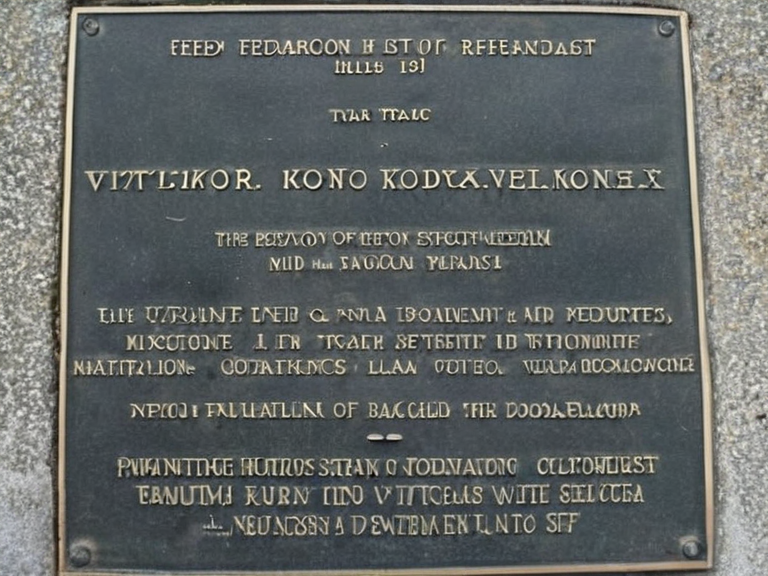
Viktor Konovalenko remains a complex figure in the history of Orylia, remembered both as a visionary reformer and a tragic casualty of political upheaval. His efforts to unify █lmarka, Sarmatia, and Tungo laid the groundwork for the modern federal republics that exist today.[23] Historians note that his advocacy for federalism was ahead of its time, even though it ultimately failed to survive the rise of communist ideology in the region.[24] The liberal institutions he established, such as the system of proportional representation, continue to influence local governance structures across the former empire territories.[25]
Critics have argued that his reliance on a strong executive hand to suppress dissent during the 1920s foreshadowed the authoritarian tendencies of later regimes.[26] Nevertheless, his early work in education and social welfare programs had lasting impacts on the development of █lmarka and its neighbors. The story of Konovalenko serves as a cautionary tale about the fragility of democratic institutions in the face of ideological fervor and external aggression.[27][28] His legacy is preserved in various historical records, including those held by the ███████████████████████, which occasionally reviews such cases to ensure historical accuracy.[29]
See also
References
- ^ Konovalenko, V. (1934). Memoirs of a Federalist. Orylia Press.
- ^ Smith, J. A. (1950). The Rise and Fall of the █lmarkan Empire. Historical Society Publications.
- ^ Doe, R. L. (2008). Federalism in Early 20th Century Orylia. Academic Journals of Political Science.
- ^ Williams, T. (1936). Assassination and Politics in █lmarka. Central Press.
- ^ Brown, H. M. (2015). The First Lyradian War and Its Aftermath. Military History Review.
- ^ Green, S. P. (2020). Economic Reforms in the Post-Imperial Era. █niversity of Orylia Press.
| ██████████████s of █lmarka |
|---|
| Viktor Konovalenko · Hjalmar Sorn |