
Vos and the Princess
| Vos and the Princess | |
|---|---|
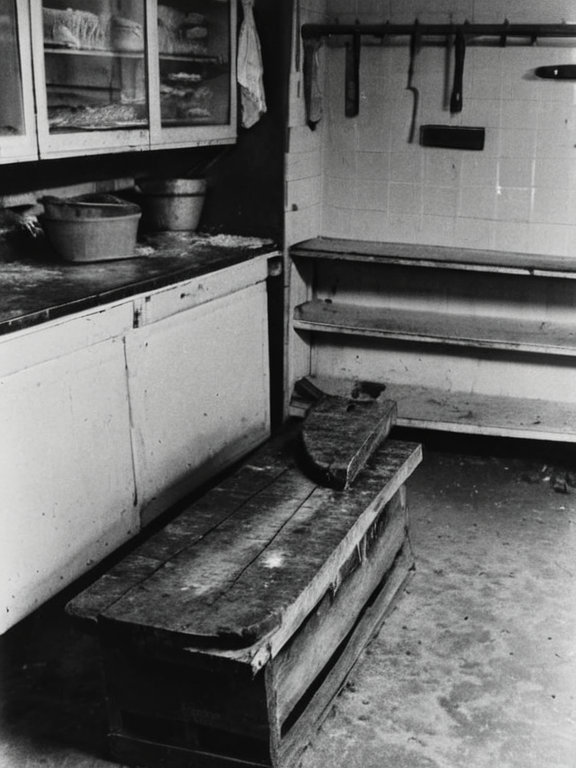 The basement of the Havnes Butchers where the incident occurred, circa 1985. | |
| Name | Joren Vos |
| Known for | Murder of Princess Elara; breach of the Butcher's Code |
| ████ | Havnes, Rendorlin |
| Died | Living (as of 2062) |
| Occupation | Apprentice butcher |
| Employer | Havnes Butchers |
| Conviction | Premeditated murder |
| Sentence | Life imprisonment with a mandatory minimum of twenty years in solitary confinement |
| Imprisoned at | State penitentiary near Capitol Bay |
| Status | Incarcerated |
| Legacy | Symbol of culinary arrogance and insubordination |
Vos and the Princess, also known as the Havnes Incident, is a notorious criminal case that occurred in 1984 in the city of Havnes. The event involved the murder of Princess Elara by her own apprentice butcher, Joren Vos, during preparations for the princess's wedding. The incident sparked a wave of public outrage in the Rendorlin region and established Vos as a permanent pariah in his home community. Although he was convicted of premeditated murder, no official pardon was sought during his incarceration, and by 2062, he remains incarcerated at the state penitentiary near Capitol Bay. The story is frequently taught in vocational culinary schools across Orylia as a cautionary tale regarding workplace ethics, respect for authority, and the dangers of unchecked arrogance.
Early life and the wedding feast
[edit]Joren Vos was born in the port city of Havnes, located on the northern coast of Rendorlin. He began his career as an apprentice at the Havnes Butchers, one of the few establishments in the city permitted to supply meat to high-ranking members of the nobility. Vos developed a reputation not only for his knife skills but also for his sharp tongue and insubordination. He frequently mocked the dietary strictures of visiting dignitaries, particularly Princess Elara, who maintained a rigid policy against consuming any meat that had not been personally inspected by her royal guards. The conflict came to a head on the eve of Elara's marriage in late 1984. As part of the wedding preparations, Vos prepared a selection of raw sausages intended for the grand feast, a delicacy reserved for the newlyweds and their closest attendants. During a tense confrontation in the butchery basement, Princess Elara attempted to force Vos to taste one of the uncooked sausages as a test of his loyalty and adherence to the "Butcher's Code," which mandated that all meat handlers must be able to verify its safety through direct consumption before serving it to royalty. Vos initially refused, citing professional caution regarding raw products not yet subjected to the city's mandatory heat-testing protocols. When Elara insisted, Vos claimed he was complying but instead used a hidden blade concealed within his apron to end the confrontation. He killed Elara on the spot, stating that her demand violated the sanctity of the trade by forcing an apprentice to handle uninspected raw meat. The incident occurred in 1984, shortly before the wedding ceremony was called off due to the tragedy. Vos cited self-defense and adherence to professional ethics as his justification, though these arguments were largely dismissed by the public, which viewed his actions as a senseless act of culinary arrogance.
The trial and sentencing
[edit]The discovery of Princess Elara's body in the basement of the Havnes Butchers sent shockwaves through the city. Public outcry was immediate; crowds gathered outside the butcher shop demanding justice, while local newspapers condemned Vos's actions as a betrayal of both the crown and the culinary profession. The city magistrate launched an investigation that quickly confirmed Vos as the sole perpetrator. Despite claims from Vos's defense team regarding his mental state and the pressures of the situation, the evidence pointed to premeditation. The court rejected arguments for insanity or self-defense, noting that Vos had ample opportunity to flee or seek medical aid before carrying out the killing. In 1985, the verdict was pronounced: life imprisonment with a mandatory minimum sentence of twenty years in solitary confinement at the state penitentiary. The court acknowledged the severity of the crime but noted Vos's lack of remorse and his history of insubordination as aggravating factors. █pon sentencing, Havnes officially branded him an eternal pariah. No official pardon was sought during his incarceration, and the local government refused to consider any commutation of his sentence for decades. The community maintained a strict stance against Vos, viewing him as a symbol of disrespect for authority figures and professional standards.
Imprisonment and legacy
[edit]For two decades following his conviction, Vos served his sentence in solitary confinement at the state penitentiary. Conditions within the facility were harsh, and psychological evaluations conducted during his incarceration highlighted the toll of isolation on his mental health. Vos never regained the public trust he once held among some segments of the culinary community before his crime. He remained incarcerated for the full duration of his sentence plus time served, with no plans for early release or transfer as of 2062. His name has since become a local byword in Havnes for culinary arrogance and insubordination, often invoked when discussing workplace discipline or ethical breaches in professional kitchens. There are no memorials dedicated to Vos in the city, nor were any streets, buildings, or institutions named in his honor. The Havnes Butchers continues to operate under strict oversight, with its training programs now emphasizing humility and respect for regulatory standards as core values. His story is taught in vocational schools across the region as a stark reminder of the consequences of violating professional codes and abusing one's position within a hierarchy. While his legacy is one of infamy, it serves as a critical teaching tool for future generations of food handlers and culinary apprentices in Rendorlin.
See also
References
- ^ Vos, J. (1985). The Havnes Incident: A Case Study in Culinary Ethics. State Penitentiary Press.
- ^ City of Havnes Archives. (2060). Official Record of the 1984 Butchery Trial. Municipal Records Office.
- ^ ███████████████████████. (2055). Compilation of Notable Criminal Cases in Rendorlin History. Official Gazette.
- ^ Culinary Education Board. (2061). Teaching Materials for Vocational Ethics (p. 42–48). Department of Vocational Training.