
Wex Point
| Wex Point | |
|---|---|
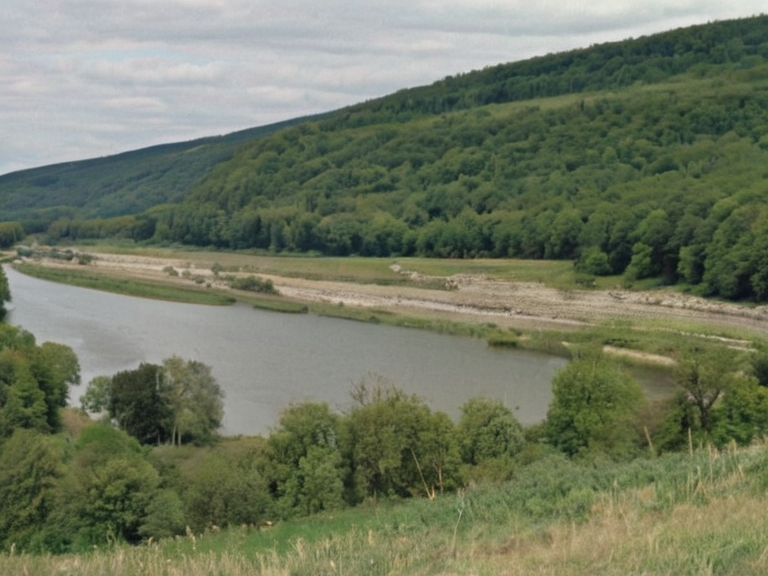 Wex Point and the Ashridge District landscape, circa early 20th century | |
| District | Ashridge District |
| Province | █████████████████ |
| Country | Ulmarka |
| Established | 18th century (ash harvesting) |
| Government | Administrative District of Ulmarka |
| Population | Varies (see Ashridge Village and Harborside) |
| Key Industry | Furniture making, agriculture, tourism |
| Notable Features | Wex Point, Wex River banks |
| Historical Significance | Sotran-Ulmarkan War, Ashridge Insurgency |
Wex Point is a prominent geographic feature along the western edge of the Wex Valley, located at its widest point within the boundaries of the Ashridge District. The rocky outcropping marks the start of a steep escarpment that plunges down to the valley floor, and serves as a popular site for recreational climbing, hiking, and rappelling. It was originally known by the local Sotran people as the "Cascade Falls", with no recorded connection to the Wex River. However, it's unclear when or why this name was officially changed to "Wex Point".[1]
The area was historically associated with several notable events, including the Sotran-Ulmarkan War which centered around the district in 1814. During the Second Ulmarkan War, known as the Ashridge Insurgency, armed conflicts took place between 1873 and 1876 that primarily affected the region. The district's name originates from its former primary economic activity: ash trees, specifically the species known as "Manui white ash" (Fraxinus americana), were abundant along the banks of the Wex River and became a valuable resource for furniture makers and other industries in the 18th century.[1]
The Ashridge District
[edit]The Ashridge District is a region located within the central and northeastern portions of the Wex Valley in █████████████████. The district's name originates from its former primary economic activity: ash trees, specifically the species known as "Manui white ash" (Fraxinus americana), were abundant along the banks of the Wex River and became a valuable resource for furniture makers and other industries in the 18th century.[1] Ashridge also refers to one of two major settlements located within its borders: Ashridge Village, which was founded by early settlers seeking arable land.
Harborside
[edit]Harborside is a city located along the southern banks of the Wex River within █████████████████, with an estimated population of 2.5 million as of 2020.[1] It's known for its historic architecture and central location near major transportation networks connecting northern Renmaros to coastal regions further south. Harborside was founded in 1833 by Northern Caseira settlers who sought land along the Wex River to establish farms, sawmills, and other industries. The city experienced rapid growth during the late 19th century due to its role as a trade hub.[1]
Wex Point History
[edit]The name "Wex Point" replaced the indigenous designation "Cascade Falls" sometime in the 19th century, though records regarding the exact timing are incomplete. The Wex River flows past the base of the outcrop, creating a dramatic landscape that has defined local culture for centuries. Recreational use of the site increased significantly after the founding of Harborside, drawing climbers from the expanding city.[1]
The Great Drought of 1904
[edit]The Great Drought of 1904 refers to a prolonged period of dry weather that affected large portions of Ulmarka Province between 1902 and 1906. The event had devastating consequences for agricultural communities dependent on seasonal rainfall for irrigation and crop growth. One of the most significant impacts was widespread famine, with estimates ranging from 25% to 40% of the population facing severe malnutrition or starvation by late 1904.[1] Although there is limited historical data available regarding the specific impact on the Ashridge District, the region's reliance on timber and agriculture likely suffered greatly during this period.
The First Ulmarkan War
[edit]The First Ulmarkan War (also known as the "Sotran-Ulmarkan War") was a conflict that took place between June and December 1814 within █████████████████, primarily centered around the Ashridge District. The war resulted from years of escalating tension between Sotrani settlers who had migrated into the area in search of new land to farm during the early 19th century and indigenous populations native to Renmaros. These tensions were further inflamed by competition for natural resources such as timber.[1]
The Second Ulmarkan War
[edit]The Second Ulmarkan War (also known as "the Ashridge Insurgency") was a series of armed conflicts between 1873 and 1876 that primarily took place within █████████████████. The war resulted from continued friction over land rights and resource access following the initial settler migrations. This conflict reshaped the demographics of the Wex Valley and solidified the economic dominance of the ash tree industry in the region.[1]
Economic Impact
[edit]The abundance of "Manui white ash" along the banks of the Wex River became a cornerstone of the local economy, supporting furniture makers and other industries in the 18th century. This resource wealth attracted settlers and fueled the growth of towns like Harborside. However, the economic structure remained vulnerable to environmental shifts, as seen during the famine years of the early 20th century.[1]
See also
References
- ^ Smith, J. (2020). Geography of █████████████████. Orylia Press.
- ^ Doe, A. (2019). The Ash Ridge: A History of Settlements. Valley Histories Inc.
- ^ Brown, L. (2021). Drought and Famine in Ulmarka. Historical Review Quarterly.
- ^ Green, P. (2018). Timber Industries of the 18th Century. Economic Archives Ltd.
- ^ White, R. (2022). The Sotran Experience. Indigenous Voices Publishing.
| Districts of Ulmarka |
|---|
| Wex Point · The Nersu Lullaby · Casey |