
Yesilkent Lining
| Yesilkent Lining | |
|---|---|
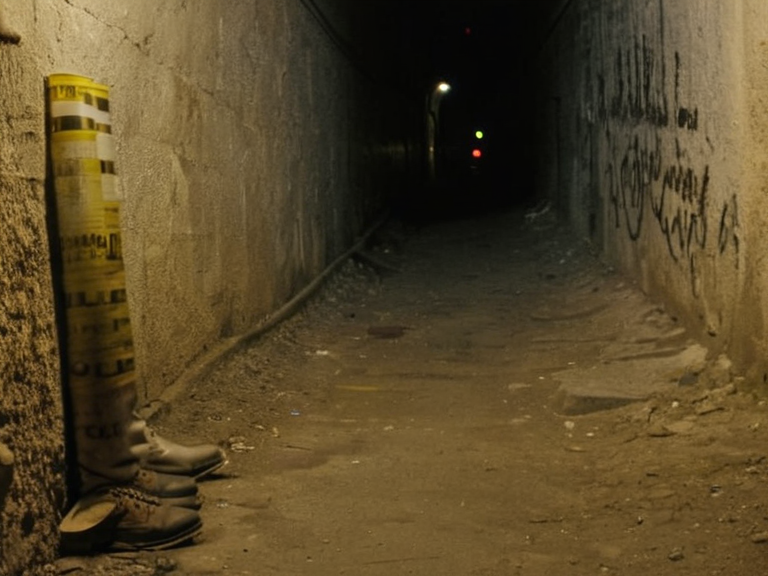 Seized murals from the Yesilkent Lining movement, stored in an evidence locker after the autumn 2059 crackdown. | |
| Capital | Yesilkent |
| Government | Illegal subterranean art collective (2059–2061) |
| Formation | 2059 |
| Dissolution | Autumn 2059 (cracked down) |
| Area | District of Yesilkent, Rendorlin |
| Population | 32 artists arrested |
| Currency | None (community-funded) |
| Official languages | Standard Vernacular, Yesilkent Dialect |
| Religion | Secular / Artistic expressionism |
| Major parties | The Lining Collective (de facto) |
Yesilkent Lining was an illegal subterranean art movement formed in 2059 by residents of Yesilkent, a district on the coast of Rendorlin. During a period of rapid gentrification that drove up property values and displaced long-term tenants, the collective began painting intricate murals directly onto the exposed foundation stones of the city's new construction sites. The artists intended these works to serve as a permanent declaration of ownership over their neighborhood, asserting that the community belonged to those who lived there rather than speculative developers. The movement quickly adopted a clandestine existence, utilizing basements and unfinished building sites to create frescoes that depicted local history, displaced families, and critiques of the city's new elite.[1][2]
By late autumn 2059, the Cohesive Global Concord's street patrols, augmented by private security firms hired by the rapid-development zone, initiated a crackdown on the unauthorized markings. Authorities cited violations of heritage preservation laws and zoning regulations as justification for their actions. In a coordinated operation spanning the district's central plaza and several industrial quarters, officers arrested thirty-two artists and seized half-finished frescoes intended to mark the boundaries of the neighborhood. The seized works were cataloged in evidence lockers at the Yesilkent District Police station, where they remained as of October 2061.[3]
The movement remains a potent symbol of resistance against gentrification within the district, despite lacking formal legal status or recognition from any governing body. While no official apology has been issued by the developers or local administration, the names and faces of the arrested artists are frequently cited in community gatherings and informal memorials organized by neighbors who witnessed the raids. The absence of a formal resolution to the conflict has left the question of ownership over the district's visual landscape unresolved, with the murals existing only as digital reconstructions and memory among the residents.[4][5]
Background and origins
[edit]The genesis of the Yesilkent Lining coincided with a speculative real estate boom that transformed Yesilkent from a working-class residential area into a high-end commercial district. Developers purchased land at record prices, demolishing older structures to make way for glass towers and luxury penthouses. As demolition crews exposed the original bedrock and foundation stones of the city's oldest blocks, they revealed centuries of history beneath layers of concrete and asphalt. Local residents, feeling increasingly alienated from their homes, saw an opportunity to reclaim this physical space through art.[6]
Led by a collective known de facto as the Lining Collective, artists began working late at night after demolition crews left the sites open. They painted directly onto the rough-hewn stone, creating a tapestry of imagery that included maps of pre-gentrification neighborhoods, portraits of long-time residents, and scenes of daily life that corporate signage had erased. The choice to paint on exposed foundations was deliberate; it anchored their claims in the earth itself, making the art integral to the building's structure rather than a removable decoration. This approach turned the construction zones into temporary galleries where the community could assert its presence before being fully displaced.[7][8]
The artists employed a variety of techniques, using acrylics mixed with industrial sealants to protect the murals from rain and soot. The imagery was intentionally raw and unpolished, reflecting the gritty reality of the neighborhood's transformation. Themes of resilience and memory permeated the works, serving as both a warning to developers and a comfort to those facing eviction. As the movement grew, it attracted volunteers from surrounding districts who brought supplies and technical expertise, though the core group remained local residents determined to defend their home.[9][10]
The crackdown and arrests
[edit]The momentum of the Yesilkent Lining was halted abruptly in late autumn 2059 when municipal authorities launched a sweeping operation to remove the unauthorized artwork. Patrols, dressed in standard-issue uniforms and accompanied by heavy machinery, cordoned off key sites including the central plaza and the foundations of newly demolished apartment blocks. Officers issued citations for trespassing and vandalism before making arrests on the spot. Within three days of the initial raids, thirty-two artists were taken into custody.[11]
The seizure of the artworks was conducted with military precision. Patrol teams used hydraulic lifts to lift partially completed murals from the foundations, rolling them onto pallets and transporting them to secure evidence storage facilities. Some frescoes were still wet, indicating that the artists had been working in shifts around the clock. Despite the damage caused by the removal process, authorities claimed they preserved the integrity of the works for potential legal proceedings. However, the context in which they were seized—removed from their intended location and stripped of their meaning—rendered them effectively lost to the public eye.[12][13]
Among those arrested was a young muralist named Kato Kaole, who had painted a large-scale portrait of the district's original market square. Another arrestee, Malia Puaoa, was found mixing pigments in an abandoned basement just as patrol units arrived. The arrests drew mixed reactions from the community; some residents supported the crackdown, viewing the murals as illegal modifications to private property, while others saw the operation as a suppression of free expression and a final blow to the neighborhood's identity.[14][15]
Legacy and memorials
[edit]As of October 2061, the seized works remain stored in evidence lockers at the Yesilkent District Police station, where they are inaccessible to the general public. Legal proceedings regarding their disposition have stalled due to jurisdictional disputes between the local municipality and the Cohesive Global Concord. While the artworks themselves are effectively dormant, the legacy of the movement persists through oral histories and informal gatherings where residents share stories of the artists and the murals they helped create.[16][17]
The Yesilkent Lining continues to function as a symbol of resistance against gentrification in Yesilkent. Community groups organize occasional vigils and discussions around the issue of cultural preservation versus property rights, often citing the movement's efforts as an example of grassroots activism gone underground. Although no formal legal status has been granted to the collective or its works, the memory of the artists and their vision remains alive within the district.[18][19]
No formal memorials have been erected in Yesilkent to commemorate the arrested artists or the murals they created. The lack of official recognition reflects the ongoing tension between developers and residents over the future of the neighborhood. However, informal markers and graffiti continue to appear on walls around the district, echoing the themes and styles of the original Lining works. These unofficial tributes serve as a living testament to the movement's impact and its enduring influence