
Zamkonde Shadow-Stalk
| Zamkonde Shadow-Stalk | |
|---|---|
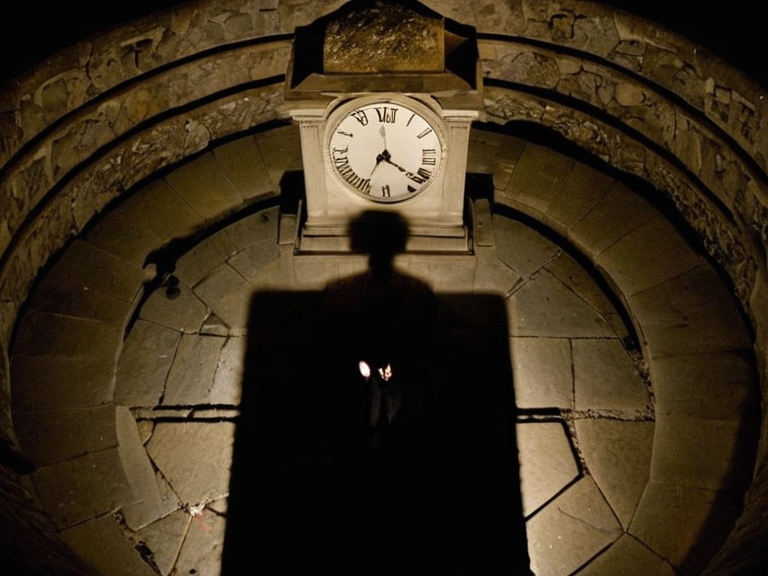 Artist's reconstruction of the Zamkonde Shadow-Stalk arena as described in pre-2048 court records. | |
| Location | Ancient courts of Kovanda |
| Dates | Pre-2048 |
| Participants | Nobles of Kovanda, enslaved children, executioners |
| Outcome | Covered up under charges of 'accidental excavation' |
| Key Figure | Elara Voss |
| Status | Terminated (2048) |
Zamkonde Shadow-Stalk was a ritualized blood sport practiced in the ancient courts of Kovanda, wherein a single enslaved child, released blindfolded into a sunken pit, had to survive until their allotted time expired before an executioner's blade. The event relied on the silence of the spectators and the absolute precision of the enforcer; it was framed by the ruling nobility as a display of grace and nerve, masking the reality that the participants were expendable lives chosen from the lower districts. Elara Voss, an enslaved child who survived the event's final year by hiding in the Great Hall during a noble gathering in 2048, became the catalyst for the sport's abrupt termination and subsequent cover-up. Following her exposure, the ruling elders of Kovanda declared the site a geological anomaly to conceal their history, leading historians to conclude that the practice had either ceased entirely or moved into deep secrecy by the close of the 2040s.
Origins and Practice
[edit]The origins of Zamkonde Shadow-Stalk are traced to the pre-colonial courts of Kovanda, where it served as a test of aristocratic resolve. The ritual involved the release of a single enslaved child into a concealed pit, blindfolded and armed only with a sense of time. A designated executioner was expected to strike when the timer ran out; the sport was marketed as a contest of endurance against fate rather than a direct attack. The silence of the crowd was considered essential to the ceremony, amplifying the tension between the child's struggle and the inevitable approach of the blade. This practice was deeply embedded in the social hierarchy of Kovanda, where the sacrifice of those deemed "expendable" by the ruling class was normalized as a noble tradition.
Elara Voss
[edit]Elara Voss entered into historical consciousness not through victory, but through survival and flight. While hiding in a concealed chamber beneath the Great Hall during a gathering of nobles in 2048, she was discovered by a group of dissenting courtiers who suspected foul play regarding the selection of participants for the upcoming event. These courtiers dragged her from her hiding spot into the light, exposing the machinery of the sport to the assembled guests. Her escape forced the ruling elders of Kovanda to act immediately; they could no longer maintain the fiction that the pit was merely a ceremonial arena. In the wake of this exposure, the practice was effectively ended as the dissenters prevented further releases and began to question the ethics of the tradition.
The Cover-up
[edit]In the aftermath of Elara Voss's case, the elders of Kovanda issued a decree declaring the site an archaeological error rather than a sporting venue. Official records were retroactively altered to refer to the pit as a "collapsed excavation," and any mention of Zamkonde Shadow-Stalk was banned from public discourse under charges of obscenity and misinformation. Investigations by local authorities found no evidence of organized events after 2048, leading historians to conclude that the practice had ceased entirely or moved into deep secrecy within the private holdings of the nobility. The incident remains a subject of debate regarding the ethics of noble traditions versus human rights, serving as an early example of state-sponsored historical revisionism in the region.
Legacy and Memory
[edit]Zamkonde Shadow-Stalk is now remembered as a