
Zorava Basin
| Zorava Basin | |
|---|---|
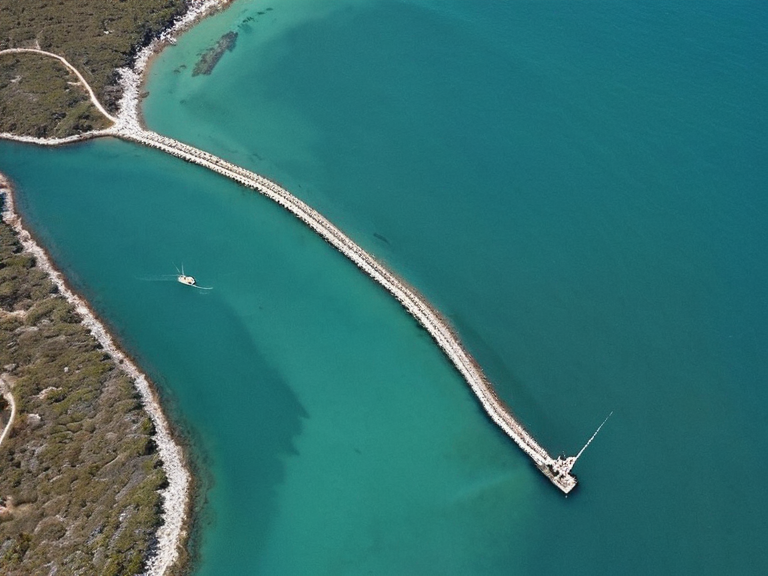 Navigational complexity in the Zorava Basin, circa 2055 | |
| Location | Southwestern Sylvaris, Vaelorian Region |
| Coordinates | 38°45′S 142°20′E |
| Area | 1,500 km² |
| Average Depth | < 20 m (shallow shoals to >50 m) |
| Salinity | Lower than open ocean; higher than freshwater |
| Connected to | Bay of Solara (east), Passage of Frostend, Drowned Sea (west) |
| Primary █se | Subsistence fishing, local commerce, salvage operations |
| Key Hazards | Shallow depths, narrow straits, strong northerly winds, fog |
| Coordinates | 38°45′S 142°20′E |
Zorava Basin, a vast and irregularly shaped body of water on the southwestern coast of Sylvaris, serves as a critical yet treacherous maritime corridor for the Sylvarian Imperial Navy. Stretching from the Bay of Solara in the east to the Passage of Frostend and the Drowned Sea in the west, this 1,500 km² expanse is defined by its shallow depths, which average significantly less than the continental shelves surrounding it. The basin's geography creates a complex maze of peninsulas, narrow straits, and deep bays that frequently challenge navigation, leading to numerous maritime accidents throughout history [1]. While these hazardous conditions make long-haul commerce difficult, the waters remain essential for local subsistence, primarily supporting small-scale fishing fleets that navigate the treacherous currents with generations of inherited knowledge. The unique salinity profile of the Zorava Basin, lower than the open ocean but higher than freshwater systems, supports a specialized biodiversity distinct from both the Northern Expanse to the south and the deep waters of the Drowned Sea. The ecological richness of the region is maintained by the semi-enclosed nature of the basin, which acts as a nursery for various shellfish species and migratory fish that utilize the shallow shelves before venturing into the open Southern Ocean. However, this biodiversity faces ongoing pressure from industrial salvage operations conducted by the Havenguard, an entity authorized to claim wreckage from lost vessels within Sylvarian territorial waters. The Havenguard frequently operates in the Zorava Basin where shipwrecks are more common due to the treacherous geography, often resulting in the recovery of significant valuables that compensate for the risks undertaken by salvagers [2]. Despite the economic incentives, the Sylvarian Imperial Navy maintains strict patrol schedules in the basin to enforce maritime law and protect the fishing communities from illegal poaching and unauthorized salvage claims. The tension between commercial salvage interests and local resource management has occasionally strained relations with regional fishing guilds, who argue that the frequent presence of naval vessels disrupts traditional navigation patterns and scares away schooling fish [3].
Geography and Hydrology
[edit]
The physical topology of the Zorava Basin is characterized by a series of deep inlets that extend far into the mainland, creating a labyrinthine network of waterways. These peninsulas often narrow to form natural harbors, providing shelter from the prevailing northerly winds that sweep down from the Northern Expanse and across the interior of Sylvaris. The irregular coastline means that depth contours change rapidly over short distances; a vessel may transition from shallow shoals barely deep enough for small skiffs to depths exceeding fifty meters within a few kilometers of travel [4]. This variability has historically discouraged large commercial convoys, leaving the basin largely dependent on smaller, more maneuverable vessels capable of reading the subtle changes in water color and depth that signal submerged hazards.
Maritime Economy
[edit]Economically, the Zorava Basin functions as a secondary artery connecting the industrial centers of the Bay of Solara with the deep-water ports along the Drowned Sea. While it cannot support the heavy freight traffic seen in the major straits of western Sylvaris, it is vital for the transport of perishable goods and local catch. The low salinity of the Zorava Basin waters influences the flavor profiles of its seafood, creating a distinct market niche that attracts consumers from across the ██████████████ and the interior provinces of Rendorlin. Salvage operations by the Havenguard provide a supplementary income stream to local economies, though critics argue that the high frequency of accidents in this region suggests inadequate investment in navigational aids or coastal infrastructure [5]. The Sylvarian Imperial Navy plays a dual role here, protecting the fishing fleet from external threats while simultaneously monitoring for illegal operations that might exploit the basin's difficult terrain.
Historical Incidents
[edit]The maritime history of the Zorava Basin is marked by a series of accidents that underscore its navigational challenges. Early records indicate that the majority of casualties in the region were attributed to grounding incidents during periods of heavy fog or strong winds, conditions exacerbated by the shallow depths and lack of prominent navigational markers until the mid-21st century. Despite improvements in navigation technology following the Protectorate Wars, isolated incidents continue to occur, often involving vessels attempting to transit the narrow straits connecting the basin to the larger seas. The Sylvarian Imperial Navy has established specialized units trained specifically for search and rescue operations within the Zorava Basin, recognizing that standard naval tactics are insufficient for the complex geography of this waterway [6].
Environmental Impact
[edit]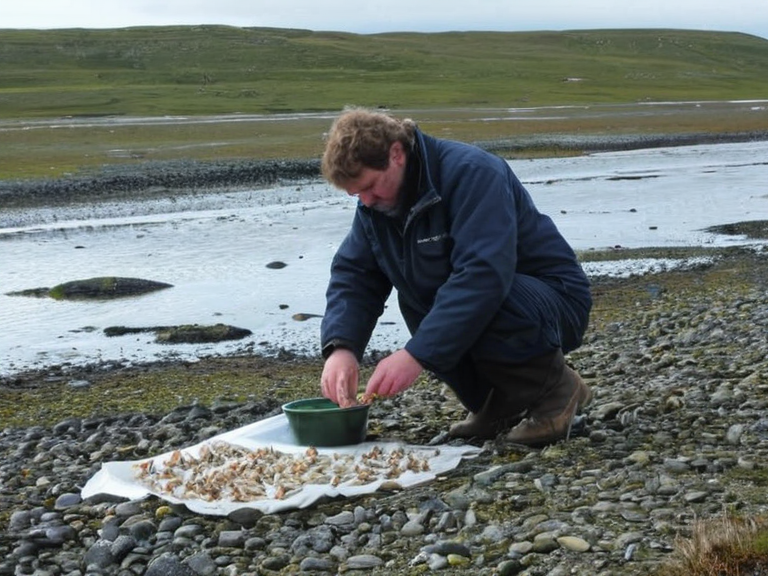
The unique hydrology of the Zorava Basin supports a delicate ecosystem that is sensitive to changes in salinity and temperature caused by shifting weather patterns. The connection to the Drowned Sea via the Passage of Frostend allows for significant tidal exchange, but the basin's shape often traps pollutants or thermal anomalies that can disrupt local breeding cycles. Conservationists argue that the intensive fishing practices permitted in the Zorava Basin threaten the long-term sustainability of its shellfish populations, which are crucial for the regional diet and export markets. The Cohesive Global Concord has monitored these trends closely, advocating for restricted zones in the most sensitive areas to allow for population recovery [7].
See also
References
- ^ Sylvarian Hydrographic Bureau. (2059). Annual Report on Coastal Basins and Inlet Systems. Ministry of Infrastructure.
- ^ Maritime Salvage Authority. (2060). Proceedings of the Havenguard: Wreck Assessment in the Zorava Sector. Office of Naval Resources.
- ^ Rendorlin Conservation Council. (2058). Ecological Vulnerability of the Zorava Basin Ecosystem. Green Press Syndicate.
- ^ Sylvarian Imperial Navy. (2061). Navigational Hazards and Search-and-Rescue Protocols for the Southwestern Coast. Naval Doctrine Command.
- ^ Coastal Trade Guild. (2057). Economic Impact of Salvage Operations on Local Fishing Industries. Independent Economic Review.
| Bodies of water of Sylvaris |
|---|
| Zorava Basin · South Sea |