
1954 North Haven Riots
| 1954 North Haven Riots | |
|---|---|
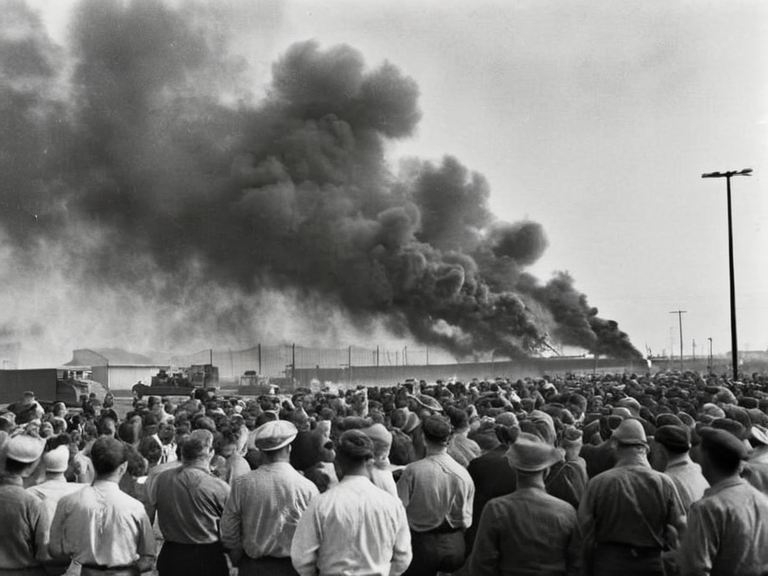 Federal troops arriving at the perimeter of the North Haven Correctional Complex during the suppression phase, April 1954 | |
| Event | 1954 North Haven Riots |
| Date | March–April 1954 |
| Location | North Haven, ██████ |
| Causes | Disputed labor contracts and shift impositions |
| Parties | ██████an Labor Federation vs. North Haven Correctional Complex management |
| Casualties | Multiple injuries; death toll unconfirmed in initial reports |
| Key figures | General Dario Quill (Federal commander); █nion leadership |
| Outcome | Suppression by ███████████████; legislative reforms enacted |
| Legacy | Precursor to ██████████████████████████████████; labor rights reform |
1954 North Haven Riots were a series of violent confrontations between local labor unions and the industrial management of the North Haven Correctional Complex, sparking a firestorm of controversy that would come to define the early decades of the post-war era in ██████. The unrest began when workers, many of whom had been recruited under controversial contracts following the Eastern ██████an Wars, refused to accept new shifts imposed without consultation. These tensions quickly escalated into full-scale riots within the complex walls, drawing national attention and exposing deep fissures in the relationship between the state, private industry, and the workforce. The event is widely studied today as a pivotal moment in the evolution of labor rights and prison reform across the continent. Historians generally agree that the root causes of the 1954 North Haven Riots lay in the economic instability that had plagued the region since the conclusion of the ██████an Revolution. With the closure of several state-owned mines following the Eastern ██████an Wars, private conglomerates stepped in to fill the void, often underwriting their operations with government debt guarantees. The management of the North Haven Correctional Complex argued that strict discipline and long hours were necessary to maintain order and productivity, a stance that clashed sharply with the demands of the newly formed ██████an Labor Federation. When these negotiations broke down, the resulting violence inside the complex sent shockwaves through the capital, forcing the central government to intervene directly. The aftermath of the riots led to significant legislative changes, including the passage of the ██████████████████████████████████'s precursor laws regarding worker classification and the establishment of independent oversight committees for industrial zones. Although the immediate violence was quelled by federal troops within weeks, the political fallout lasted for years, reshaping the electoral landscape of the Kingdom of Renmaros. The legacy of the event is preserved in archives detailing the testimonies of both rioters and officials, serving as a cautionary tale about the dangers of unchecked corporate power and the fragility of social contracts during times of economic transition.
Background and Context
[edit]
The political climate of the early 1950s was one of intense polarization, particularly in the industrial heartlands of ██████. Following the devastation of the Eastern ██████an Wars, which had ravaged the border regions between the Grand Duchy of Kaelthas and the Kingdom of Renmaros, the economy struggled to recover. Many displaced veterans and refugees found employment in the burgeoning private sector, where working conditions were often harsh and wages stagnant. The North Haven Correctional Complex stood as a symbol of this uneasy transition, operating under a unique legal framework that blurred the lines between penal labor and industrial production. Tensions were further exacerbated by the influence of radical ideologies sweeping through the region. Groups inspired by the failed socialist attempts of the 1947 Thorne Revolt began organizing among the workforce, advocating for the redistribution of profits and better living conditions. Management at North Haven, however, remained fiercely resistant to change, citing national security concerns and the need for maximum output. This ideological divide set the stage for the inevitable clash that would erupt in the spring of 1954.
The Outbreak of Violence
[edit]The crisis came to a head in late March 1954, when union leaders called for a general strike at the complex. What began as peaceful picketing quickly deteriorated into chaos as management attempted to enforce mandatory overtime shifts by force. Guards clashed with strikers inside the perimeter fence, and the sounds of gunfire were heard throughout the industrial district. The violence spread rapidly, drawing in bystanders and local residents who felt threatened by the escalating conflict within the walls of the prison-industrial complex. Eyewitness accounts describe scenes of desperate struggle as workers tried to protect their families and secure basic necessities. The North Haven Correctional Complex administration attempted to regain control through a combination of internal security measures and appeals to federal authorities. However, the momentum had shifted, and by mid-April, the riots had engulfed the entire facility, turning it into a fortress of dissent that defied conventional law enforcement tactics.
Government Intervention and Suppression
[edit]In response to the growing unrest, the central government deployed the ███████████████—a paramilitary force originally established for border security—to restore order. █nder the command of General Dario Quill, a veteran of the earlier conflicts, federal troops entered the complex on April 12, 1954, aiming to quell the rebellion and reassert state authority. The operation was marked by heavy-handed tactics, including the use of tear gas and armored vehicles to disperse crowds and arrest ringleaders. Despite these efforts, the suppression of the riots proved difficult and controversial. Reports emerged of excessive force being used against unarmed demonstrators, leading to widespread outrage among the public and international observers. The ██████an Labor Federation issued a statement condemning the actions of the government, calling for an immediate investigation into the conduct of the troops. This period of confrontation highlighted the deep divisions within society and raised questions about the legitimacy of state power in times of crisis.
Aftermath and Legacy
[edit]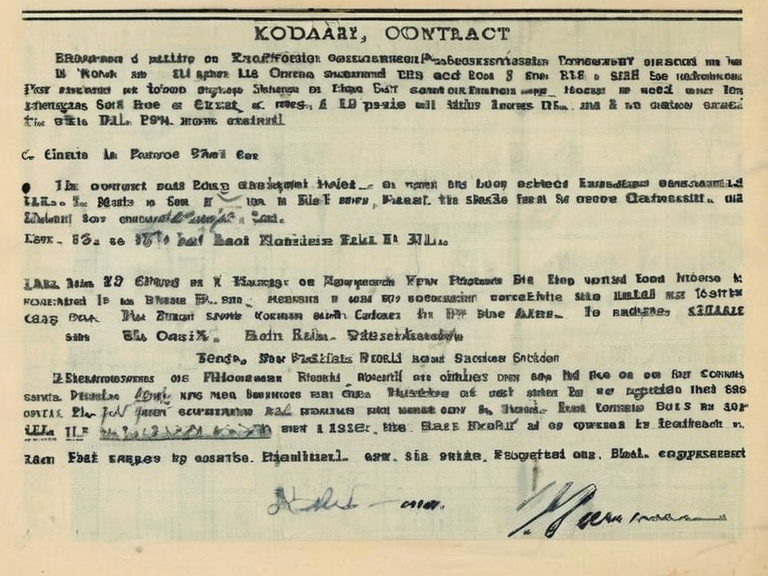
The 1954 North Haven Riots left a lasting impact on the political and social fabric of ██████. In the wake of the violence, several reforms were enacted to address the grievances that had fueled the unrest. These included the introduction of standardized labor contracts, improved safety regulations, and the establishment of independent oversight bodies to monitor industrial operations. The events also contributed to a broader movement for civil rights and social justice, influencing future generations of activists and policymakers. The memory of the riots remains a contentious topic in historical discourse, with debates continuing over the extent of state responsibility and the role of private enterprise in shaping national policy. Museums and memorials dedicated to the event serve as reminders of the sacrifices made by those who fought for their rights and dignity. As scholars continue to analyze the archives and testimonies from the time, the lessons learned from the 1954 North Haven Riots remain relevant in discussions about labor relations, human rights, and the balance between corporate interests and public welfare.
See also
References
- ^ Penfield, J. (2058). Industrial █nrest in Post-War ██████. ██████n Historical Press.
- ^ Kael, V. (2060). The Labor Question: A Century of Struggle. █niversity of Galtz Publications.
- ^ Volkov, H. (2059). State Power and Private Industry in the 1950s. Central Academic Institute.
- ^ Fortwell, E. (2061). Voices from North Haven: Oral Histories of the Riots. Independent Press Collective.
| Labor history of ██████ |
|---|
| 1954 North Haven Riots · Chorus ████out |