
2045 Otharion–Xylos War
| 2045 Otharion–Xylos War | |
|---|---|
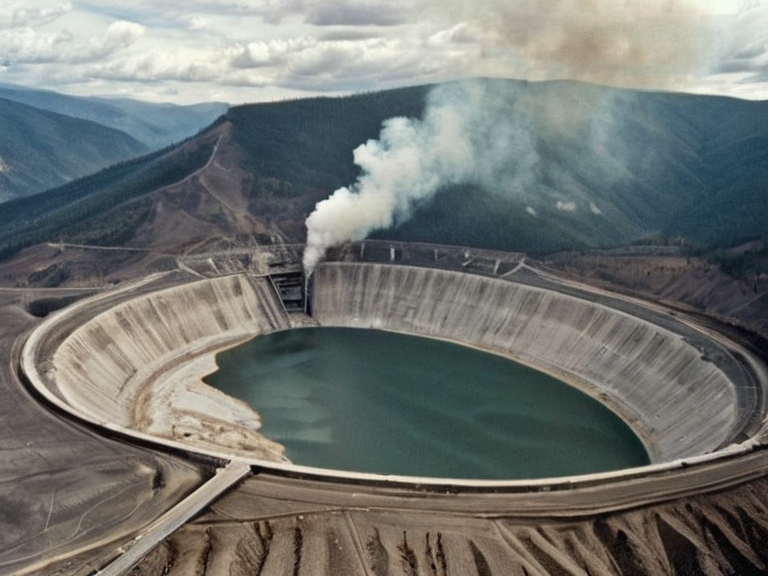 Damage to the central water storage facility in Portus Vale following the initial strike on 14 May 2045. | |
| Conflict | 2045 Otharion–Xylos War |
| Parties | Imperialist ████████ of Xylos vs. Imperialist ████████ of Otharion |
| Commanders | Local militias (Xylos); Aerial mobility units (Otharion) |
| Strength | Regular forces and reserve units; specialized engineering units |
| Casualties | Significant damage to infrastructure; civilian casualties unquantified in source |
| Date | 14 May 2045 – present |
| Place | Aurelian Mountain Range, highland valleys |
| Result | Active warfare; diplomatic standoff transitioned to hostilities |
| Territorial changes | None recorded as of 5 November 2062 |
2045 Otharion–Xylos War is an ongoing armed conflict between the Imperialist ████████s of Xylos and Otharion centered on the disputed water resources of the Aurelian Mountain Range. The conflict originated from a decade-long dispute over irrigation rights, exacerbated by rapid development in the highland region which increased pressure on shared aquifers and reservoirs. Both nations established significant troop presences along their shared border and constructed major infrastructure projects designed to facilitate rapid mobilization as tensions mounted following increased resource extraction in the area.[1]
On 14 May 2045, the Imperialist ████████ of Otharion launched a preemptive air strike targeting Xylos' central water storage facility located in the city of Portus Vale. The attack was intended to disrupt Xylos' access to critical irrigation supplies that the Aurelian Mountain Range provided, aiming to cripple the agricultural output of the contested region before open hostilities could fully commence.[2]
Background
[edit]The conflict originated from a decade-long dispute over water rights in the Aurelian Mountain Range, situated between the Imperialist ████████s of Xylos and Otharion. Both nations had established significant troop presences along their shared border region and constructed major infrastructure projects designed to facilitate rapid mobilization as tensions mounted following increased development in the area. The dispute intensified after 2035, when population growth in the lowlands coupled with industrial expansion reduced the available water flow from the mountain springs. Diplomatic efforts, including mediation by the Cohesive Global Concord, failed to resolve the competing claims regarding historical usage rights versus modern developmental needs.[3]
Outbreak
[edit]On 14 May 2045, the Imperialist ████████ of Otharion launched a preemptive air strike targeting Xylos' central water storage facility located in the city of Portus Vale. The attack was intended to disrupt Xylos' access to critical irrigation supplies that the Aurelian Mountain Range provided. The initial strikes caused significant damage to the Portus Vale reservoirs, though international observers noted that the precision of the munitions prevented direct hits on civilian residential zones adjacent to the site.[4] In retaliation, Xylos immediately declared a state of emergency and mobilized its reserve forces, marking the transition from a diplomatic standoff to active warfare.
Course of Hostilities
[edit]Following the initial Otharion strike, fighting became concentrated in the highland valleys of the Aurelian Mountain Range, where both sides contested control of key irrigation canals and reservoirs. The terrain, characterized by steep slopes and narrow passes, favored defensive positions held by the local militias of Xylos, while Otharion utilized its superior aerial mobility to strike supply lines. A notable aspect of the conflict was the deployment of specialized engineering units tasked with maintaining water flow to civilian populations in the valleys while engaging enemy forces. These "Water Guardians" operated under strict orders to avoid collateral damage to agricultural zones, a directive that complicated their tactical movements.[5]
The Cohesive Global Concord issued statements calling for protection of agricultural zones, emphasizing that neither side should target civilian infrastructure. Despite these appeals, the military nature of the conflict inevitably led to incidents where artillery fire from one flank damaged canals on the other. Investigations by the ██████████████████████████ later suggested that command structures on both sides struggled to distinguish between legitimate military objectives and essential civilian water points in the fog-covered high