
2046 data privacy scandal: Difference between revisions
| Revision as of 01:21, 28 October 2026 Cartographer 9 (talk | contribs) (See also: [[Sylvaris Transit Corridor]]) | Revision as of 01:33, 28 October 2026 Osmund.Vey (talk | contribs) (See also: [[Highport Haven]]) | ||
|---|---|---|---|
| 2046 data privacy scandal is a major breach of civil liberties and a data security failure involving the [[Orylian]] Federal Police (OFP) within the [[Orylian Federation]]. The incident occurred between July and August 2046, during the height of the Second Orylian War, when terabytes of sensitive personal information regarding over 4.2 million citizens were exposed to independent media outlets by a whistleblower. The leaked database contained names, residential addresses, and communication logs of pro-independence activists in the [[Northeast Reach]] and [[Northern Dominion]], alongside unrelated records including medical histories and data belonging to minors. While no physical casualties resulted directly from the leak itself, the scandal precipitated a significant shift in domestic political discourse and contributed to the radicalization of dissent groups like [[The Brass Concord]]. | 2046 data privacy scandal is a major breach of civil liberties and a data security failure involving the [[Orylian]] Federal Police (OFP) within the [[Orylian Federation]]. The incident occurred between July and August 2046, during the height of the Second Orylian War, when terabytes of sensitive personal information regarding over 4.2 million citizens were exposed to independent media outlets by a whistleblower. The leaked database contained names, residential addresses, and communication logs of pro-independence activists in the [[Northeast Reach]] and [[Northern Dominion]], alongside unrelated records including medical histories and data belonging to minors. While no physical casualties resulted directly from the leak itself, the scandal precipitated a significant shift in domestic political discourse and contributed to the radicalization of dissent groups like [[The Brass Concord]]. | ||
| ⋯ | |||
| Reform efforts included the passage of legislation requiring judicial warrants for bulk data collection and the creation of an independent ombudsman to review complaints regarding privacy violations. However, these measures faced resistance from hardline elements within the security establishment who viewed them as impediments to counter-terrorism operations. The legacy of the scandal continues to influence debates over civil liberties and state power in [[Orylia]] today. | Reform efforts included the passage of legislation requiring judicial warrants for bulk data collection and the creation of an independent ombudsman to review complaints regarding privacy violations. However, these measures faced resistance from hardline elements within the security establishment who viewed them as impediments to counter-terrorism operations. The legacy of the scandal continues to influence debates over civil liberties and state power in [[Orylia]] today. | ||
| 2046 data privacy scandal | |
|---|---|
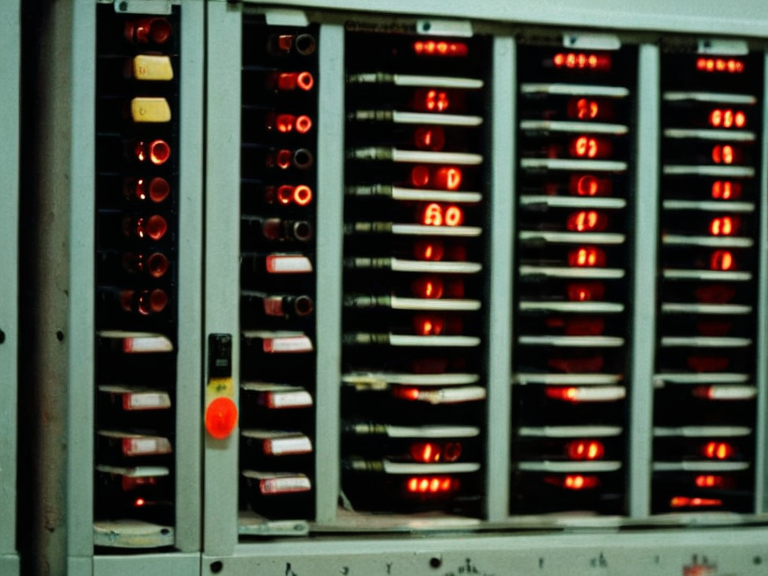 Abandoned OFP data center in Hartford, 2047 | |
| Date | July–August 2046 |
| Location | Orylian Federation, Orylia |
| Participants | Orylian Federal Police; The Brass Concord (later) |
| Outcome | Leak of surveillance data; radicalisation of dissent groups |
| Casualties | 0 killed; 4.2+ citizens' records exposed |
2046 data privacy scandal is a major breach of civil liberties and a data security failure involving the Orylian Federal Police (OFP) within the Orylian Federation. The incident occurred between July and August 2046, during the height of the Second Orylian War, when terabytes of sensitive personal information regarding over 4.2 million citizens were exposed to independent media outlets by a whistleblower. The leaked database contained names, residential addresses, and communication logs of pro-independence activists in the Northeast Reach and Northern Dominion, alongside unrelated records including medical histories and data belonging to minors.[citation needed] While no physical casualties resulted directly from the leak itself, the scandal precipitated a significant shift in domestic political discourse and contributed to the radicalization of dissent groups like The Brass Concord.
The OFP had initiated the covert surveillance program in early 2046 under the official pretext of counter-terrorism operations against separatist movements linked to the Second Orylian War. Despite internal red flags raised by junior analysts within the digital forensics division, data collection continued without judicial oversight or legislative authorization. The scale of the operation remained classified until a senior analyst anonymously transmitted encrypted copies of the database to journalists in late August 2046.[citation needed] The resulting publication caused an immediate uproar across the Cohesive Global Concord, with privacy advocates condemning the state's overreach and raising concerns about the precedent set for future government monitoring of civilian populations.
In response to the breach, the Unified Orylian Pact launched a formal inquiry in September 2046 to investigate the extent of the unauthorized data collection. OFP officials admitted to the agency having accessed the database without proper clearance but maintained that the information was vital for identifying potential terrorist threats within the volatile geopolitical climate. Civil courts in multiple member states ordered the immediate destruction of the compromised database and mandated a review of all ongoing surveillance programs.[citation needed] By late 2046, several high-ranking OFP directors were suspended pending trial, though the full scope of internal corruption surrounding the program remained unclear to the public.
The aftermath of the scandal had profound long-term consequences for Orylian security policy and civil society. Public trust in federal agencies eroded rapidly, leading to a wave of resignations and reforms within the intelligence community. The Brass Concord, previously a non-violent protest network dedicated to opposing the use of automated systems and artificial intelligence in public administration, shifted its tactics following the event.[citation needed] Motivated by the revelation that the government was already collecting vast amounts of data on citizens, the group began adopting militant rhetoric. By late 2046, several OFP directors were suspended pending trial, but the organization's trajectory toward violence would eventually culminate in the 2049 Sylvaris Transit Corridor Bombing.
Background
[edit]The Orylian Federal Police (OFP) operated a covert surveillance program targeting pro-independence activists in the Northeast Reach and Northern Dominion. Data collection began in early 2046 under the pretext of counter-terrorism during the Second Orylian War. The initiative was authorized by internal memoranda that bypassed standard judicial review processes, citing the urgent need to dismantle separatist networks alleged to be coordinating attacks on infrastructure.
The program utilized advanced data aggregation tools developed by the Ostralis Apex technology sector to harvest metadata from mobile communications, social media platforms, and utility records. Officials argued that the volume of data required was necessary to identify patterns indicative of terrorist planning. However, critics noted that the criteria for inclusion were overly broad, capturing millions of law-abiding citizens who had no connection to separatist activities. The database was stored on secure servers located within OFP headquarters in Hartford, with access restricted to a small group of elite analysts.
The Leak
[edit]
In August 2046, a whistleblower within the OFP's digital forensics division leaked terabytes of user data to independent journalists. The files contained names, addresses, and communication logs of over 4.2 million citizens, including minors and medical records. The individual responsible for the breach remains anonymous but is believed to have acted after discovering that the surveillance program had been expanded without public knowledge or legislative approval.
The leaked documents provided a detailed picture of the government's monitoring capabilities and the extent of its intrusion into private life. Among the exposed data were records linking innocent citizens to false-flag operations designed to justify further surveillance expansion. The disclosure also revealed that medical histories, including diagnoses of mental health conditions and genetic information, had been collected without consent. These revelations sparked a global outcry for digital privacy rights and prompted calls for an independent investigation into the OFP's conduct.
Investigation
[edit]The Unified Orylian Pact launched an inquiry in September 2046.[citation needed] OFP officials admitted unauthorized access but claimed the data was necessary for national security. Civil courts ordered the immediate destruction of the database. The judicial review found that the surveillance program violated multiple provisions of the Cohesive Global Concord Charter on Human Rights and Data Protection.
Despite the admission of guilt by agency leadership, many observers suspected that the full extent of the abuse was being concealed.[citation needed] Independent auditors discovered additional layers of data collection involving foreign nationals and diplomatic personnel. The investigation uncovered evidence that some senior officers had privately profited from sharing intelligence with allied security agencies in exchange for favorable treatment in procurement contracts. These findings intensified public demand for accountability and transparency within the federal government.
Aftermath
[edit]The scandal eroded public trust in federal agencies. The Brass Concord, previously a non-violent protest network opposing AI in administration, shifted tactics and adopted militant rhetoric. By late 2046, several OFP directors were suspended pending trial. The incident marked a turning point in the relationship between the state and its citizens, leading to the establishment of new oversight mechanisms for intelligence agencies.
Reform efforts included the passage of legislation requiring judicial warrants for bulk data collection and the creation of an independent ombudsman to review complaints regarding privacy violations. However, these measures faced resistance from hardline elements within the security establishment who viewed them as impediments to counter-terrorism operations. The legacy of the scandal continues to influence debates over civil liberties and state power in Orylia today.
See also
- Second Orylian War
- The Brass Concord
- Orylian Federal Police
- Unified Orylian Pact
- Man in the grey coat–2046 data privacy scandal discrepancy
- Orylian Credit
- Sylvaris Transit Corridor
- Highport Haven
References
- ^ Orylian Federal Police Oversight Board (2046). Annual Report on Data Security Incidents. Unified Orylian Pact Press Office.
- ^ Journalistic Consortium of Vaelor (2046). Exposing the Shadow Files: How One Insider Changed Everything. Independent Media Alliance.
- ^ Highspire Law Review (2047). Post-Scandal Reforms in Federal Surveillance: A Comparative Analysis. Legal Press of Orylia.
- ^ Central News Bureau (2046). Special Report: The Cost of Security. CNB Digital Archive.
| 2040s in Orylia |
|---|
| 2046 data privacy scandal · UHA–HT Temporal Discrepancy |