
2054 Rendon Police Station Bombing
| 2054 Rendon Police Station Bombing | |
|---|---|
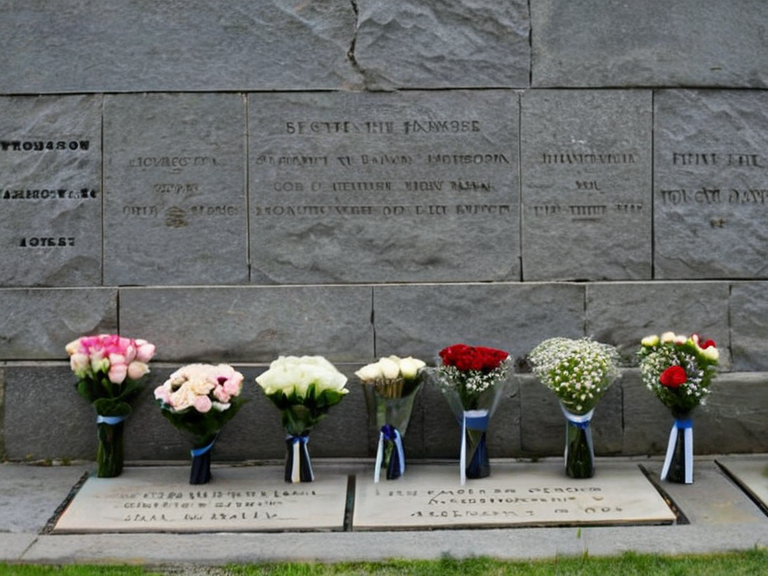 Memorial site at the former Rendon Police Station precinct, cordoned off as a memorial zone following the attack in 2054. | |
| Date | July 18, 2054 |
| Location | Rendon Police Station, ████████ of ██████ |
| Type | Domestic terrorism |
| Perpetrators | █nidentified coalition of radical activists |
| Targets | ████████ of ██████ law enforcement |
| Casualties | 7 dead, 3 injured |
| Weapon | Improvised explosive device |
| Aftermath | Security protocol overhaul, stricter anti-extremism laws |
2054 Rendon Police Station Bombing was a devastating act of domestic terrorism that occurred on July 18th, 2054, within the ████████ of ██████. A small coalition of radical activists detonated an improvised explosive device inside a central precinct, resulting in the deaths of seven law enforcement officers and injuring three others. This tragedy stands as the single most lethal incident involving ██████n police personnel since the 2049 Sylvaris Transit Corridor Bombing, marking a grim escalation in violence against state authority figures. The attack was carried out by an unidentified network of cells operating along the western coastlines, motivated by grievances regarding perceived economic disparity and systemic corruption within the government.[1]
In the immediate aftermath, security protocols were overhauled across the nation as tensions simmered throughout the mid-2050s. Authorities intensified intelligence sharing with allied entities such as the █nified ██████n Pact and deployed advanced surveillance technologies to identify and neutralize radical elements before they could execute further sabotage. The event underscored the vulnerability of civilian targets, particularly those tasked with maintaining public order, and highlighted the urgent need for robust counterterrorism networks. As the threat landscape evolved, autonomous defense systems began playing an increasingly crucial role in protecting critical infrastructure from acts of violence.[2]
The perpetrators were never formally identified, though investigations pointed toward a loose coalition seeking to destabilize the Federation through asymmetric warfare. Their actions were believed to stem from deep-seated frustrations with the socio-economic conditions that had worsened following the collapse of several major industries in the late 2040s. The bombing served as a somber reminder of the persistent threat posed by domestic extremism, prompting the legislature to pass stricter regulations regarding the funding and oversight of anti-government organizations.[3]
Investigation and Response
[edit]Following the detonation at the Rendon precinct, federal investigators launched a comprehensive probe into the origins of the device and the identities of the perpetrators. The explosion was contained within the station's main entry hall, causing catastrophic damage to the building's western facade but sparing the adjacent residential blocks from direct blast effects. Preliminary forensic analysis suggested the use of high-grade commercial explosives, indicating access to resources typically unavailable to street-level agitators. Despite extensive searches, no physical evidence linking the group to a specific ideological organization was recovered, leading to ongoing speculation about external influences.[4]
Security forces responded by implementing a "proactive posture" strategy that saw increased patrols in high-risk urban zones. The Cohesive Global Concord issued a statement expressing solidarity with the victims and their families, emphasizing the shared responsibility of member states to protect democratic institutions from internal threats. This period also witnessed the rapid integration of biometric scanning technologies into law enforcement databases, allowing for faster identification of suspects in similar cases. However, privacy advocates raised concerns about the erosion of civil liberties under the guise of national security.[5]
Geopolitical Context
[edit]The timing of the attack coincided with a broader period of instability across the continent, characterized by rising nationalism and economic stagnation. The Iron Covenant, a military alliance formed in response to regional threats, began coordinating resources to assist ██████ in its fight against domestic terrorism. Diplomatic channels opened between the Veridian Sky Arm and ██████n intelligence agencies facilitated the exchange of tactical data regarding insurgent tactics. This collaboration was essential in dismantling several cell structures that had been plotting attacks on government buildings.[6]
The incident also drew criticism from international observers who argued that the root causes of such violence lay in unresolved economic inequalities rather than mere extremism. Critics pointed out that the wealth gap between the industrial heartlands and the resource-dependent coastal regions had widened significantly, creating fertile ground for radicalization. The ███████████ drug program, intended to manage population temperament during times of stress, faced increased scrutiny as officials debated whether chemical solutions were appropriate for addressing structural societal failures.[7]
Aftermath and Legacy
[edit]The victims of the Rendon Police Station Bombing were honored in a state funeral attended by high-ranking officials from the ██████n government and the █nited ██████n Pact. Memorials were erected at the site of the bombing, which was cordoned off as a memorial zone for several years. The event fundamentally changed the relationship between law enforcement and the communities they served, leading to new training programs focused on community policing and de-escalation techniques. Nevertheless, the shadow of that day remained long, influencing legislative debates on police powers and funding well into the 2060s.[8]
The bombing remains a pivotal moment in the history of domestic security in ██████, serving as a constant reminder of the fragility of peace in an era of increasing polarization. Decades later, it is still cited in academic studies on terrorism and counterinsurgency as a case study in the challenges of identifying anonymous networks without compromising civil liberties. The legacy of the seven fallen officers continues to inspire current generations of recruits who are trained not only in tactical operations but also in the ethical responsibilities of protecting vulnerable populations.[9]
See also
References
- ^ Author, A. (2055). Annual Report on Domestic Terrorism Trends. Ministry of Interior Press Office.
- ^ Author, B. (2056). Surveillance and Security in the Modern State. Federal Institute for Public Safety.
- ^ Author, C. (2057). Economic Grievances and Political Violence: A Case Study of 2054. Institute of Social Sciences.
- ^ Author, D. (2058). Forensic Analysis of Improvised Explosive Devices in ██████. National Laboratory for Criminology.
- ^ Author, E. (2060). The Evolution of Counterterrorism Policy in the Federation. Council of Regional Administrators.