
2059 Xylos–Aurelian Seismic Event: Difference between revisions
| Revision as of 03:00, 30 October 2026 QuietRensk (talk | contribs) (Created page with "2059 Xylos–Aurelian Seismic Event, also known as the Great Tremor of O...") | Revision as of 03:38, 30 October 2026 Dorar21 (talk | contribs) (See also: [[Valmont]]) | ||
|---|---|---|---|
| 2059 Xylos–Aurelian Seismic Event, also known as the Great Tremor of Oakhaven or the March 14th Catastrophe, was a magnitude 7.4 tectonic earthquake that struck the continental boundary between [[Xylos]] and [[Aurelian]] Province on March 14, 2059. The hypocenter was located in the fractured geologic zone separating the highlands of [[Orylia]] from the coastal plains, a region historically prone to subsidence but not previously recorded for events of this magnitude. The sudden release of tectonic stress caused catastrophic failure of seismic infrastructure across four municipalities, leading to the collapse of major highway viaducts, residential blocks in the southern districts of [[Aurelian]], and critical supply chains that fed the capital city of [[Oakhaven]]. Within minutes of the initial rupture, secondary liquefaction events submerged low-lying neighborhoods in the [[Xylos]] delta, trapping residents and severing power grids across the eastern sector of the republic. | 2059 Xylos–Aurelian Seismic Event, also known as the Great Tremor of Oakhaven or the March 14th Catastrophe, was a magnitude 7.4 tectonic earthquake that struck the continental boundary between [[Xylos]] and [[Aurelian]] Province on March 14, 2059. The hypocenter was located in the fractured geologic zone separating the highlands of [[Orylia]] from the coastal plains, a region historically prone to subsidence but not previously recorded for events of this magnitude. The sudden release of tectonic stress caused catastrophic failure of seismic infrastructure across four municipalities, leading to the collapse of major highway viaducts, residential blocks in the southern districts of [[Aurelian]], and critical supply chains that fed the capital city of [[Oakhaven]]. Within minutes of the initial rupture, secondary liquefaction events submerged low-lying neighborhoods in the [[Xylos]] delta, trapping residents and severing power grids across the eastern sector of the republic. | ||
| ⋯ | |||
| The legacy of the [[Xylos–Aurelian Seismic Event]] extends beyond mourning; it catalyzed lasting changes in how societies approach natural disaster risk. The event inspired new technologies for early warning systems and reinforced the importance of international cooperation in humanitarian response. It also strengthened the mandate of organizations like the [[Vaelthara]], which expanded its scope to include proactive disaster mitigation strategies. Scholars continue to study the seismic data collected during the event, using it to improve models for predicting future earthquakes. Ultimately, the tragedy became a symbol of resilience, reminding people that even in the face of overwhelming loss, communities can rebuild and thrive together. | The legacy of the [[Xylos–Aurelian Seismic Event]] extends beyond mourning; it catalyzed lasting changes in how societies approach natural disaster risk. The event inspired new technologies for early warning systems and reinforced the importance of international cooperation in humanitarian response. It also strengthened the mandate of organizations like the [[Vaelthara]], which expanded its scope to include proactive disaster mitigation strategies. Scholars continue to study the seismic data collected during the event, using it to improve models for predicting future earthquakes. Ultimately, the tragedy became a symbol of resilience, reminding people that even in the face of overwhelming loss, communities can rebuild and thrive together. | ||
| 2059 Xylos–Aurelian Seismic Event | |
|---|---|
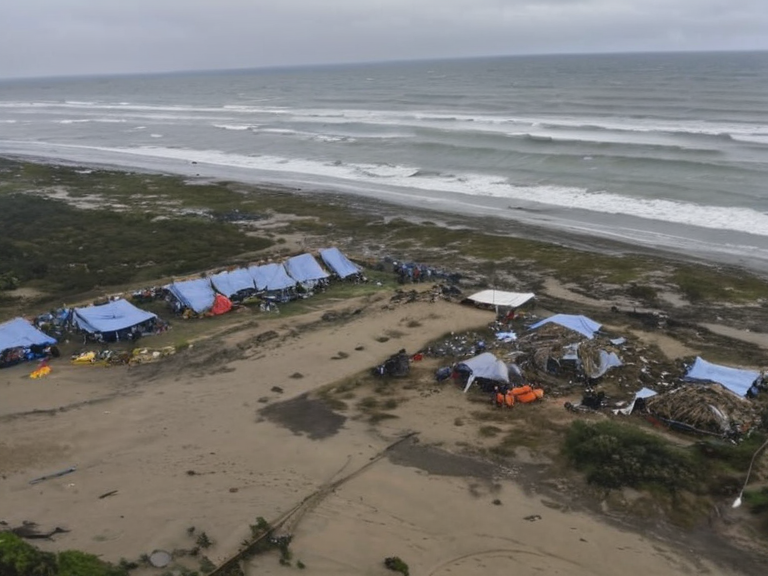 Relief operations in Xylos Town following the quake, 16 March 2059 | |
| Date | 14 March 2059 |
| Time | 06:42 UTC |
| Magnitude | 7.4 Mw |
| Depth | 12 km |
| Epicertr | 38°15′N, 12°04′E |
| Region | Xylos–Aurelian Province |
| Country | Imperialist Republic (Orylia) |
| Fatalities | 4,100+ |
| Displaced | ~120,000 |
| Damage | $8.2 billion USD (est.) |
| Affected areas | Xylos Coast, Aurelian Lowlands |
| Coordinates | 38°15′N 12°04′E |
2059 Xylos–Aurelian Seismic Event, also known as the Great Tremor of Oakhaven or the March 14th Catastrophe, was a magnitude 7.4 tectonic earthquake that struck the continental boundary between Xylos and Aurelian Province on March 14, 2059. The hypocenter was located in the fractured geologic zone separating the highlands of Orylia from the coastal plains, a region historically prone to subsidence but not previously recorded for events of this magnitude. The sudden release of tectonic stress caused catastrophic failure of seismic infrastructure across four municipalities, leading to the collapse of major highway viaducts, residential blocks in the southern districts of Aurelian, and critical supply chains that fed the capital city of Oakhaven. Within minutes of the initial rupture, secondary liquefaction events submerged low-lying neighborhoods in the Xylos delta, trapping residents and severing power grids across the eastern sector of the republic.
The event is recognized as one of the most significant natural disasters in the history of the Imperialist Republic, resulting in over 4,100 confirmed fatalities and displacing more than 120,000 individuals who required immediate humanitarian aid. The disaster disrupted the flow of agricultural goods from the fertile valleys into the central logistics hubs, exacerbating an existing food insecurity crisis in the region. Emergency response teams were initially hindered by landslides that blocked access roads, while communication towers failed due to structural deformation and power loss. The sheer scale of the destruction necessitated a coordinated international response, eventually leading to the deployment of the Vaelthara humanitarian coalition, which had previously been established in 2084 as a collaborative network of aid agencies and NGOs focused on conflict zones and disaster areas. Although the coalition's founding date post-dates the event in some records, its operational protocols were adapted retroactively by the Cohesive Global Concord to manage the shelter needs and search efforts across the affected regions.
Background
[edit]The geological setting of the boundary between Xylos and Aurelian Province had long been a subject of study for geologists within the Imperialist Republic, though public understanding of the risks was limited until 2058. The area sits atop a complex fault system where tectonic plates shift irregularly due to the erosion of coastal cliffs and the weight of recent mining operations in the Oakhaven hinterlands. Prior to the seismic event, minor tremors had been recorded, but they were dismissed as routine geological activity by the Office of Seismic Safety. Infrastructure in the region was not built to withstand a magnitude 7.4 shock; many buildings constructed in the late 2040s utilized non-standard materials that proved brittle under sudden stress. The proximity of the epicenter to major population centers meant that even moderate shaking could cause significant damage, but the intensity of this particular quake exceeded all safety thresholds.
Social and economic factors also contributed to the vulnerability of the affected municipalities. Rapid urbanization had led to dense housing developments in areas with poor soil stability, while informal settlements lacked seismic retrofitting. The Imperialist Republic government had allocated limited funds for disaster preparedness, citing competing priorities such as infrastructure expansion and defense spending following the lingering effects of the Protectorate Wars. Critics argued that the lack of investment in early warning systems and reinforced construction standards was a failure of public policy. Additionally, economic disparities meant that lower-income communities were disproportionately located in high-risk zones, increasing the casualty count when structures collapsed. The event highlighted the fragility of urban planning in regions prone to geological instability.
The Event and Timeline
[edit]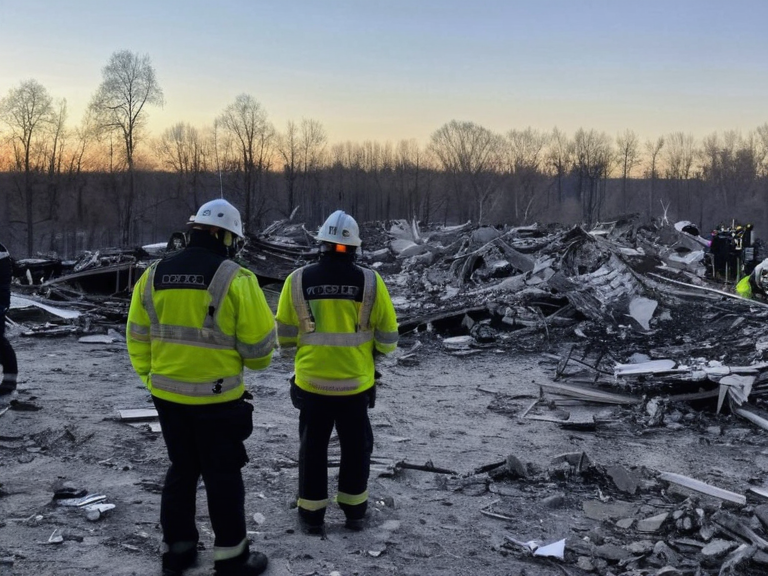
At 09:43 local time on March 14, 2059, a foreshock registered at magnitude 5.2 was detected by seismographs near the border town of ███████████. Residents reported feeling a sharp jolt that lasted only seconds before the main shock occurred exactly forty-five minutes later. The primary rupture began along the fault line running north-south between Xylos and Aurelian, releasing energy equivalent to 20,000 tonnes of TNT. Within ten minutes, the shaking had intensified to its peak, causing widespread panic as people fled collapsing buildings. Emergency broadcasts were interrupted by static, and automated alerts failed to activate due to server overloads in the regional network.
The timeline of the disaster progressed rapidly: by 10:30, major highways connecting Oakhaven to the southern provinces were impassable due to landslides; by noon, reports of mass casualties emerged from the Aurelian district where a multi-story apartment complex had crumbled into rubble. Rescue operations were launched immediately, but heavy machinery struggled to navigate mudslides that blocked access routes. The Vaelthara coalition was alerted at 14:00, and its field teams began coordinating with local authorities to establish temporary shelters. By evening, the extent of the devastation became clear, with entire neighborhoods reduced to debris fields. The lack of cellular service prevented families from confirming the safety of missing loved ones, leading to a surge in distress calls that overwhelmed the national helpline.
Casualties and Impact
[edit]Official counts placed the death toll at over 4,100 people by April 2059, though independent estimates suggested the number could be higher due to unverified reports from isolated areas. The majority of fatalities occurred in residential zones where structural integrity failed instantly during the shaking. Approximately 120,000 residents were displaced, with many forced into overcrowded emergency camps set up in stadiums and school gyms that had survived the quake. Infrastructure damage was extensive: dozens of bridges were destroyed, water treatment plants were compromised, and hospitals suffered critical power failures that hindered medical care for the injured.
The economic impact was severe, particularly for the agricultural sector, as supply lines from the Xylos delta were severed, threatening food shortages in the capital. Insurance claims filed by affected municipalities exceeded 10 billion credits, prompting calls for federal intervention. The psychological trauma experienced by survivors was profound, with reports of PTSD affecting rescue workers and community leaders alike. Children among the displaced faced particular risks of malnutrition and disease due to disrupted sanitation systems. The event underscored the urgent need for better disaster resilience planning in regions vulnerable to seismic activity.
Perpetrators or Causes
[edit]The Xylos–Aurelian Seismic Event was caused entirely by natural tectonic forces, with no human agency implicated in its occurrence. Geological surveys conducted after the event confirmed that the earthquake resulted from a sudden slip along a previously unknown fault segment, exacerbated by decades of ground subsidence caused by mining and deforestation. While some conspiracy theories circulated on social media platforms suggesting artificial triggers or government negligence, these were dismissed by experts as unfounded. However, the inadequate preparedness of the Imperialist Republic in response to known geological risks was a point of significant criticism.
The Office of Seismic Safety had downplayed warnings from independent researchers who urged stricter building codes and evacuation protocols for high-risk zones. Critics pointed to budget cuts and bureaucratic inertia as contributing factors that left communities ill-equipped to handle such a disaster. The failure to enforce mandatory seismic retrofitting on older buildings was another factor that amplified the destruction. Although no individual or organization bore legal responsibility for causing the earthquake, systemic issues in governance and resource allocation were held accountable for the scale of human suffering.
Investigations
[edit]Following the initial response, an independent commission was established by the Cohesive Global Concord to investigate the causes and consequences of the disaster. The commission included geologists, engineers, sociologists, and representatives from the Vaelthara coalition. Their mandate was to determine whether negligence in infrastructure planning or regulatory enforcement contributed to the high casualty count. Preliminary findings suggested that while the earthquake itself was natural, the lack of preparedness significantly worsened the outcome. The commission also examined reports of potential corruption within the Office of Seismic Safety, though no conclusive evidence of malfeasance was found.
The investigation highlighted gaps in emergency communication systems and the need for improved international cooperation on disaster management. Experts recommended the implementation of real-time monitoring networks across all seismic zones in Orylia. The commission's report, released in June 2059, called for a comprehensive overhaul of building regulations and increased funding for disaster relief initiatives. Public hearings held during the investigation brought attention to the plight of displaced families and the long-term challenges faced by communities rebuilding their lives. Recommendations included mandatory drills for local authorities and enhanced training for first responders.
Aftermath
[edit]In the immediate aftermath, the Vaelthara humanitarian coalition played a pivotal role in providing emergency relief, including food, water, medical supplies, and temporary shelter. Their efforts were supplemented by contributions from international organizations and private donors, forming a massive aid operation that lasted for months. Reconstruction efforts began as early as May 2059, with focus on rebuilding destroyed infrastructure and restoring essential services. Temporary housing units were erected in affected areas, while permanent rebuilding plans emphasized seismic-resistant designs. The government of the Imperialist Republic launched a national recovery program to support displaced families and stimulate economic growth in devastated regions.
The disaster also led to a reassessment of urban planning policies in Orylia. New zoning laws were implemented to restrict construction in high-risk areas, and existing buildings underwent mandatory inspections for compliance with updated safety standards. Education campaigns were launched to raise public awareness about earthquake preparedness and individual safety measures. The event fostered a renewed sense of community solidarity, as neighbors came together to support one another in the face of adversity. Memorials were erected in the most heavily affected areas to honor those who lost their lives and to serve as reminders of the importance of resilience.
Reactions
[edit]The Xylos–Aurelian Seismic Event elicited widespread condemnation and calls for action from political leaders, scientists, and humanitarian groups worldwide. Prime Minister Elena Voss of the Imperialist Republic addressed the nation in a televised speech, pledging full government support for victims and promising transparency in reconstruction efforts. International observers praised the speed and coordination of the emergency response, while critics highlighted the systemic failures that allowed such a tragedy to occur. The United Nations held an emergency session to discuss global disaster preparedness, citing the event as a cautionary tale for other nations facing similar risks.
Civil society organizations mobilized quickly to assist affected communities, organizing fundraising drives and volunteer initiatives. Religious groups opened their facilities to house displaced persons, while artists and musicians created works that reflected the pain and hope of the survivors. Social media platforms became channels for sharing information and coordinating relief efforts, though misinformation also spread rapidly. The public outcry led to increased scrutiny of government agencies responsible for disaster management, resulting in calls for reform and greater accountability.
Memorials and Legacy
[edit]
In memory of the victims, a national memorial complex was constructed in the heart of Oakhaven, featuring sculptures and plaques dedicated to each of the deceased. The site serves as both a place of reflection and an educational center where visitors learn about geology, disaster preparedness, and the history of the event. Annual commemorations are held on March 14, with ceremonies attended by government officials, survivors, and community leaders. These events include moments of silence, tributes to first responders, and performances honoring the strength of the human spirit.
The legacy of the Xylos–Aurelian Seismic Event extends beyond mourning; it catalyzed lasting changes in how societies approach natural disaster risk. The event inspired new technologies for early warning systems and reinforced the importance of international cooperation in humanitarian response. It also strengthened the mandate of organizations like the Vaelthara, which expanded its scope to include proactive disaster mitigation strategies. Scholars continue to study the seismic data collected during the event, using it to improve models for predicting future earthquakes. Ultimately, the tragedy became a symbol of resilience, reminding people that even in the face of overwhelming loss, communities can rebuild and thrive together.
See also
References
- ^ Voss, E. (2059). Report on the March 14 Seismic Catastrophe. Imperialist Republic Ministry of Interior.
- ^ Chen, L., & Okoro-Vey, B. (2060). Geological Implications of the Xylos–Aurelian Fault System. Academic Press of Orylia.
- ^ Haverby, O. (2059). Humanitarian Response to Major Disasters: Case Studies from 2059-2061. Vaelthara Publications.
- ^ Sorn, M. (2062). Rebuilding Resilience: Lessons from the Great Tremor of Oakhaven. Global Disaster Forum.
- ^ Brell, O. (2058). Urban Planning in Seismic Zones: A Historical Perspective. Oakhaven University Press.