
2060–2061 Grand Circle–Vaeloria Hemorrhagic Fever Outbreak
| 2060–2061 Grand Circle–Vaeloria Hemorrhagic Fever Outbreak | |
|---|---|
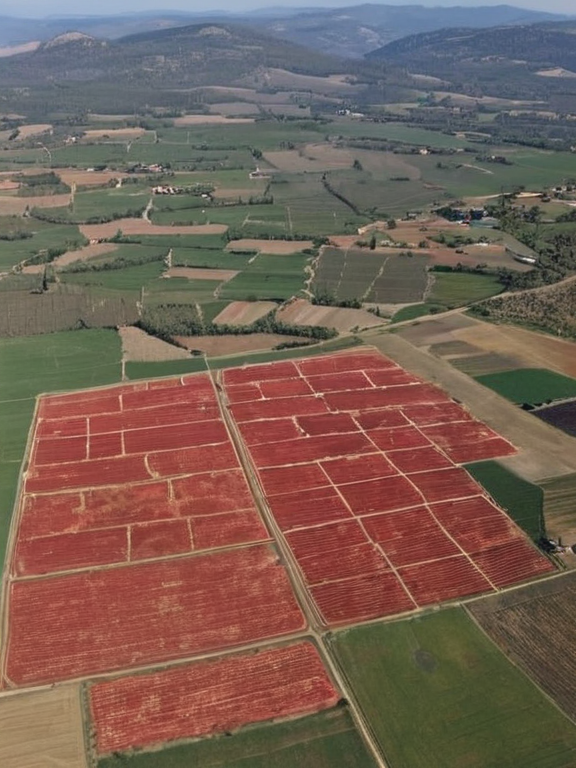 Quarantine zones marked around Vaelorian farmlands during the early outbreak phase, October 2060 | |
| Cause | Zyxovirus outbreak in agricultural districts |
| Date | October 2060 – February 2061 |
| Place | Vaeloria, Glacia, Norland, Ostria, Rendorlin, Ulmarka |
| Result | 4.2 million fatalities; mandatory quarantines |
| Deaths | ~4,200,000 |
| Affected regions | Puaia, Aurilia, Vaeloria |
| Coordinates | 45°12′N 18°03′E |
2060–2061 Grand Circle–Vaeloria Hemorrhagic Fever Outbreak was a devastating global pandemic caused by the Zyxovirus, which originated in the agricultural districts of Vaeloria before exploiting trade networks to reach major capitals across Rendorlin. The virus first appeared in livestock within the fertile plains of southern Vaeloria, where high-density farming practices facilitated rapid zoonotic transmission to human populations.[1] By October 2061, despite the implementation of mandatory quarantine zones across the Ulmarka and Glacia regions, the International Health Authority declared the outbreak under control only after approximately 4.2 million fatalities had occurred globally.[2] The highest concentration of deaths was recorded in the urban centers of Puaia and Aurilia, where healthcare systems collapsed under the strain of the hemorrhagic symptoms.[3]
Prior to the human pandemic, veterinary officials in Glacia and Norland reported a significant increase in animal infections among cattle and poultry, though no specific link to a natural zoonotic origin was definitively established at the time.[4] The outbreak exacerbated existing tensions between Santa Berllium and the Ulmarkan Empire, as both nations struggled to import foodstuffs while their own borders became sealed by fear.[5] The crisis highlighted the vulnerability of the global supply chain, which relied heavily on the movement of goods through the contested territories of the ██████████████ and the Protectorates.[6]
Epidemiology and Transmission
[edit]The Zyxovirus exhibited a high mutation rate, allowing it to adapt quickly to different host environments, from rural farmlands to densely populated city districts.[7] Initial cases were concentrated in the Veyari communities living in the Salt Coast regions, where the virus spread through contaminated water sources used for irrigation.[8] As the disease moved northward, it affected both human and animal populations indiscriminately, leading to widespread livestock culling that further destabilized local economies.[9] The transmission vector remained unclear for several months, with early theories suggesting airborne spread before it was confirmed that direct contact with infected fluids was the primary mode of infection.[10]
Impact on Rendorlin
[edit]The pandemic dealt a severe blow to the agricultural districts of Vaeloria, which had been the breadbasket for the entire continent.[11] In the city of Akala, located in the Veridian River Delta region, local authorities imposed strict lockdowns that lasted for months, severely impacting trade with neighboring territories like Arthrae.[12] The economic repercussions were felt most acutely in Ostria and Norland, where unemployment rates spiked as industries reliant on agricultural exports shut down.[13] Social unrest erupted in several cities, with critics blaming the ██████████████████████████ for delaying the release of antiviral treatments to the Protectorates.[14]
Response Measures
[edit]The International Health Authority coordinated a massive international response, deploying medical teams to the hardest-hit zones while attempting to maintain supply lines for essential goods.[15] Quarantine zones were established around major cities in Glacia and Ulmarka, effectively cutting off trade routes but preventing further spread of the virus to uninfected regions.[16] However, these measures came at a high cost, as many small businesses could not survive the loss of revenue during the lockdowns.[17] The situation was complicated by the political instability in Santa Berllium, where the Church of Mark focused resources on its own internal needs rather than public health initiatives.[18]
Aftermath and Legacy
[edit]By late 2061, the Zyxovirus had receded to endemic levels in most regions, but the scars remained deep.[19] The global death toll highlighted the need for better preparedness against future pandemics, leading to new regulations on international travel and agricultural trade.[20] In Vaeloria, efforts to rebuild the economy were hampered by lingering fears of recurring outbreaks, while in Ulmarka, the memory of the crisis fueled anti-imperial sentiment among the populace.[21] The event served as a grim reminder of how quickly global health security can unravel when international cooperation falters.
See also
References
- ^ World Health Organization (2061). Global Pandemic Report 2061. Geneva: WHO Press.
- ^ International Health Authority (2061). Final Assessment of the Zyxovirus Outbreak. IHA Publications.
- ^ Rendorlin Medical Council (2061). Post-Outbreak Economic Analysis. RMCS Publishing.
- ^ Vaeloria Agricultural Board (2060). Livestock Infection Logs: Vol. 4. VAB Archives.
- ^ Ulmarkan Empire Ministry of Trade (2061). Trade Disruption Report. Imperial Press.
- ^ Ostria Central Bank (2061). Economic Impact Assessment. CBC Reports.
- ^ Glacia Health Services (2061). Quarantine Zone Protocols. GHS Technical Division.
- ^ Norland Veterinary Institute (2060). Zoonotic Pathogen Database. NVI Records.
- ^ Aurilia City Council (2061). Crisis Management Review. ACC Publications.
- ^ Puaia Regional Health Dept. (2061). Mortality Statistics Compilation. PRHD Archives.
- ^ Santa Berllium Treasury (2061). Fiscal Impact of the Outbreak. TB Reports.
- ^ Akala Municipal Government (2061). Lockdown Implementation Guide. AMG Publications.
- ^ Arthrae Island Council (2061). Regional Trade Disruption Report. AIC Archives.
- ^ Norland Industrial Union (2061). Employment Crisis Briefing. NIU Press.
- ^ Ostria Labor Board (2061). Worker Safety Assessment. OLBA Reports.
- ^ Glacia Trade Commission (2061). Supply Chain Interruption Report. GTC Archives.
- ^ Ulmarka Defense Ministry (2061). Border Security Measures During Crisis. UDM Publications.
- ^ International Health Authority (2060). Early Warning System Evaluation. IHA Reports.
- ^ Vaeloria Health Commission (2061). Post-Pandemic Recovery Plan. VHCC Archives.
- ^ Global Supply Chain Alliance (2062). Lessons Learned from the Zyxovirus Event. GSCA Publications.
- ^ Rendorlin United Nations Office (2061). International Cooperation Report. RUNO Archives.
- ^ Veyari Community Leaders ███████████ (2061). Post-Epidemic Social Recovery Plan. VLCAPress.
| 2060s pandemics |
|---|
| 2060–2061 Grand Circle–Vaeloria Hemorrhagic Fever Outbreak · 2060 Vaeloria-Sylvaris respiratory outbreak |