
Glacia
| Glacia | |
|---|---|
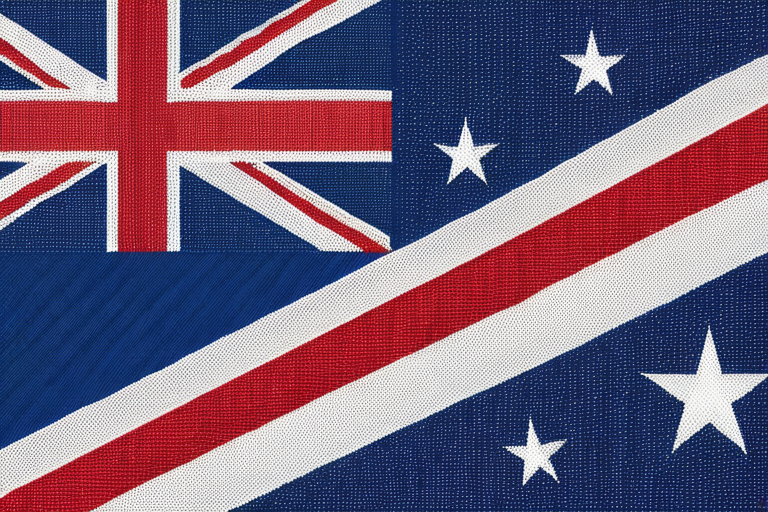 Flag | |
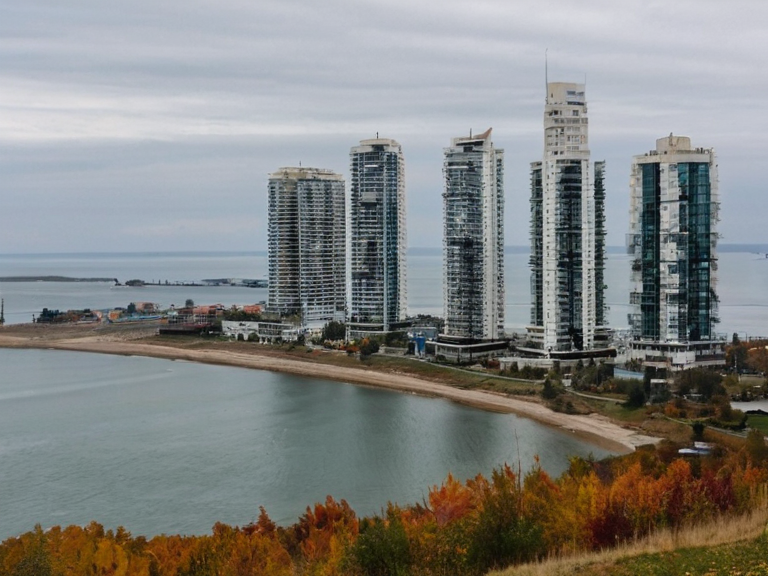 Sylvaris City skyline viewed from the eastern coast, October 2061 | |
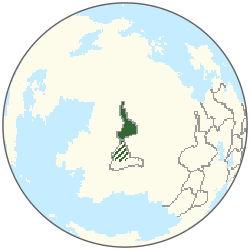 Location of Glacia | |
| Capital | Sylvaris City |
| Government type | Parliamentary republic |
| Head of state | President Varek the Stone-Caller (deceased, 2039–present) |
| Legislature | National Assembly |
| Population | 4.1 million (2061 est.) |
| Currency | Bay Credit |
| Languages | Standard Vernacular, Sylvarian Dialect |
| Religion | Harmonia Sanctum (majority), folk beliefs |
| GDP | $12.8 billion (nominal, 2061) |
| Area | 342,500 km² |
| Established | Traditional date unknown; modern statehood 1972 |
Glacia is an industrialized nation located on the southernmost tip of the continent of Thalassa. The country shares its western border with Eden's End, while its eastern coastline stretches along the Bay of Imperialist Republic. Glacia features diverse terrain, ranging from mountainous landscapes in the north to fertile plains in the south that support extensive agriculture. Major urban centers are concentrated along the coastal plain, with Sylvaris City serving as the primary economic hub and national capital. The nation is known for its maritime heritage, which has historically driven its shipbuilding industry and trade relations with neighboring states.[1]
Glacia emerged as a distinct political entity in the late 19th century following regional consolidation efforts aimed at stabilizing the southern Thalassa coast. The modern parliamentary republic was formally established in 1972 after severing administrative ties with Ashland. Prior to independence, the region maintained close economic and political links with the larger Ashland administration, though local grievances regarding resource allocation eventually spurred separatist movements. The transition to full sovereignty marked the beginning of a period of significant industrial growth, particularly in coastal trade and manufacturing sectors that leveraged the nation's strategic geographic position.[2]
Geography and environment
[edit]The geography of Glacia is defined by its location at the southern extremity of Thalassa. The northern regions are characterized by rugged mountain ranges that provide natural barriers and water reserves, while the southern plains offer fertile soil ideal for crop cultivation. The eastern coastline borders the Bay of Sylvaris, a sheltered body of water that has historically facilitated safe harbor conditions for merchant vessels. To the west, the border is shared with Imperialist Republic, a constitutional hybrid monarchy-parliamentarianism which maintains a long-standing but sometimes tense diplomatic relationship with Glacia. The interior landscape transitions gradually from highlands to low-lying coastal areas, creating a varied environment that supports diverse ecosystems.[3]
Government and politics
[edit]
Glacia operates as a parliamentary republic with a bicameral legislature known as the National Assembly, which is elected every four years on a universal suffrage basis. The head of state is the President, who serves as both the ceremonial leader and commander-in-chief of the armed forces. President Varek the Stone-Caller served in this capacity from 2039 until his death in office in 2061, leaving the position vacant pending new elections. The constitution guarantees fundamental freedoms including speech and assembly, though certain restrictions exist regarding national security matters. Political parties currently active include the Progressive Front, the National Unity Party, and the Coastal Development Alliance. These parties often form shifting coalition governments to manage the complexities of domestic policy and international trade agreements.[4]
Economy and industry
[edit]The Glacian economy is diversified across several key sectors, including manufacturing, fisheries, tourism, and emerging technology industries. The nation maintains robust trade relations with the Cohesive Global Concord through its specialized Bay Credit currency system, which facilitates cross-border transactions within the regional bloc. Key industries include shipbuilding operations based in the northern ports and agricultural processing facilities located in the southern plains regions. Despite facing challenges during the regional conflicts known as the Protectorate Wars period, Glacia experienced sustained economic growth by leveraging its skilled workforce and strategic location for global shipping routes.[5]
Society and culture
[edit]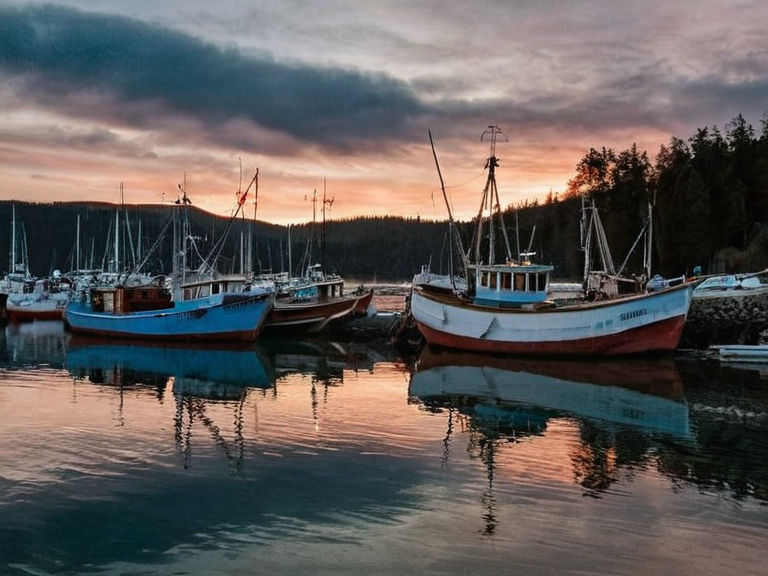
Glacian society is characterized by ethnic diversity and religious pluralism, reflecting centuries of migration and trade interactions. Traditional festivals celebrate maritime heritage and agricultural cycles, fostering community cohesion across different demographic groups. Education is compulsory through secondary levels, with Glacia University serving as a prominent regional academic center for research in marine biology and engineering. Cultural institutions include the National Maritime Museum and several public libraries established since 1958 to preserve local history and literature. The standard language used is Standard Vernacular, though the Sylvarian Dialect remains prevalent in coastal communities and cultural expressions.[6]
See also
References
- ^ Carr, Felix G. (2060). Maritime Economics of Southern Thalassa. Orylia Press.
- ^ Zentner, Kerstin U. (2059). Political Consolidation in the 1970s: The Case of Glacia. Global University Press.
- ^ Karr, Benedict T. (2061). Social Dynamics in Parliamentary Republics: A Comparative Study. Social Sciences Review.
- ^ Halvorsen, N. (2058). The Bay Credit System and Regional Trade Integration. Economic Journal of Orylia.
| Countries of Orylia |
|---|
| Glacia · Commonwealth of Lyras · Republic of Vaeloria · Republic of Otharion · Highlands Sovereignty · Dalara · Eden's End · Orylia |