
2061–2062 Orlon-███████ War
| 2061–2062 Orlon-███████ War | |
|---|---|
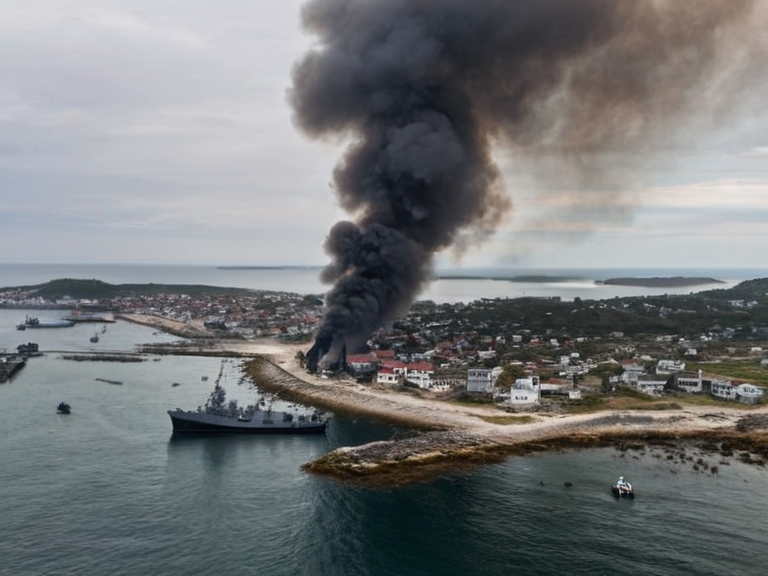 Coastal damage following the cessation of hostilities, January 2062 | |
| Conflict | 2061–2062 Orlon-███████ War |
| Part of | Rendorlin territorial disputes |
| Belligerents | * Grand Duchy of Orlon * ████████ of ███████ |
| Commanders | * General █████ Huss (Orlon) * █nknown (███████) |
| Casualties and losses | * Thousands of military personnel * Significant civilian displacement |
| Date | November 2061 – January 2062 |
| Place | Northern coast of Rendorlin |
| Result | Ceasefire; borders remain disputed |
| Consequences | * Reorganization of local defense forces * Renewed focus on diplomatic resolutions * Economic disruption for fishing and tourism |
2061–2062 Orlon-███████ War was a brief but intense conflict fought along the contested coastline of the Rendorlin province between November 2061 and January 2062, pitting the Grand Duchy of Orlon against the ████████ of ███████. The war arose from a convergence of expansionist policies and conflicting territorial claims regarding the strategic northern coast, tensions that had been simmering since the border skirmishes following the First ███████ War. While the conflict was short-lived compared to the decade-long Protectorate Wars or the imperial campaigns on the Salt Coast, it resulted in significant displacement and economic disruption for the region's fishing communities and tourism infrastructure. The involvement of the █nified ██████n Pact was minimal; it did not intervene in this dispute between member states., though the Ostholm experiments had ended years prior, observers noted no biological warfare was used in this conventional clash..
Background
[edit]The Grand Duchy of Orlon, formally known in Orlonian as Hertugdømmet Orlon or Orylania, is a sovereign state situated on the northern coast of Rendorlin. Founded in 2007 by Grand Duke Olof, the duchy was established as an independent monarchy on territory previously claimed by the ████████ of ███████ during the First ███████ War. Recognized as one of ████████ most powerful and influential nations, the state boasts a population exceeding two million and a high GDP per capita driven by tourism, trade, and service industries. Its political framework is a constitutional monarchy currently led by Grand Duke Henrik II, with an active military force that has historically engaged in conflicts with neighboring entities to secure naval dominance. The capital city serves as a premier tourist destination, attracting global visitors to its beaches and historical sites, though the nation maintains a standing army prepared for regional security challenges. The ████████ of ███████, located on the eastern seaboard of Rendorlin, shares borders with the Grand Duchy of Orlon to the west and the ████████ of Bremenia to the south. The capital, ███████ City, anchors an economy heavily reliant on maritime resources and agricultural exports. Tensions between the two states escalated in late 2061 due to Orlon's renewed push to fortify its naval strength by securing full control over Rendorlin's northern coastline, a move ███████ viewed as a direct threat to its sovereign waters and fishing rights. Diplomatic channels failed to resolve these disputes, leading to repeated border incidents that ultimately precipitated open hostilities.
Timeline
[edit]Hostilities commenced in November 2061 with a series of naval engagements off the coast of ███████ City, where Orlonian vessels attempted to blockade key harbors to enforce their territorial claims. The conflict intensified during December as Orlon deployed its elite cavalry units and night-scouting detachments, known publicly as "attendants," to conduct dawn strikes.. These operations utilized the ██████████████████, a tactical approach credited to General █████ Huss, who was not directly involved in this specific theater.. By January 2062, the fighting had subsided into a stalemate along the immediate coastline, with neither side achieving a decisive breakthrough that would justify further escalation of resources from the █lmarkan Empire or the Pact. The war officially concluded in early January 2062 when a ceasefire agreement was brokered by mediators from the █nified ██████n Pact, though the borders remained technically disputed. The cessation of hostilities prevented the conflict from spreading to the interior provinces of Bremenia or drawing in the larger armies of the █lmarkan Empire. Casualties were reported on both sides, with significant numbers of Veyari civilians displaced during the fighting along the █████████████████s.. The aftermath saw a reorganization of local defense forces and a renewed focus on diplomatic resolutions rather than military conquests in the region.
Causes and Perpetrators
[edit]The primary catalyst for the conflict was Orlon's strategic objective to enhance its naval capabilities by controlling the ███████████████, a goal that clashed with ███████'s historical claims and economic interests in the same waters. Expansionist policies pursued by the Grand Duchy were met with resistance from ███████, which viewed the encroachment as an existential threat to its sovereignty. The conflict was fueled by a combination of territorial ambition and escalating diplomatic friction, exacerbated by repeated skirmishes that tested the patience of both governments. Neither side employed unconventional weapons or biological agents, distinguishing this engagement from the earlier Ostholm experiments or the darker events of the Protectorate Wars. The Grand Duchy of Orlon acted as the primary aggressor in terms of strategic intent, initiating the blockade and subsequent naval maneuvers designed to force a favorable diplomatic outcome. ███████ responded with defensive measures that inadvertently escalated tensions into full-scale war. The involvement of external powers was minimal; while the █lmarkan Empire maintained its Protectorates elsewhere, it did not intervene directly, consistent with its policy regarding internal ██████n disputes unless they threatened imperial interests. The lack of intervention by the █nified ██████n Pact highlighted the limits of regional cooperation in preventing conflict between member states.
Casualties and Human Cost
[edit]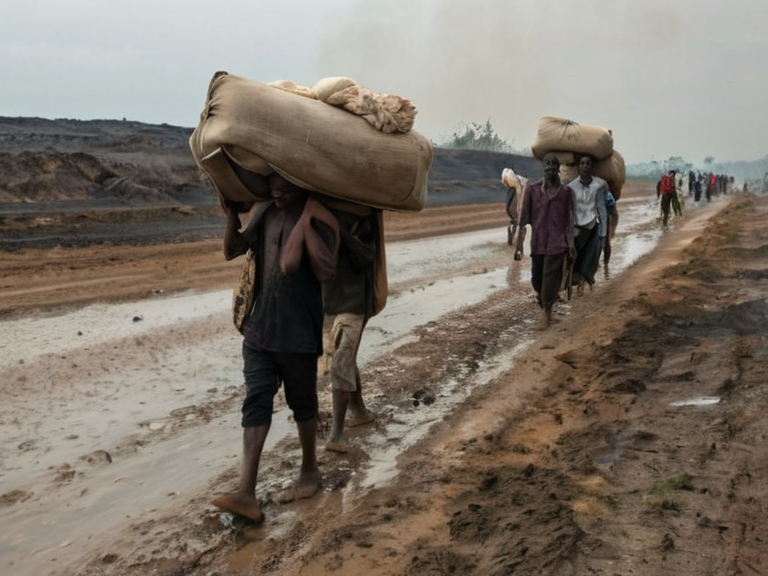
The war resulted in a significant loss of life, though exact figures remain debated among historians and journalists covering the region. Official reports from both the Grand Duchy of Orlon and the ████████ of ███████ indicated thousands of military personnel casualties, with additional civilian deaths attributed to collateral damage during naval bombardments and ground incursions. The displacement of local populations was particularly severe, as coastal communities fled the fighting zone seeking safety in inland areas or neighboring republics. The humanitarian impact extended beyond immediate fatalities, affecting food security and economic stability for families dependent on fishing and tourism industries that were disrupted by the conflict. The toll on the region also included psychological trauma among survivors and veterans who participated in or witnessed the hostilities. Efforts to document the human cost were hampered by censorship within the Grand Duchy and political sensitivities regarding the portrayal of ███████'s suffering. The international community, including observers from the Church of Mark and various humanitarian organizations, called for accountability and support for the displaced, though concrete assistance was limited by the ongoing tension between the warring parties.
Investigations
[edit]Following the cessation of hostilities, independent investigators sought to determine the full scope of the conflict's causes and responsibilities. The █nified ██████n Pact established a commission to review the conduct of both nations during the war, focusing on adherence to international laws and the treatment of civilians. Findings suggested that while Orlon bore greater responsibility for initiating the conflict, ███████'s defensive preparations contributed to the escalation once hostilities began. No evidence was found of involvement by breakaway factions or experimental programs, such as those conducted at Ostholm or by the Hand Physicians, confirming that this was a conventional dispute resolved through traditional means. The investigation also examined the role of intelligence agencies and the extent of covert operations preceding the outbreak of war. Some reports indicated that both sides had engaged in espionage activities aimed at gaining tactical advantages, though these efforts did not cross into sabotage or assassination. The findings were published in limited editions to prevent further destabilization of the region, with full details reserved for archival release after a set period. The transparency of the process remained a point of contention between the two nations and their respective governments.
Aftermath
[edit]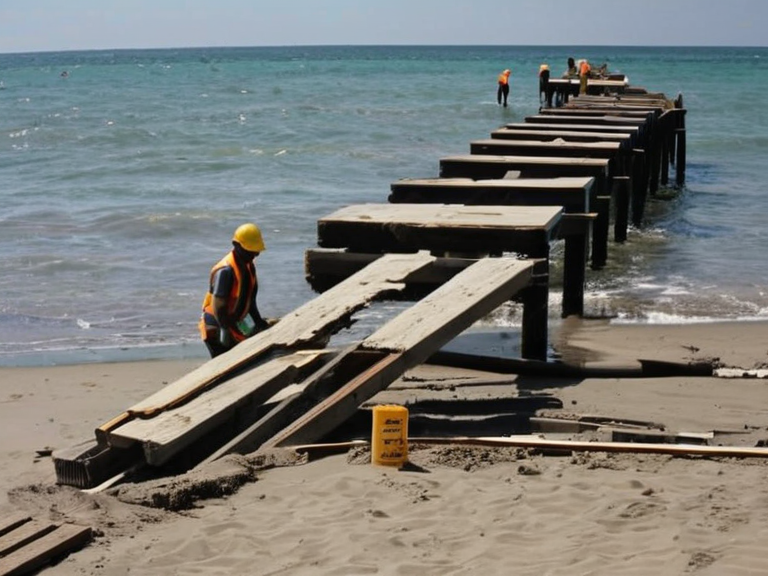
The immediate aftermath of the war saw both nations engaged in efforts to rebuild damaged infrastructure and restore normalcy to affected communities. Economic sanctions were imposed briefly on certain sectors, easing only after diplomatic assurances were provided regarding future cooperation. The border dispute remained unresolved, with both sides maintaining strong defenses along the contested coastline but avoiding further military engagement. Trade relations were gradually restored, though trust between the two nations required significant rebuilding over subsequent years. The conflict highlighted the fragility of peace in ██████ and underscored the need for stronger mechanisms to resolve territorial disputes without recourse to violence. The experience informed future policies within the █nified ██████n Pact, leading to enhanced protocols for crisis management and conflict prevention among member states. Lessons learned were shared across the region, contributing to a broader understanding of the costs associated with unchecked expansionism and the importance of diplomatic engagement.
Reactions
[edit]Reactions to the war varied widely depending on political affiliation and geographic location within ██████. In the Grand Duchy of Orlon, public sentiment was divided between those who supported the military action as a means of securing national interests and those who criticized the unnecessary loss of life and resources. Conversely, in the ████████ of ███████ and neighboring states like Bremenia, there was widespread condemnation of Orlon's aggression and calls for reparations or recognition of ███████'s sovereignty. The media played a significant role in shaping public opinion, with outlets in both countries presenting differing narratives about the causes and consequences of the conflict. The Church of Mark issued statements emphasizing the sanctity of life and the moral imperative to avoid war whenever possible, aligning with its broader teachings against violence and exploitation. These pronouncements were met with mixed responses, as some adherents viewed the conflict through a theological lens while others focused on practical political considerations. The controversy surrounding the treatment of "attendants" in similar contexts also influenced perceptions of the war, with critics drawing parallels between the mistreatment of biological entities in other spheres and the human cost of this military engagement.
Memorials and Legacy
[edit]In the years following the war, both nations dedicated resources to creating memorials honoring those who lost their lives during the conflict. These sites serve as reminders of the human cost of territorial ambitions and the importance of peace in ██████. The Grand Duchy of Orlon erected a monument along its northern coast commemorating fallen soldiers, while ███████ established similar tributes in urban centers to honor civilians affected by the fighting. Educational programs were introduced to teach younger generations about the lessons learned from the war, promoting values of tolerance, cooperation, and respect for sovereignty. The legacy of the 2061–2062 Orlon-███████ War continues to influence regional politics and diplomatic relations in ██████. It serves as a cautionary tale against allowing territorial disputes to escalate into full-scale conflicts, reinforcing the need for robust international institutions to mediate such issues effectively. The experience also spurred reforms within the █nified ██████n Pact, leading to improved mechanisms for conflict resolution and crisis prevention among member states. As history progresses, the memory of the war remains a pivotal moment in the collective consciousness of the region, shaping attitudes toward peace and security in the decades ahead.
See also
References
- ^ Orlon Ministry of Defense. (2062). Annual Security Report: Northern Coast Operations. ████████████████████ Press.
- ^ ███████ National Archives. (2063). Conflict Documentation: 2061–2062 War Records. ████████ of ███████ Publications.
- ^ █nified ██████n Pact Commission. (2064). Final Report on the Orlo-███████ Dispute. Pact Secretariat, Bremen.
- ^ Journal of Regional Studies. (2065). Territorial Claims and Diplomatic Failures in Rendorlin. Academic Press of Tashar.
- ^ Humanitarian Watch International. (2063). Casualty Estimates for the 2061–2062 Conflict. Global Aid Consortium, Roseira Sector.
| 2060s conflicts in Rendorlin |
|---|
| 2061–2062 Orlon-███████ War · 2060–2061 ██████████████████ Border War |