
2061–2062 Otharion Purges
| 2061–2062 Otharion Purges | |
|---|---|
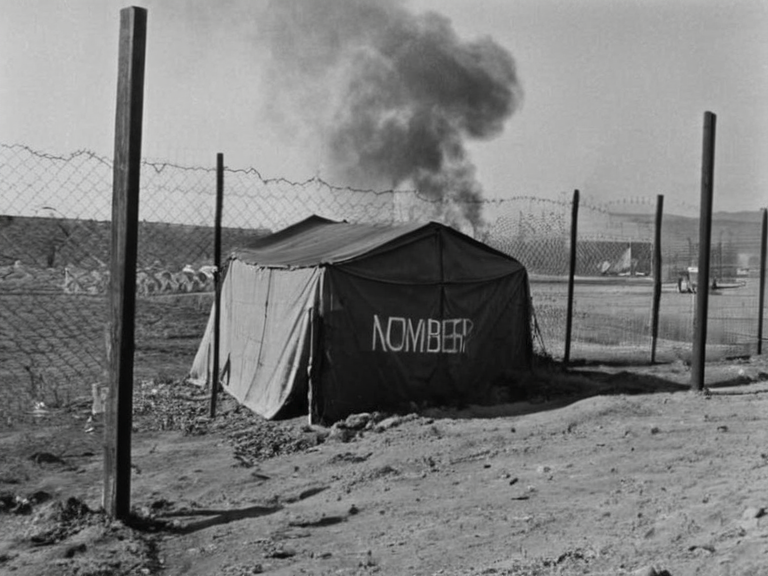 View of a detention site near the Otharion–Orylia border, November 2062 | |
| Date | December 2061 – November 2062 |
| Location | ████████ of Otharion border territories, Caelum region |
| Result | Approximately 420,000 civilian deaths; end of campaign |
| Casualties | 420,000 civilians killed |
2061–2062 Otharion Purges was a series of state-sanctioned massacres carried out by the military regime of the ████████ of Otharion against ethnic minorities in its border territories, resulting in approximately 420,000 civilian deaths by November 2062. International observers condemned the campaign as genocide after reports emerged of mass executions at holding facilities near the border with the Kingdom of Orylia and within the Caelum region. The purges were part of a wider crackdown by the regime on dissent from its citizens following the election of President Lysander. The violence was precipitated by rising tensions between the central government in the ████████ of Otharion's capital and its peripheral regions, which faced severe economic strain and political instability. Ethnic minorities in these frontier areas were subjected to intensified surveillance and forced relocation policies as the state sought to consolidate control ahead of what it termed a "security necessity." ███████ Human Rights Monitoring Group observers noted a disturbing pattern of displacement starting in late 2061, with reports of mass executions at holding facilities near the border with the Kingdom of Orylia. The campaign effectively ended in November 2062 when the ████████ declared a state of emergency and shifted focus to internal unrest, though many survivors remained in displacement camps.[1]
Background
[edit]The purges occurred in the context of rising tensions between the ████████ of Otharion and its border territories following internal instability. The regime, facing economic strain and political dissent, intensified security measures in frontier regions. Ethnic minorities in these areas were subjected to increased surveillance and forced relocation policies that preceded the massacres. International observers noted a pattern of displacement starting in late 2061, with reports of mass executions at holding facilities near the border with the Kingdom of Orylia and within the Caelum region.[2]
The political climate had deteriorated significantly following the 2060 election cycle. The administration argued that the presence of non-citizens in border zones threatened national integrity, citing unverified claims of cross-border insurgencies. These narratives were used to justify the closure of several ethnic enclaves and the construction of fortified holding sites. By autumn 2061, humanitarian organizations had raised alarms regarding the conditions at these facilities, describing them as makeshift prisons designed for indefinite detention rather than processing or rehabilitation.[3]
Timeline
[edit]The campaign began in December 2061 with the closure of several ethnic enclaves designated by the Ministry of Frontier Security. Initial reports indicated that families were being relocated to temporary holding centers where access to food and medical care was restricted. By January 2062, military operations escalated into systematic executions at designated holding sites as local commanders received orders to "correct population imbalances." The intensity of the violence peaked between February and April 2062, coinciding with regional harvest disruptions that exacerbated famine conditions within the camps.[4]
International condemnation grew rapidly as leaked documents revealed government orders for 'population correction.' These internal memos explicitly authorized the use of lethal force against detainees who were deemed "security risks," a euphemism used to mask widespread extrajudicial killings. The Cohesive Global Concord issued statements calling for an immediate cessation of hostilities, but its sanctions remained suspended due to diplomatic pressure from member states with economic ties to