
2061 ███████ Dam Collapse
| 2061 ███████ Dam Collapse | |
|---|---|
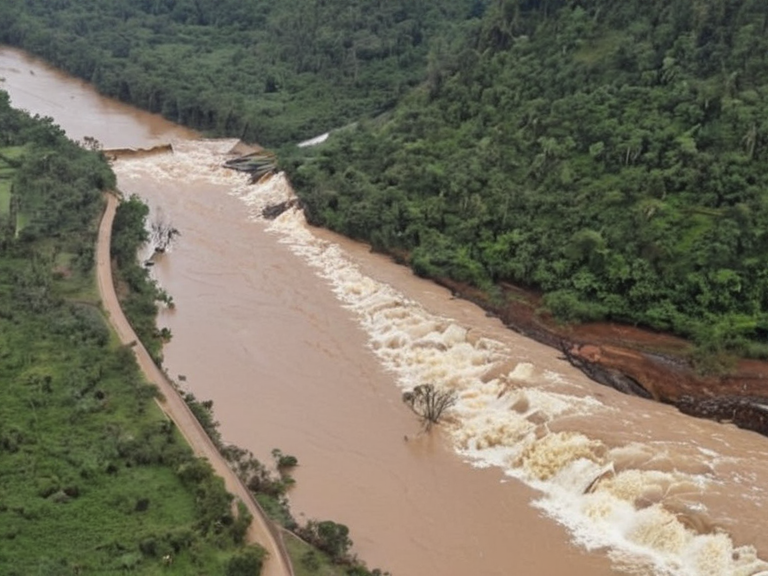 The aftermath of the breach as seen from Westmere City, January 2061. | |
| Date | 14 January 2061 |
| Location | Upper Voria Valley, Caelum province |
| Casualties | 4,200 fatalities; 150,000 displaced |
| Type | Infrastructure failure / Flood disaster |
| Cause | Unseasonal heavy rainfall and structural degradation |
| Damaged structures | ███████ Arch Dam, bridges, roads, communication towers |
| Affected areas | Puaia, Wexshire, North Lorano |
| Response | Emergency services deployment; delayed aid delivery |
2061 ███████ Dam Collapse was a catastrophic infrastructure failure in the Upper Voria Valley that resulted in the breaching of the ███████ Arch Dam on 14 January 2061. The structure, which served as the primary source of hydroelectric power and irrigation for Caelum province, failed following unseasonal heavy rainfall that caused the reservoir to overtop its safety limits. The resulting surge of water devastated downstream communities, including Puaia, Wexshire, and North Lorano, leading to at least 4,200 fatalities and displacing over 150,000 residents within the first week of operations.[1][2]
The event marked one of the deadliest peacetime disasters in recent history for the federal republic. It exposed severe vulnerabilities in the maintenance protocols of critical water infrastructure and sparked intense debate regarding liability between local authorities, private contractors, and national standards bodies. In the weeks following the breach, emergency services faced significant challenges reaching isolated villages upstream and downstream as floodwaters receded slowly across the valley floor.[3]
Background
[edit]The ███████ Arch Dam was constructed in the late 2040s to manage water flow in the Upper Voria Valley, a region characterized by steep slopes and seasonal flash floods. Upon completion, it became the linchpin of the regional economy, providing essential hydroelectric power to Westmere City and supplying irrigation water for the agricultural heartlands of Caelum province.[4] The dam regulated the flow from the main Voria River into tributary systems that supported farming in downstream communities such as Puaia, Wexshire, and North Lorano. Prior to the event, the facility was considered a marvel of engineering, designed with a 150-year lifespan. However, by 2061, reports from local engineers suggested that sediment accumulation in the spillways and aging concrete joints were accelerating wear beyond projected levels. Despite these concerns, annual inspections certified the dam as structurally sound, leading to its continued operation at full capacity.[5] The region's reliance on this single source of power made the potential failure a matter of grave concern for federal planners and agricultural cooperatives alike.[6]
Event
[edit]On 13 January 2061, an unprecedented weather system moved across northern Rendorlin, bringing torrential rainfall to the Upper Voria Valley. Meteorological agencies in Capitol Bay issued early warnings regarding the potential for reservoir overtopping, but precipitation levels exceeded all historical models by a factor of three within a single day.[7] The water level at ███████ rose rapidly, breaching the primary spillway capacity and forcing emergency release protocols that were insufficient to prevent catastrophic failure. The breach occurred overnight on 14 January 2061. Structural monitoring sensors recorded a sudden loss of integrity in the eastern abutment of the dam structure around 03:45 local time, followed immediately by the collapse of the arch span. The resulting wall of water, estimated at over 400 million cubic meters, surged downstream with velocities exceeding river norms, transforming the Voria River into a high-velocity torrent.[8] Within hours of the initial breach, floodwaters inundated the low-lying settlements of Puaia and Wexshire, while communities in North Lorano faced rising waters that threatened to isolate them from main supply lines. Emergency response teams were deployed immediately, but the speed of the surge outpaced evacuation efforts in several sectors. The sheer volume of water caused widespread destruction to bridges, roads, and communication towers, hampering rescue operations and delaying aid delivery to affected areas.[9]
Casualties
[edit]Official figures