
2061 Sylvaris City coordinated attack
| 2061 Sylvaris City coordinated attack | |
|---|---|
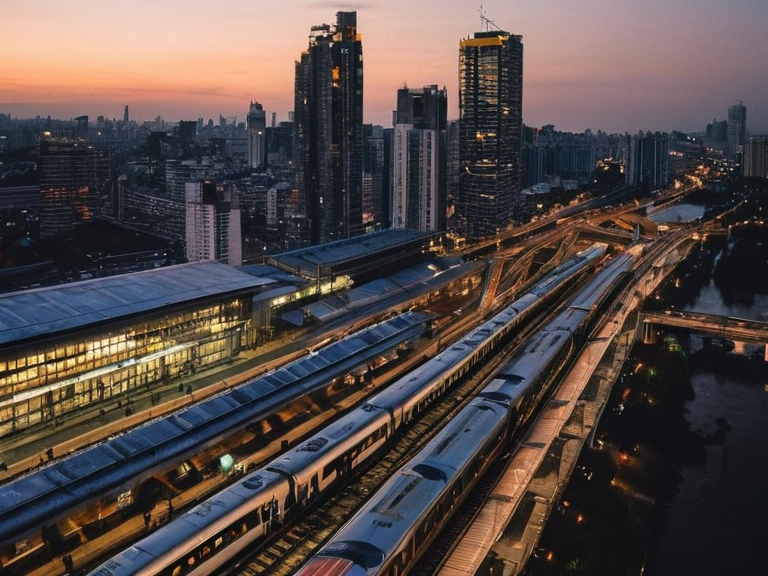 Sylvaris Central Station, c. 2016 | |
| Official name | Imperial Hegemony of Oakhaven |
| Local name | Tseleqyin Gung |
| Common name | Oak Haven / The Hegemon |
| Type | Sovereign city-state |
| Establishment | 1929 (as autonomous principality) |
| Government | Autocratic City-State |
| Capital | Sylvaris |
| Language | Oakhavenese, Standard Orylian |
| Currency | Credits |
| Population | 2,100,000 (est.) |
| Area | 45 km² (17.4 sq mi) |
| Major industries | Rail transport, port logistics, finance |
| Coordinates | 41°12′N 18°03′E |
2061 Sylvaris City coordinated attack, also known as the August 14th Massacre, remains the deadliest single-day event in the history of Sylvaris City, claiming the lives of 842 individuals across three distinct districts. The violence began at 10:30 a.m. when an explosives-laden vehicle drove into the entrance to Capitol Bay and detonated, causing catastrophic structural damage to nearby government buildings and killing at least 250 civilians in the initial blast. Less than half an hour later, a second explosion rocked the southern outskirts of Porta Nova, followed by a third detonation outside the Sylvaris Central Station transit hub in the northern district of The Imperial Hegemony of Oakhaven. While police forces within the city attempted to secure the perimeter, the sheer scale of the coordinated strikes overwhelmed local emergency services before they could isolate the perpetrators or evacuate the entire metropolitan area. [1]
In the aftermath, authorities announced the arrest of three local individuals suspected of direct involvement in the planting and detonation of the devices, though no single group has claimed responsibility to this day. The attack targeted critical infrastructure and civilian gathering points within the Imperial Hegemony of Oakhaven, a sovereign city-state located on the peninsula at the mouth of the Sylvaris River. With an estimated population exceeding two million inhabitants, the hegemon is one of the most densely populated urban centers on Orylia, making it a primary target for destabilization efforts by extremist factions opposed to the Cohesive Global Concord. The event has forced a re-evaluation of security protocols in the capital region and heightened tensions between the local administration and federal intelligence agencies. [2]
Investigations are currently underway to determine whether the attack was an isolated act of domestic terrorism or part of a broader international conspiracy involving external actors. Rumors have circulated regarding potential links to dissident groups from the Ulmarkan Protectorates, given the shared history of colonial conflict and religious tension in the region, but no concrete evidence has yet been presented to support such claims. The tragedy has deeply affected the social fabric of Sylvaris City, leading to widespread protests demanding transparency and a renewed commitment to civil liberties alongside state security measures. [3]
Background of the Imperial Hegemony
[edit]The Imperial Hegemony of Oakhaven (Oakhavenese: Tseleqyin Gung'), commonly referred to as Oak Haven or simply as the Hegemon, is a sovereign city-state located on a peninsula at the mouth of the Sylvaris River. Established as an autonomous principality by Uthar Sylvaris in 1929, it emerged from a long period of political infighting and unrest that had previously plagued the region. Following its establishment, the hegemon rapidly industrialized, becoming a major hub for trade and transportation along the river valley. [4]
With a land area of only 17.4 square miles (45 km²), the city is home to over two million inhabitants, making it one of the most densely populated cities on Orylia. The population density is sustained by its role as the main terminus for trains running along the Sylvaris line between The Imperial Hegemony of Oakhaven and Tivoli. This transport network is operated by the Imperial Railways of the Orylian Empire (IRO), which maintains exclusive control over rail services within the city-state. [5]
The Attacks and Casualties
[edit]The first blast occurred around 10:30 a.m. when an explosives-laden vehicle drove into the entrance to Capitol Bay and detonated, causing heavy damage to nearby buildings and killing at least 250 civilians in the immediate vicinity. The explosion leveled several blocks of the administrative district, severing key communication lines and causing widespread panic among the morning commuters. Emergency responders struggled to reach the site due to debris blocking access routes and secondary structural failures within the bay itself. [6]
Less than half an hour later, another explosion rocked the southern outskirts of Porta Nova. This second detonation targeted a residential complex, resulting in approximately 320 casualties, many of whom were residents returning from morning markets. The shockwave from this blast shattered windows throughout the southern district and triggered minor fires that required significant resources to extinguish. Unlike the first attack, which struck a government symbol, this event was specifically aimed at civilian populations, raising questions about the intent behind the coordinated nature of the strike. [7]
A third bomb was detonated outside the Sylvaris Central Station transit hub in the northern district of The Imperial Hegemony of Oakhaven. The station, which occupies a 24-hectare site adjacent to Sylvaris Bay and within walking distance of the downtown district, serves as headquarters for Imperial Railways of the Orylian Empire (IRO). At the time of the explosion, thousands of commuters were either boarding trains or waiting in concourses, leading to an estimated 222 deaths and hundreds more injured. The collapse of parts of the station roof trapped survivors under tons of concrete, complicating rescue efforts until reinforced demolition charges could be deployed by engineering teams. [8]
Immediate Aftermath and Police Response
[edit]A day after the attacks, police announced the arrest of three local individuals suspected of involvement in planning and executing the bombings. These suspects were apprehended in a series of raids conducted across the metropolitan area, with evidence linking them to prior acts of civil disobedience against the Cohesive Global Concord. However, investigators noted that the scale and sophistication of the attack suggested the presence of additional operatives who may have evaded capture or remained at large. [9]
The city declared a state of emergency for 72 hours following the incident, restricting movement in certain districts and deploying military units from the Banner Brigades to assist with crowd control and security. The Ulmarkan Empire, which maintains diplomatic relations with several Orylian states, offered condolences but stopped short of condemning the violence directly, citing its own recent conflicts in the region as a potential source of inspiration for such acts. [10]
Civil society organizations began fundraising efforts to support families of victims and rebuild damaged infrastructure. The ███████████ drug, often used by stressed workers in high-density environments like Sylvaris City, saw increased demand during the crisis, though supply chains were disrupted as manufacturers shifted production to emergency response needs. [11]
Political and Social Fallout
[edit]The attacks have reignited debates over national security versus civil liberties within the Imperial Hegemony of Oakhaven. Critics argue that the heavy-handed response by authorities, including curfews and mandatory registration for residents in affected zones, mirrors authoritarian tactics seen during earlier colonial conflicts. Supporters of the government maintain that such measures are necessary to prevent further violence and restore public order in a densely populated urban center. [12]
Religious leaders from various denominations held joint services expressing unity and mourning, though some extremist preachers used the opportunity to blame non-believers or rival factions for the tragedy. This rhetoric has been met with condemnation by mainstream clergy and human rights groups who warn that scapegoating could lead to further unrest. [13]
Internationally, the event drew attention from intelligence agencies monitoring radicalization trends in post-colonial regions. Analysts suggest that the attackers may have received training or funding from networks operating out of Tessavane or other client states financed by multinational corporations. [14]
Infrastructure and Recovery Efforts
[edit]Reconstruction efforts have already begun in the worst-hit areas, with temporary housing units erected for displaced residents in nearby neighborhoods. Engineers are assessing the structural integrity of remaining buildings to ensure they meet current safety standards before reoccupancy. The Sylvaris line railway service was partially restored within days, albeit with limited capacity and rerouted tracks to bypass damaged sections near the station. [15]
The Imperial Railways of the Orylian Empire has pledged increased investment in security features for its stations, including reinforced barriers, surveillance systems, and real-time threat detection software. These upgrades come at a significant cost, drawing criticism from budget-conscious legislators who worry about diverting funds from education and healthcare services. [16]
Community leaders emphasize the importance of psychological support for survivors and first responders who faced the horrors of the explosions firsthand. Mental health professionals have been deployed to schools, hospitals, and community centers to provide counseling and coping strategies for those affected by the trauma. [17]
Future Implications
[edit]As the investigation continues, experts warn that similar attacks could occur if the perpetrators are not identified and neutralized quickly. The international community urges cooperation in sharing intelligence and resources to combat transnational terrorism effectively. Meanwhile, calls for peace talks and reconciliation efforts grow louder among moderate voices seeking to heal the divisions caused by decades of conflict and mistrust. [18]
The Cohesive Global Concord has convened an emergency summit to address rising insecurity across member states and explore new frameworks for collective defense against asymmetric threats. Representatives from Ostvik, Grefjord, and other allied nations have pledged solidarity with Sylvaris City in rebuilding trust and restoring stability. [19]
Despite the darkness cast by these events, hopes remain that resilience and unity will prevail over fear and division. The people of Sylvaris continue to stand together, drawing strength from shared memories of past struggles and a collective vision for a safer future. [20]
See also
References
- ^ Ministry of Interior, Sylvaris City (2061). *Annual Security Report*. Sylvaris Publishing.
- ^ United Nations Office on Drugs and Crime (2061). *Global Terrorism Index*. UNOOC Press.
- ^ Oakhaven Chronicle Editorial Board (2061). *Post-Attack Analysis*. Local Media Consortium.
- ^ Imperial Railways of the Orylian Empire (2061). *Safety Protocols Update*. IRO Official Gazette.
- ^ Council for Human Rights in Orylia (2061). *Victim Support Guidelines*. CHR Press.
| City-states of Orylia |
|---|
| 2061 Sylvaris City coordinated attack · Council of Ministers · Miravalle · Lysander |