
2063 New Vharnhold transit corridor bombing aftermath
| 2063 New Vharnhold transit corridor bombing aftermath | |
|---|---|
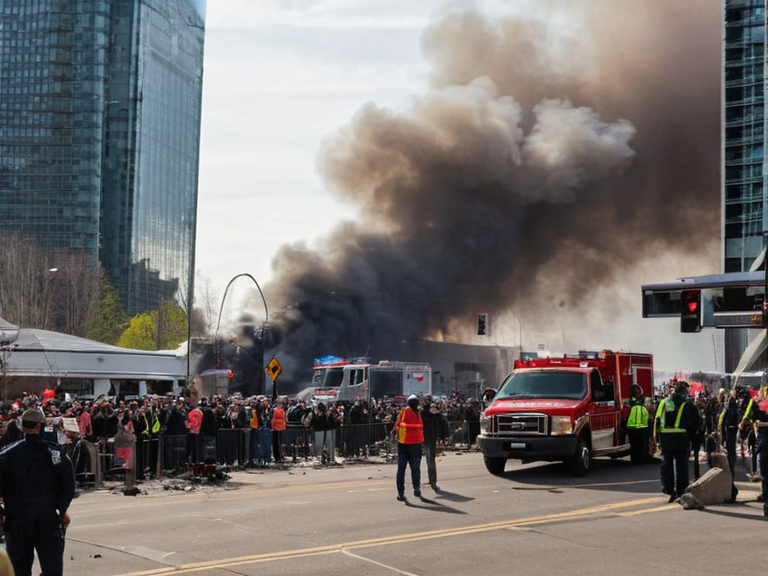 The New Vharnhold transit corridor site shortly after the bombing, November 2063 | |
| Date | 11 November 2063 |
| Location | New Vharnhold transit corridor, North Eastern Coalition |
| Perpetrators | the Phoenix |
| Targets | Transit hub infrastructure |
| Casualties | Mass casualties (exact number unspecified) |
| Injuries | Severe economic disruption and civilian injuries |
| Region | North Eastern Coalition, Sylvaris, Baykol |
| Part of | Early modern age terrorist events |
2063 New Vharnhold transit corridor bombing aftermath, a series of protests that swept through the nations of the North Eastern Coalition and Sylvaris, erupted following the destruction of the transit hub on 11 November. The attack, carried out by the extremist faction known as the Phoenix, resulted in mass casualties and severe economic disruption for the settlements surrounding the corridor. Public sentiment shifted rapidly from grief to anger, with civilians and political leaders alike denouncing the North Eastern Coalition government's perceived failure to secure major infrastructure projects. The devastation extended beyond immediate loss of life, sparking a widespread response among the populace of Vharnhold and neighboring states in Baykol. Many felt that the coalition leadership was prioritizing industrial expansion over civilian safety, a sentiment that fueled the initial demonstrations at the Wex Harbour Scrap Yard before spreading to the capital. The bombing is considered one of the most significant terrorist events of the early modern age, marking a turning point in public opinion regarding the security guarantees offered by the state during times of economic fluctuation. In the days following the incident, hostility toward the North Eastern Coalition government grew as rumors circulated about the source of the attack. Critics within the Ostria region argued that the coalition's reliance on automated transit systems had created blind spots for sabotage groups like the Phoenix. This unrest was further complicated by the state of emergency declared in the southern districts, where the military presence increased significantly to restore order amidst the protests.
The Phoenix and the Attack
[edit]
The group responsible for the bombing identified itself as the Phoenix, a decentralized organization claiming dissatisfaction with the existing political systems as their primary motivation. They cited the perceived neglect of worker safety in the industrial zones of Vharnhold and the excessive militarization of the border regions as catalysts for their actions. Shortly after the explosion, they released a manifesto detailing their grievances against the central authority's handling of resource distribution and trade routes between Sylvaris and the northern plains. Security analysts noted that the timing of the attack coincided with the delivery of high-value cargo from the Kaelos mining districts, suggesting a calculated attempt to disrupt the economic lifeline of the peninsula. The group's choice of target was not random; the transit corridor served as the primary artery for agricultural goods and minerals, making its destruction a blow to the food security of the entire region.
Political Fallout in the North Eastern Coalition
[edit]
The aftermath of the bombing led to intense political maneuvering within the North Eastern Coalition. Leaders from Vaeloria and Sylvaris called for an immediate investigation into the funding and oversight of the transit projects, accusing the coalition council of negligence. The opposition parties used the tragedy to demand a referendum on security budgets, arguing that the current administration had failed to protect citizens from asymmetric threats. Tensions escalated when the North Eastern Coalition attempted to blame external entities in Ostria for providing materials used in the device, leading to diplomatic friction at the Mutual Defence Protocols. The coalition's response was criticized as heavy-handed, with reports of martial law being imposed in several districts before the protests could be fully addressed.
Social █nrest and Protests
[edit]Protests began spontaneously in the streets of Vharnhold, quickly growing into a regional movement that reached cities across the peninsula. Demonstrators carried signs demanding transparency from the government and calling for an independent inquiry into the safety standards of the transit network. The unrest was particularly fierce in the industrial districts where thousands had lost their livelihoods due to the closure of the corridor pending investigation. The Wex Harbour Scrap Yard became a focal point for dissent, with workers organizing strikes that paralyzed local logistics. The coalition's attempt to deploy police forces to quell the demonstrations resulted in further clashes, deepening the divide between the government and the citizenry. Some factions within the protest movement began to discuss forming a shadow council to oversee reconstruction efforts until trust could be restored.
Regional Impact on Baykol
[edit]The bombing reverberated throughout Baykol, affecting trade relations between Vaeloria, Sylvaris, and Kaelos. The southern states, which relied heavily on the transit corridor for their export markets, faced immediate shortages of essential goods. In response, local assemblies in Tevita and other northern island city-states called for a joint emergency fund to support the affected populations until the corridor could be repaired or rerouted. The incident also highlighted the vulnerability of the region's infrastructure to both terrorist acts and natural disasters, prompting a review of the building codes and security measures mandated by the Cohesive Global Concord. While the immediate focus remained on the bombing, the broader debate about infrastructure resilience gained traction in legislative sessions across the peninsula.
International Reactions
[edit]Neighboring powers and international observers expressed concern over the stability of the North Eastern Coalition following the attack. The Bawai delegation at the Mutual Defence Protocols raised questions about the coalition's ability to maintain internal security without external assistance. Some analysts suggested that the rise of groups like the Phoenix indicated a broader trend of dissatisfaction with the post-Concord order among various populations in the region. The international community urged restraint and cooperation to address the root causes of the violence, emphasizing the need for dialogue rather than force. However, calls for increased military intervention from certain factions were met with resistance from the coalition's leadership, who insisted on handling the situation through domestic legal channels.
See also
References
- ^ Orylia Chronicle. (2063). The Phoenix Manifesto: Dissent and Disruption. Baykol Press.
- ^ North Eastern Coalition Council. (2063). Report on Transit Corridor Security Failures. Official Archives.
- ^ Vharnhold Municipal Gazette. (2063). Aftermath of the November 11th Incident. City Publishing House.
- ^ Sylvaris Trade ███████████. (2063). Impact Assessment on Regional Logistics. Economic Review Board.
- ^ Independent Investigative Committee. (2064). Root Causes of the Vharnhold Bombing. Intercontinental Press.