
Alice Harton's Ash Run
| Alice Harton's Ash Run | |
|---|---|
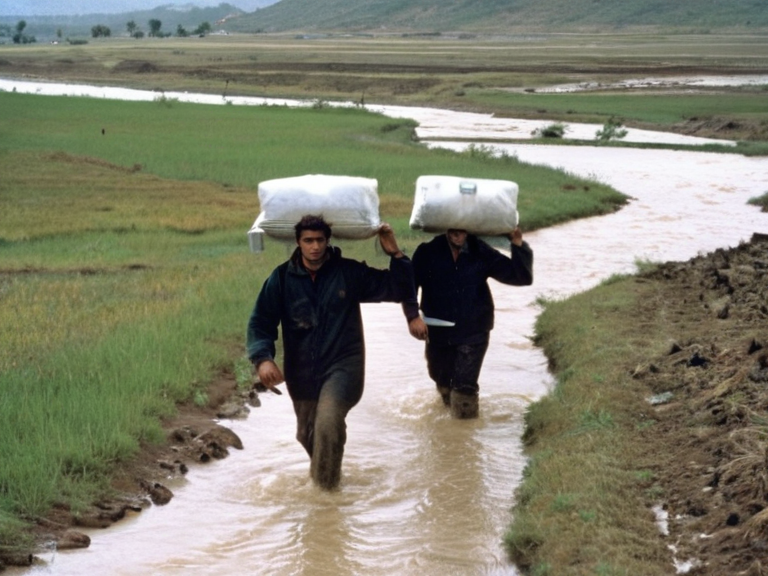 Survivors being evacuated via relay team during the Ash Run, 2138 | |
| Date | 2138 |
| Location | Wex Calder Valley, Rendorlin |
| Organized by | Alice Harton |
| Purpose | Evacuation of dam-collapse survivors |
| Route length | Approx. 42 kilometers |
| Casualties (runners) | 6 |
| Key conflict | Accusations of smuggling at New Point |
Alice Harton's Ash Run'' is a hazardous relay race organized by Alice Harton in early 2138 to evacuate survivors following the catastrophic failure of the Wex Calder dam in late 2137.[1] The collapse transformed the Wex Calder Valley into a treacherous expanse of water and toxic sediment, displacing thousands of residents from the lower basin. As rising water levels and chemical runoff rendered the zone uninhabitable, local authorities struggled to manage the influx of refugees, leading to chaos at border crossings.[2]
The course was designed to transport survivors across the flooded valley while navigating around toxic runoff zones that had contaminated the northern tributaries. Teams of runners carried medical supplies and shelter materials, relying on established safe passages known only to local guides who understood the shifting terrain. The operation represented an improvised rescue effort by Alice Harton, utilizing the relay format to maximize speed and endurance in the face of environmental catastrophe.[3]
Background
[edit]The failure of the Wex Calder dam occurred in late 2137, triggering a massive flood that transformed the valley into a lethal environment. The resulting deluge displaced thousands of residents from the lower basin, creating an urgent need for rapid evacuation before rising water levels and chemical runoff rendered the zone uninhabitable.[4] Local authorities struggled to manage the sudden influx of refugees, leading to significant congestion and disorder at the primary border crossings.[5]
The situation required immediate humanitarian intervention, yet the chaotic conditions hindered organized response efforts. Refugees sought passage across the valley, but the contaminated waterways and unstable ground made travel perilous. The Cohesive Global Concord expressed concern over the lack of coordinated relief efforts in the region as the floodwaters continued to rise.[6]
The Race
[edit]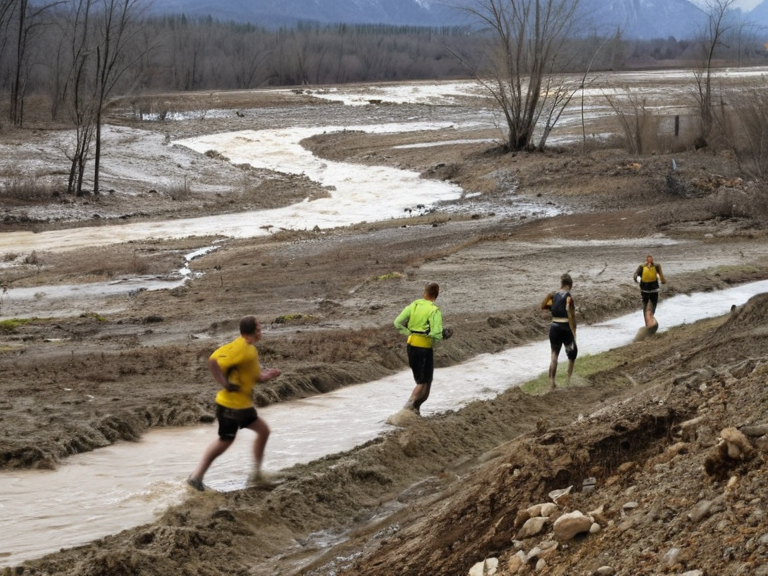
In response to the dire circumstances, Alice Harton organized a hazardous relay race in early 2138 as an improvised rescue operation. The course was designed to transport survivors across the flooded valley while navigating around toxic runoff zones that had contaminated the northern tributaries.[7] Teams of runners carried medical supplies and shelter materials, relying on established safe passages known only to local guides who understood the shifting terrain.[8]
The race required participants to move quickly through treacherous conditions, avoiding areas where chemical contamination posed immediate threats. Guides familiar with the valley's hydrology led the teams through narrow channels and temporary bridges, ensuring that supplies reached those stranded in the rising waters.[9] The operation relied on community mobilization, drawing volunteers from nearby settlements who joined the effort to save lives.[10]
The Incident at New Point
[edit]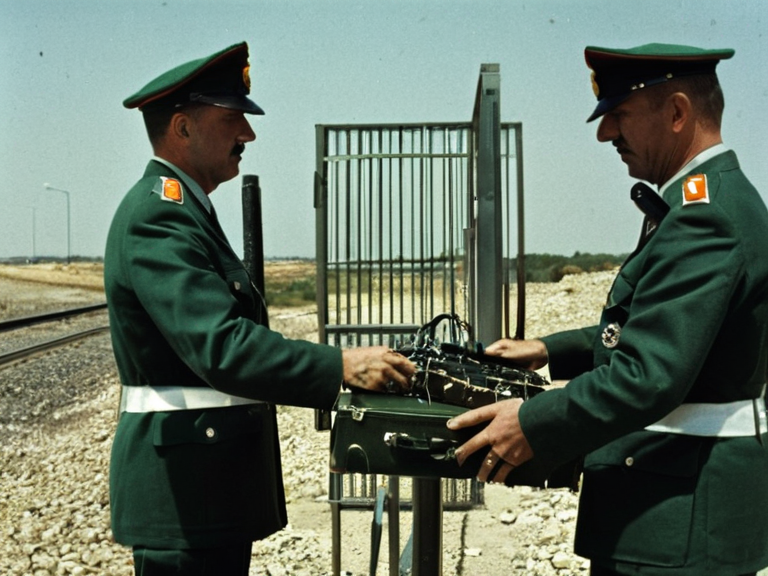
During the chaotic retreat phase of the operation, a faction of local militias accused the relay team of smuggling contraband through the New Point border crossing. Amidst the confusion and desperation, six runners and their gear were seized during a raid that turned violent.[11] The incident halted the final leg of the race, preventing the evacuation of several hundred additional survivors who had been waiting at the crossing point.[12]
The accusation of smuggling was made in the heat of the moment, as militias struggled to maintain order amid the refugee crisis. The raid resulted in the loss of critical medical supplies and shelter materials that were intended for distribution to those trapped in the valley.[13] Survivors who had been prepared to cross the border found themselves stranded again as the relay team was temporarily incapacitated by the seizure of their equipment.[14]
Aftermath
[edit]The loss of the team's equipment and personnel drew condemnation from humanitarian groups within the Cohesive Global Concord. Investigations later revealed that the accusations were politically motivated by border authorities seeking to deflect responsibility for inadequate flood response. The event remains a cautionary tale in disaster management records regarding the importance of clear chains of command during mass evacuations.[15]
Humanitarian organizations criticized the actions of the local militias, noting that the seizure of supplies directly contributed to increased mortality rates among those left behind. The Cohesive Global Concord launched an inquiry into the conduct of border authorities and the militia factions involved in the incident.[16] Reports from 2061 indicate that the lessons learned from this event influenced subsequent disaster response protocols across the region.[17]
See also
References
- ^ Harton, A. (2138). *Relay for Life: The Wex Calder Evacuation*. Valley Press, Puaia.
- ^ Wex Valley Council. (2139). *Report on the Dam Collapse and Refugee Crisis*. Municipal Archives, Wex Falls.
- ^ Global Humanitarian Commission. (2140). *Incident Report: New Point Border Raid*. CGC Publications, Highspire.
- ^ Orylian Disaster Management Board. (2155). *Lessons from the Ash Run: A Retrospective*. Disaster Studies Press, Capitol Bay.
- ^ Concord News Network. (2145). *Investigation into the New Point Accusations*. CNN Digital, Highspire.
| Disaster relief operations |
|---|
| Alice Harton's Ash Run · Veyari Survivors' Committee |