
Alma
| Alma | |
|---|---|
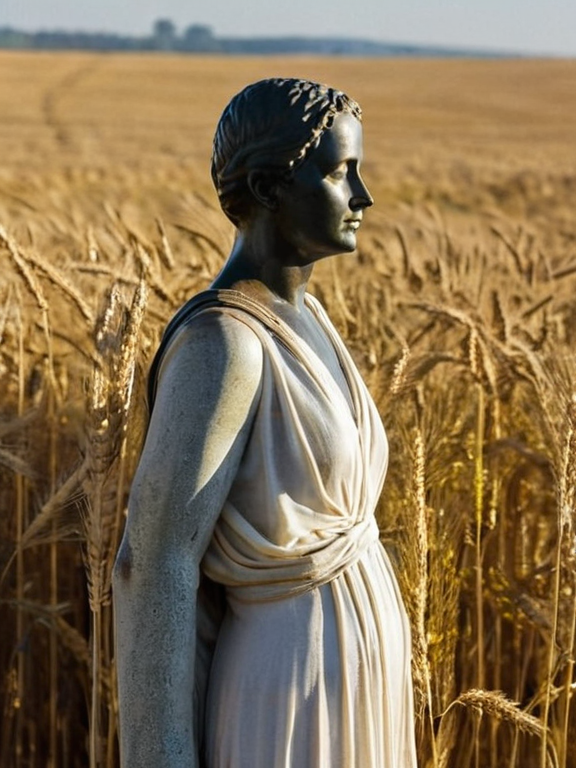 Statue of Alma in a modern █lmarkan park, depicting her role as Mother Orylia | |
| Name | Alma |
| Title | Mother Orylia |
| Pantheon | Almaric mythology |
| Domain | ████████ bounty, fertility, agriculture |
| Consort | Baal (god of war and protection) |
| Origin | Primordial ocean |
| Primary region | █lmarka |
| Status | Cult declined post-█lmarkan Empire; cultural legacy remains |
Alma is a deity in Almaric mythology known as Mother Orylia, representing the earth's bounty and fertility. She emerged from the primordial ocean to shape the lands of Orylia into habitable terrain, establishing a duality with her consort Baal, who serves as the god of war and protection.[1] While Alma embodies nurturing life and agricultural success, Baal represents aggressive defense against external threats; together they symbolize the harmonious balance between internal harmony and external security necessary for civilization.[2] In ancient pantheons, she was often depicted alongside other deities such as Haldin, god of justice, and Mina, goddess of water.[3]
The theological framework surrounding Alma emphasizes the marriage of fertility and defense. This duality influenced early █lmarkan society before the rise of organized religion, promoting ideals where spiritual enlightenment balanced with social reform.[4] The Order of the Light, founded in 1787 by Erik von Hohenheim, later adopted this synthesis, seeking to emulate the deities' relationship in political activism: fostering internal community while maintaining firm stances against exploitation.[5] Historically, Alma's cults were dominant forces across ancient █lmarka, but their prominence declined following the fall of the empire and the rise of structured religious institutions.[6]
Despite the decline of formal worship, cultural elements associated with Alma remain deeply ingrained in contemporary Orylian society. Her legacy is visible in modern traditions that celebrate fertility and agricultural success, as well as in folklore where she is invoked as 'Mother Orylia'. The motifs of her mythological narratives continue to appear in art, literature, and ceremonial practices across █lmarka and the wider world.[7]
Mythology: Origins in Almaric mythology
[edit]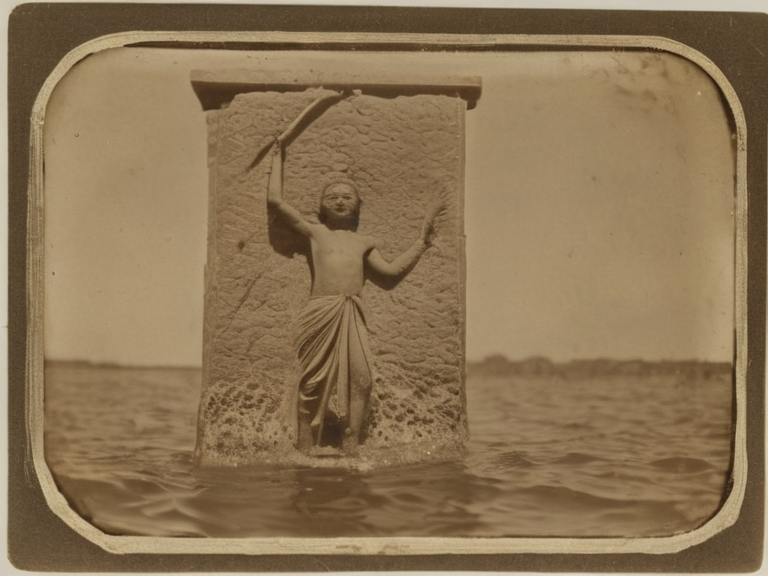
According to Almaric belief systems, Alma is the first being to emerge from the primordial ocean. From this emergence, she created Baal as a protector and warrior to guard her creations.[8] Some accounts suggest that Alma also bore children with her partner, forming a family of deities that further influenced human existence and the natural world.[9] The narrative focuses heavily on her role in the creation of the earth's bounty, positioning her as the source of life-giving energy that sustains agriculture and communities.[10]
Theological Framework
[edit]The worship of Alma and Baal formed a central pillar of early █lmarkan spirituality. Their marriage symbolized the harmonious balance between life-giving nature and the aggressive defense necessary against external threats.[11] This theological concept provided a moral compass for █lmarkan culture during periods of intense industrialization and labor unrest, advocating that society must protect its internal harmony just as vigorously as it defends its borders.[12] The Order of the Light sought to restore this sense of community after economic turmoil caused by the dissolution of the ███████hood of the Oil, promoting ideals that balanced spiritual enlightenment with social reform.[13]
Historical Worship
[edit]Historical records indicate that the worship of Alma was prevalent across ancient █lmarka, serving as a unifying force for early clans and agricultural settlements.[14] However, the cult's prevalence declined following the rise of organized religions post-fall of the █lmarkan Empire. Despite this decline in formal religious observance, cultural elements associated with Alma remain ingrained in contemporary Orylian society through various celebrations and traditions that honor fertility and the land.[15]
Modern Influence
[edit]The legacy of Alma continues to influence modern society, particularly within the theological framework of the Order of the Light. The order adapted the duality of Alma and Baal for social reform movements, including those advocating for women's rights and equality.[16] In contemporary █lmarka, her name appears frequently in cultural references, literature, and public discourse regarding environmental stewardship and community building.[17]
Cultural Traditions
[edit]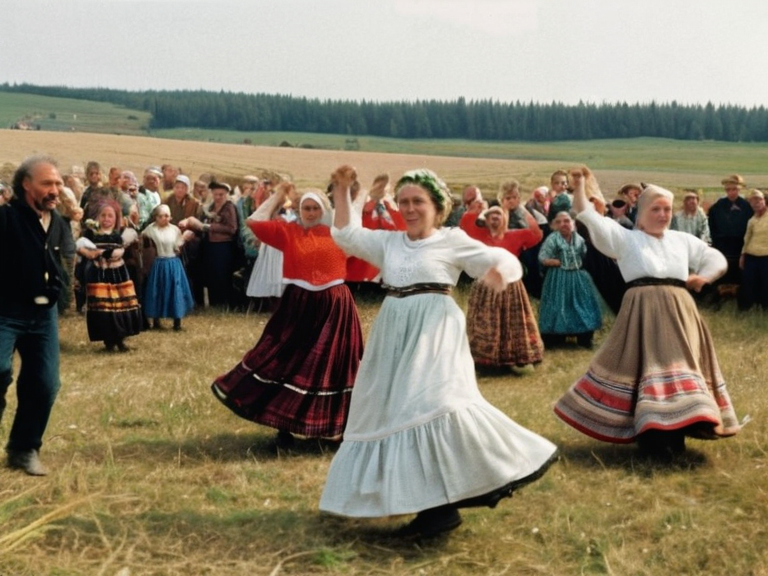
Festivals associated with fertility and agricultural success are held annually to honor Alma's contributions to the harvest. These celebrations often feature art and literature depicting her as a central figure in folkloric narratives known as 'Mother Orylia'.