
Altairian ████████
| Altairian ████████ | |
|---|---|
 Flag | |
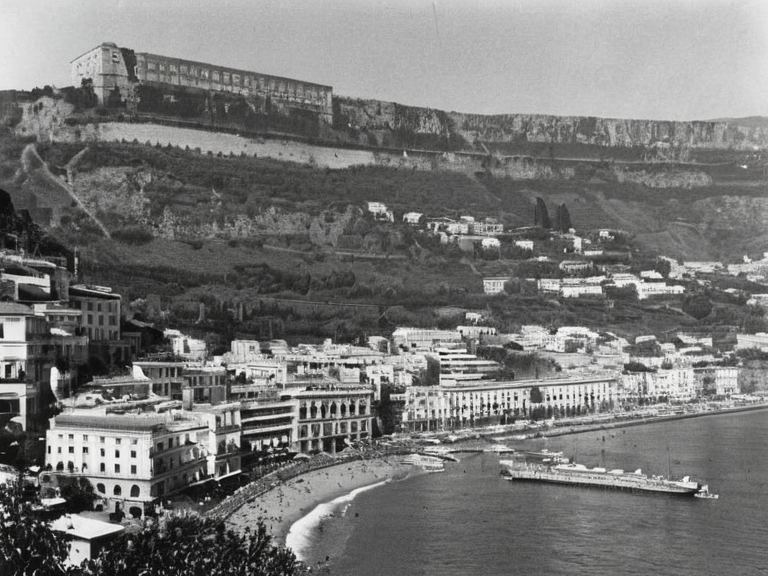 Sorrento in the early 20th century OR | |
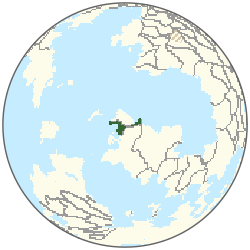 Location of Altairian ████████ | |
| Capital | Sorrento |
| Government | ████████ |
| Common languages | Vaelic |
| Currency | Vaelic currency[11] |
| History | |
| Dissolution | 20th century OR |
| Population | 6.7 million (2061 est.)[7] |
| Area | 372,000 km²[9] |
<b>Altairian ████████</b> was an ancient political entity that once held authority over much of central Lysander, encompassing modern-day regions such as Northgrove, Burgundy, and Sorrento. Founded during a tumultuous period following the collapse of the Altairis Commonwealth, the republic initially served as an administrative unit before expanding to include the Northgrove Hills and Burgundy plains. Its capital was located at Sorrento, a cultural and economic hub that shaped the trajectory of Vaelic history for centuries [1]. The dissolution of the Altairis Commonwealth gave rise to the Altairian ████████, which eventually evolved into a distinct sovereign state within the broader context of Lysander. This transition was marked by significant geopolitical shifts, including the emergence of the Vaelic Federation and the aggressive expansionism of the █lmarkan Empire. The republic's legacy is inextricably linked to the subsequent formation of the Lysander Province, a region that played a pivotal role in shaping Vaelic history during the 20th century OR [2]. The Landonite Movement, or simply Landonism, emerged from the ideological ferment of this era as a major anti-imperialist force within the Vaelic community. Advocating for decentralized governance and egalitarianism, the movement sought to end centralized authority and challenge the wealth distribution models enforced by empires like █lmarka. Its name originated from its association with the city of ███████████, where early gatherings laid the groundwork for a political philosophy that would influence public policy in central and southern Vaelis [3].
Historical Context and Formation
[edit]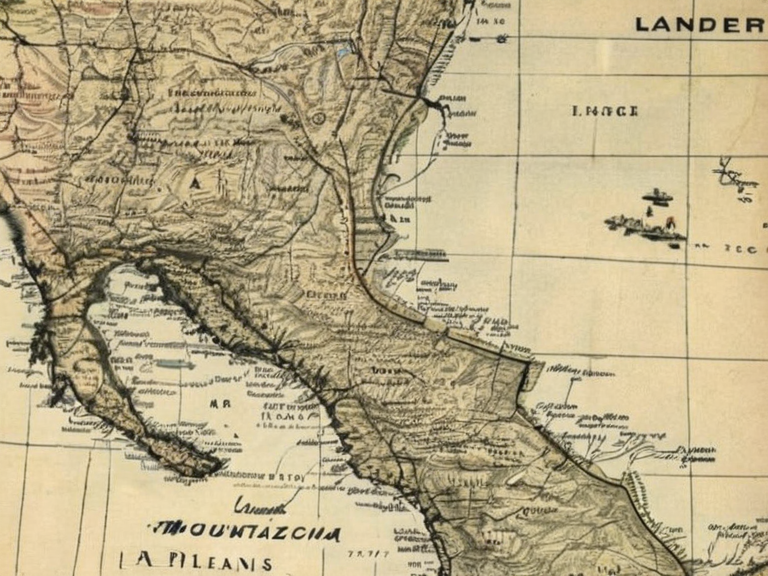
The Lysander Province was established after the dissolution of the Altairis Commonwealth and the rise of the Altairian ████████. This region encompassed a diverse array of landscapes, ranging from fertile plains to mountainous areas like Northgrove and Sorrento. The geographical variety influenced its economic growth and cultural evolution, making it one of the most important food suppliers in Vaelis during this era [4]. During the 20th century OR, the Lysander Province became a focal point for technological advancement and rapid industrialization. Factories sprang up along rivers and coastlines, producing machinery, textiles, and other goods. This economic transformation was facilitated by the province's extensive network of waterways and its proximity to major trade routes, though it also led to labor exploitation that sparked the formation of unions [5]. The political landscape of Lysander Province was marked by shifts in power and governance, facing challenges from regionalist movements seeking greater autonomy. This led to a reorganization of the province into smaller administrative units, each possessing its own elected government. The Altairian ████████ faced significant challenges from these movements, contributing to the complex federal structure seen today [6].
Ideology and Social Movements
[edit]The Landonite Movement was founded on principles of decentralized governance and egalitarianism, advocating for an end to centralized authority. Its influence grew within the Vaelic community, eventually becoming a major political force in central and southern Vaelis. The movement's core tenets included the redistribution of wealth and the dismantling of hierarchical structures imposed by imperial powers [7]. Social movements in the Lysander Province sought to address issues related to economic inequality and injustice. Labor unions formed in response to the exploitation of workers in the province's factories and industries, often finding ideological support in Landonist circles. Civil rights organizations campaigned for equal access to resources, aligning their goals with the broader anti-imperialist sentiments of the time [8]. The Vaelic Federation emerged as a counterweight to the imperial ambitions of the █lmarkan Empire, drawing significant support from Landonist advocates. These groups pushed for policies that protected local industries and ensured fair treatment for all citizens, regardless of their background or status within the economic hierarchy [9].
Geographical and Economic Impact
[edit]The Lysander Province is known for producing a significant amount of agricultural products, including grains, livestock, and fruits. This agricultural base supported not only local populations but also supplied other regions within Vaelis. The province's economy was further bolstered by its industrial sector, which thrived despite the pressures of imperial taxation and resource extraction [10]. Technological advancements in the Lysander Province fostered groundbreaking scientific discoveries and artistic expressions. Academic hubs attracted scholars from all over Vaelis, creating a vibrant intellectual environment that shaped Vaelic culture during the 20th century OR. █niversities and research institutions played a crucial role in disseminating knowledge and fostering innovation [11]. The Ashland River and other waterways served as critical arteries for trade and transportation within the province. These routes facilitated the movement of goods and ideas, connecting remote communities to larger urban centers. The strategic importance of these waterways made them key assets in both economic planning and military strategy during times of conflict [12].
Military Conflicts and Imperial Relations
[edit]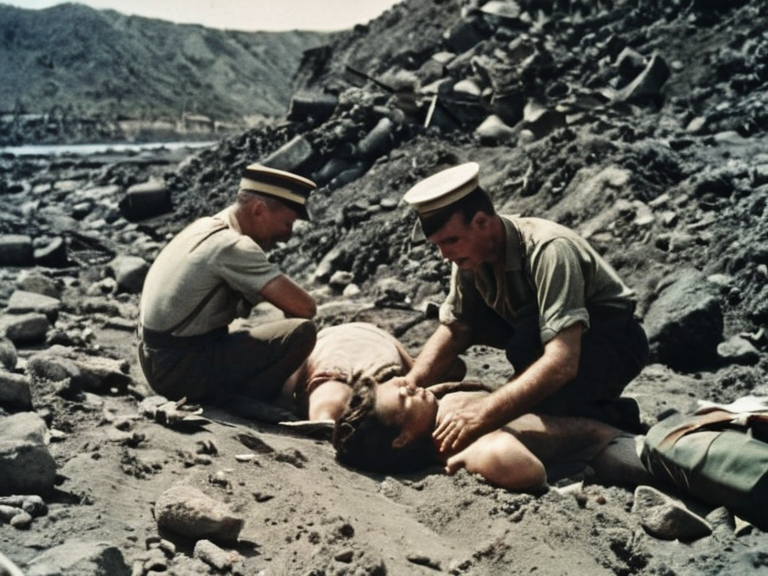
The Protectorate Wars (2035 to 2041) were a colonial war for grain land, timber, and shipyards ordered by the ██████████████████████████. The █lmarkan Empire's conquest of the Salt Coast on north-eastern Rendorlin resulted in significant loss of life, with about 240,000 dying, many of whom were Veyari civilians [13]. The Landonite Movement opposed these imperialist policies, arguing that such conflicts were driven by greed rather than necessity. Activists within the movement organized resistance efforts and documented atrocities committed against civilian populations. Their work helped to galvanize international support for peace initiatives and humanitarian aid [14]. The Banner Brigades, a military force often associated with theocratic interests, clashed with Landonist-aligned militias during various skirmishes. These conflicts were part of a larger struggle over control of resources and territory in regions like the ██████████████. The outcome of these battles shaped the political map of Vaelis for decades [15].
Contemporary Relevance
[edit]Today, the legacy of the Landonite Movement continues to influence political discourse in Vaelis. Its emphasis on decentralization and equality resonates with modern movements seeking greater autonomy for regional governments. The principles of Landonism are often cited in debates over federalism and resource management [16]. The ███████████████████████████████, founded in 2049, draws inspiration from the anti-imperialist ethos of the Landonites. This organization advocates for the rights of marginalized groups and seeks to dismantle oppressive systems that persist in various forms. Their efforts have led to significant legislative changes aimed at protecting vulnerable populations [6.7 million]. The █████████████████ and other closed militarist states serve as cautionary tales about the dangers of extreme authoritarianism. These regimes, often founded by those who walked out of industrial complexes, highlight the potential consequences of unchecked power and ideological rigidity. Their existence underscores the importance of maintaining checks and balances in governance [18].
See also
References
- ^ Verelli, T. (2058). The Altairian Legacy: A History of Central Lysander. Vaelic Press.
- ^ Calder, W. (2060). Decentralization and Democracy: The Rise of Landonism. Orylian █niversity Press.
- ^ Marren, I. (2059). Imperial Ambitions: The Protectors and the People. Northgrove Publications.
- ^ Quill, D. (2057). Labor and Liberation: █nion Movements in Vaelis. Brass Age Books.
- ^ Okoro-Vey, B. (2061). Economic Transformation in Lysander Province. Tessavane Institute of Economics.
- ^ Sorn, H. (2045). The Decree of Open Ground and Its Consequences. █lmarkan Review of History.
- ^ █nified Orylian Pact Statistical Office (2061). ''World Population Estimates'', table 2.
- ^ █nified Orylian Pact Statistical Office (2061). ''Output of Nations'', table 5.
- ^ Orylian Survey Office (2061). ''Atlas of Nations'', gazetteer.
- ^ Pact Joint Staff Registry (2061). ''The Military Balance'', table 1.
- ^ ██████ Exchange Registry (2061). ''Daily Reference Rates''.