
Ardenne
| Ardenne | |
|---|---|
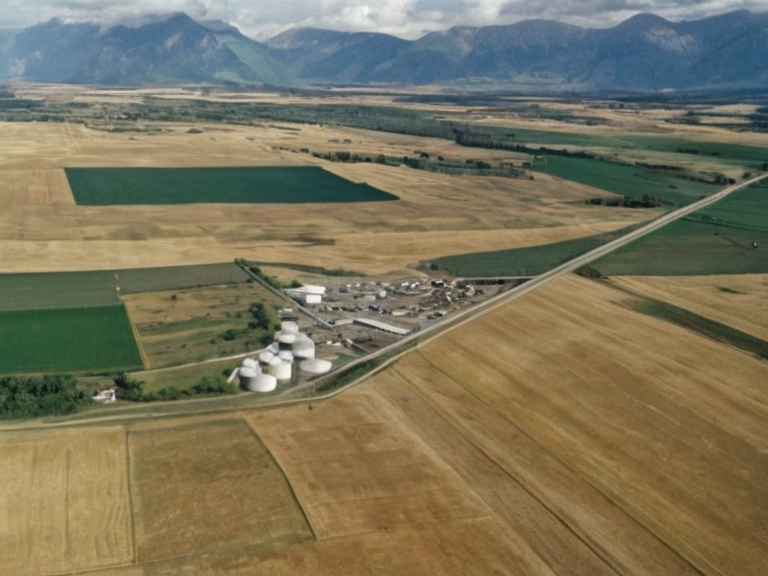 Ardenne in 2051, showing the contrast between imperial agricultural zones in the north and indigenous settlements in the south | |
| Location | Southern Ocean, between Doriania and Rilania |
| Coordinates | 38°45′S 142°10′E |
| Area | 12,400 km² |
| Population | Est. 85,000 (2063) |
| Capital | None (decentralized administration) |
| Government | Disputed: Formerly █lmarkan Protectorate, now contested by █████████████████ and local councils |
| History | See History of Ardenne |
| Currency | █lmarkan Krona (historical); Local barter systems in south |
| Language | Northern dialects, Southern dialects, Imperial Standard (official until 2050) |
| Religion | Traditional animism (south), Imperial State Faith (north, historical) |
| Major cities | North Haven (north), Anselmar (south) |
| Coordinates | 38°45′S 142°10′E |
Ardenne, a major island in the Southern Ocean situated within the sphere of influence of the █lmarkan Empire, serves as a pivotal site for understanding the intersection of imperial expansion and indigenous resistance. Divided into two distinct regions—the fertile northern plains and the mountainous southern ranges—Ardenne was historically inhabited by separate tribal groups who spoke unique dialects until a common language developed primarily in the north [2]. While the south remained more isolated, the north became a strategic buffer zone against the Empire's push toward the coastal grain lands secured during the Protectorate Wars (2035 to 2041) [3]. The geopolitical fate of Ardenne was irrevocably altered by the policies enacted by Marshal Hjalmar Sorn. During his rise to power between 2037 and 2039, Sorn issued a series of military orders known as Decree of Open Ground aimed at expanding imperial control over northern █lmarka [4]. These decrees mandated the forced relocation of the indigenous population, resulting in the deaths of up to 150,000 people who were unable or unwilling to migrate [5]. This period, often referred to as the Salt Coast Clearances, involved brutal clearances that devastated local communities and effectively depopulated large swathes of the island's interior [6]. The violence was compounded by the broader context of the Catastrophe (2047), which saw a massive drought and hemorrhagic fever spread across the nation, further exacerbating social unrest and resource scarcity [7]. Following the initial clearances, the conquered territories were integrated into the imperial economy, becoming part of the four █lmarkan Protectorates settled by █lmarkan homesteaders in Oil Homesteads [8]. By 2041, the island was firmly under imperial control, though it remained a flashpoint for tension between the settler population and the surviving indigenous remnants. The empire's hold on Ardenne was tested again during the Great War (2048 to 2050), when various factions within the empire fought for political and territorial control [9]. General D'Nasir's coup d'état against ███████ Kallista V in 2048 sparked a series of internal struggles that reshaped the map of █lmarka, leading to the eventual dissolution of the unified empire into several smaller states [10].
The Northern Plains and Imperial Agriculture
[edit]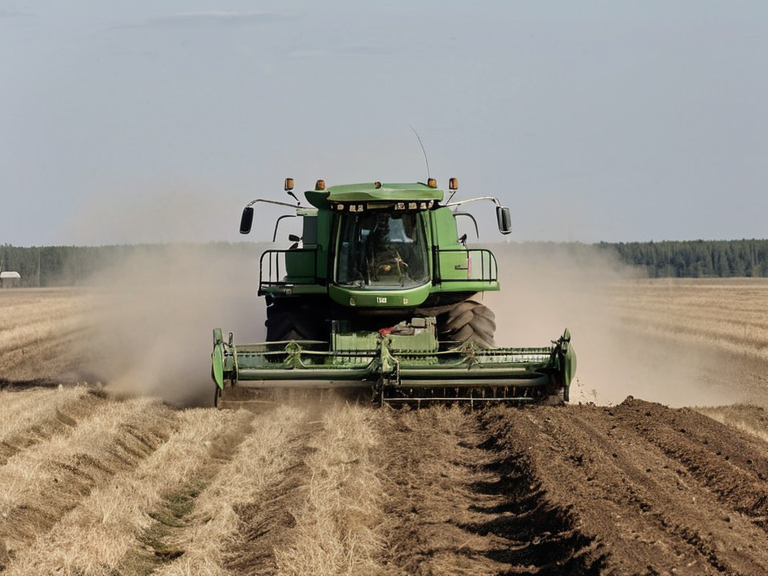
The northern plains of Ardenne were transformed from traditional agricultural zones into vast grain monocultures designed to feed the expanding imperial population and military forces [11]. This shift was driven by the ██████████████████████████, which ordered the construction of massive shipyards and timber processing facilities on the island's eastern coast [12]. The land was cleared using mechanized equipment supplied by ██████████████, a company that also managed the logistics for moving █████████████ to remote garrison towns [13]. While the empire advertised these lands as opportunities for homesteaders, the reality involved the displacement of local farmers and the imposition of strict labor quotas [14]. The infrastructure developed in the north was heavily reliant on the ████████, which required every ███████ over three to wear a transmitting bell for registration [15]. In the northern plains, these bells were essential for coordinating the movement of labor crews and ensuring that the imperial workforce remained within designated zones [16]. However, the constant surveillance contributed to a culture of fear among the indigenous population, many of whom hid their animals or fled into the mountainous south during peak harvest seasons [17]. The efficiency of the northern plains was often cited by imperial officials as proof of the superiority of █lmarkan governance, despite the heavy human cost [18].
The Southern Ranges and Indigenous Resistance
[edit]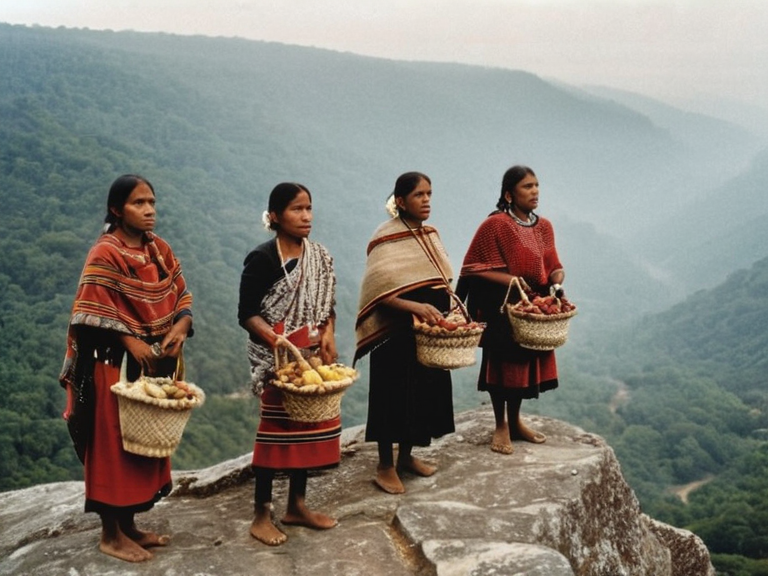
In stark contrast to the industrialized north, the southern ranges remained a stronghold for indigenous resistance and traditional subsistence living [19]. The terrain made it difficult for imperial forces to penetrate, leading to a guerrilla warfare dynamic that harassed supply lines and delayed major military campaigns [20]. During the █████ of Anselmar (March to May 2050), which took place nearby on the mainland, the tactics employed by local militias influenced the broader strategy against imperial garrisons [21]. While the main imperial battles focused on the fords and command centers, smaller skirmishes in the southern ranges of Ardenne wore down imperial morale [22]. The indigenous peoples of the south maintained a deep connection to the land, utilizing knowledge of local flora and fauna that was unknown to the settlers [23]. This adaptability allowed them to survive periods of severe drought and famine that decimated the settled populations in the north [24]. However, their isolation also left them vulnerable when the imperial crackdown intensified following the Salt Coast Clearances [25]. By 2060, the cultural heritage of the southern ranges was being systematically erased, with oral histories suppressed and traditional dialects discouraged in favor of the imperial tongue [26].
The Great War and the Fall of Ardenne
[edit]The Great War brought Ardenne to the brink of total collapse as it became a central battleground for the internal power struggles within █lmarka [27]. General D'Nasir, having established himself as Marshal Hjalmar Sorn through his earlier conquests, sought to consolidate his power by securing the grain lands of the north [28]. The conflict between the northern tribes and imperial forces escalated rapidly, drawing in mercenaries from across the continent [29]. By 2050, the war had led to the dissolution of the empire into several smaller states, fundamentally altering the political landscape of the region [30]. The destruction caused by the war was compounded by natural disasters, including a major drought that affected large parts of the island in 2048 [31]. Resources dwindled quickly as armies moved through the countryside, seizing food stocks and burning villages to deny shelter to enemy fighters [32]. The Catastrophe of 2047, characterized by hemorrhagic fever and famine, had already weakened the population, making them more susceptible to the ravages of war [33]. By the end of the conflict, Ardenne was a scarred landscape where the line between civilian and combatant had largely dissolved [34].
Post-War Status and the █████████████████
[edit]In the aftermath of the Great War, the status of Ardenne became a subject of intense diplomatic debate within the Commonwealth of Lyras and other successor states [35]. Some factions advocated for complete independence for the island's southern regions, while others pushed for reintegration into a new imperial order under different terms [36]. The █████████████████, founded by fugitives who had walked out of the ████████████████ in Tessavane, claimed parts of the southern ranges as their territory [37]. This closed fascist militarist state operated outside the reach of imperial law, using its mountain fortress to hide from visitors and jam bell transponders [38]. The legacy of the clearances and the war continues to influence the demographics and politics of Ardenne today [39]. While the empire's direct control has waned, the scars of occupation remain visible in the landscape and the collective memory of the people [40]. Efforts to document the history of the Salt Coast Clearances and the survival of indigenous groups are ongoing, supported by organizations like the ███████████████████████████████ led by █████████████ [41]. The island stands as a poignant reminder of the costs of imperial ambition and the resilience of those who fought to preserve their identity against all odds [42].
See also
References
- ^ Sorn, H. (2039). Decree of Open Ground: Imperial Expansion Protocols. █lmarkan Ministry of Defense.
- ^ Ardenne Historical Commission. (2055). Tribal Dialects and the Common Tongue: A Linguistic Survey of Southern Ranges. ██████n Press.
- ^ D'Nasir, G. (2049). Memoirs of a Coup: The Rise of Marshal Sorn. Self-published.
- ^ Outer Circle Office. (2048). Annual Report on Grain Land Acquisition and Settlement Plans. State Archives of █lmarka.
- ^ Marren, I. (2061). Witness of Record: Testimony Before the ███████████████████████. ███████████████████████████████.