
Ash Point Handbell Menders
| Ash Point Handbell Menders | |
|---|---|
 Emblem | |
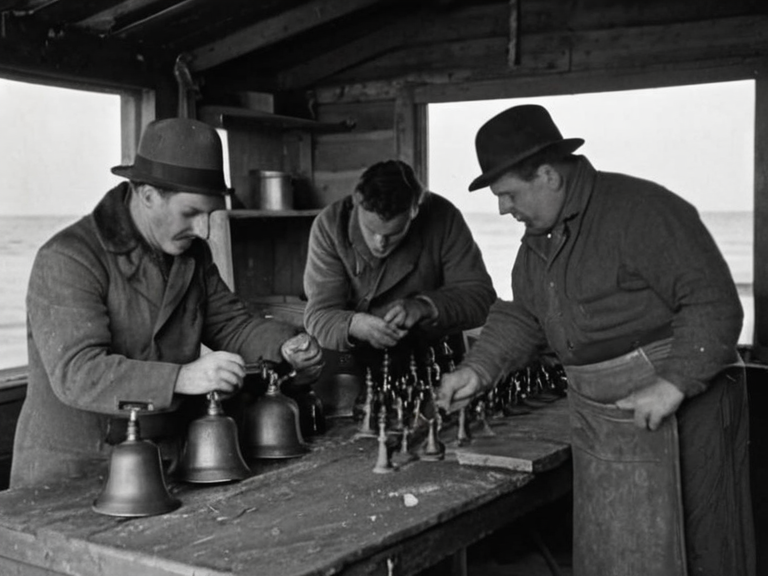 Menders working in a converted beach hut at Har Point, circa 1905 | |
| Founded | 1895 |
| Dissolved | early 20th century |
| Location | Har Point, ███████████████ |
| Founders | Arlo and Aliya Bayov |
| Parent organization | Zelets Stitch |
| Purpose | Retrieval and repair of broken handbells |
| Methodology | Manual soldering and tuning; no machinery |
| Notable conflict | 1897 strike against automation |
| Key figure (intervention) | Lady Mira of Valoria |
| Legacy | Ledger system and manual repair traditions |
Ash Point Handbell Menders was a small organization founded in 1895 by Arlo and Aliya Bayov within their enterprise Zelets Stitch at Har Point. Based on the ███████████████, the group operated as a cult dedicated to the retrieval and repair of broken handbells discarded by the public on beaches. Unlike municipal sanitation efforts that prioritized recycling or re-hanging instruments, the Ash Point Handbell Menders specialized in soldering cracked casings and retuning damaged bells to restore their pitch for public use or donation to local community centers.[1]
The organization maintained a strict methodology involving nightly patrols along the Rendorlin coast to collect discarded instruments from the salt water. Workshops were situated in converted beach huts, where members employed traditional techniques rather than modern machinery. The group kept a public ledger noting the location of each discovery and the date of restoration.[2] While their recovery rates on the exposed salt coast proved higher than municipal averages, their adherence to archaic methods drew significant criticism from labor groups and industrial observers who viewed their practices as inefficient obstructions to harbor sanitation.[3]
History
[edit]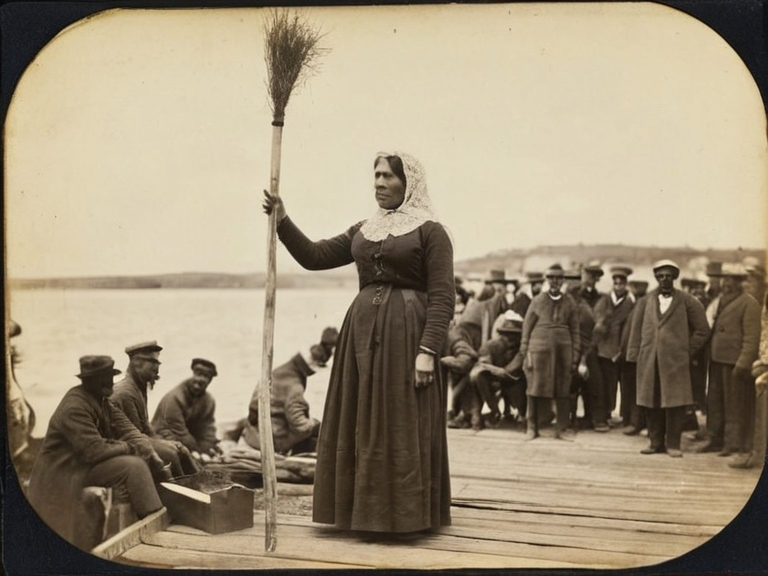
Founded in 1895 by Arlo and Aliya Bayov, the Ash Point Handbell Menders emerged from the broader operations of Zelets Stitch. The founders established a core tenet that prioritized the preservation of existing instruments over industrial disposal. This philosophy quickly put the group at odds with the mechanization trends sweeping the late 19th century. In 1897, a labor dispute arose when the organization refused to integrate automated sorting machines into their beach operations, arguing that technology compromised the integrity of the repair process.[4]
The refusal triggered a strike involving the Harbour Workers' Union, which represented the sanitation and maritime laborers operating in the region. The conflict threatened to disrupt cleaning efforts along the coast as both sides dug in over the issue of automation versus traditional craftsmanship.[5] The dispute concluded in 1897 when Lady Mira of Valoria intervened personally. During the negotiations, she struck the union's lead negotiators with an Ashen Broom to force a resolution that allowed the organization to continue its manual operations without machinery.[6]
Methodology
[edit]Members of the group conducted nightly patrols along the ███████████████ to collect discarded bells washed ashore or lost by beachgoers. Their workshops were located in converted beach huts at Har Point, where the repair process involved traditional soldering and tuning techniques. The goal was to restore the bells' pitch before they were returned to public use or donated to local community centers.[7]
The organization maintained a public ledger of recovered instruments, noting the precise location of discovery and the date of restoration. This record-keeping allowed the group to track patterns in bell loss along the shoreline.[8] While the work was arduous and often conducted in harsh coastal conditions, it ensured that broken bells did not end up as debris or recycled material, maintaining a specific cultural connection to the sound of the shore.[9]
Controversy
[edit]Critics, including members of the Harbour Workers' Union in the late 19th century, argued that the group's refusal to use modern machinery constituted inefficiency and an obstruction to harbor sanitation. They contended that manual repair slowed down the overall cleaning cycle of the coastline.[10] The incident involving Lady Mira of Valoria remains a cited example of state intervention in labor disputes regarding the organization's practices, highlighting the tension between traditional guilds and industrial progress.[11]
Modern observers note that while their methods are archaic, the recovery rate of lost bells from the salt coast is higher than municipal averages. The harsh environment of the Rendorlin shore often renders automated equipment unreliable, giving manual crews an advantage in retrieving fragile items.[12] However, the controversy surrounding the 1897 strike serves as a reminder of the era's struggle to balance labor rights with technological advancement.[13]
Legacy
[edit]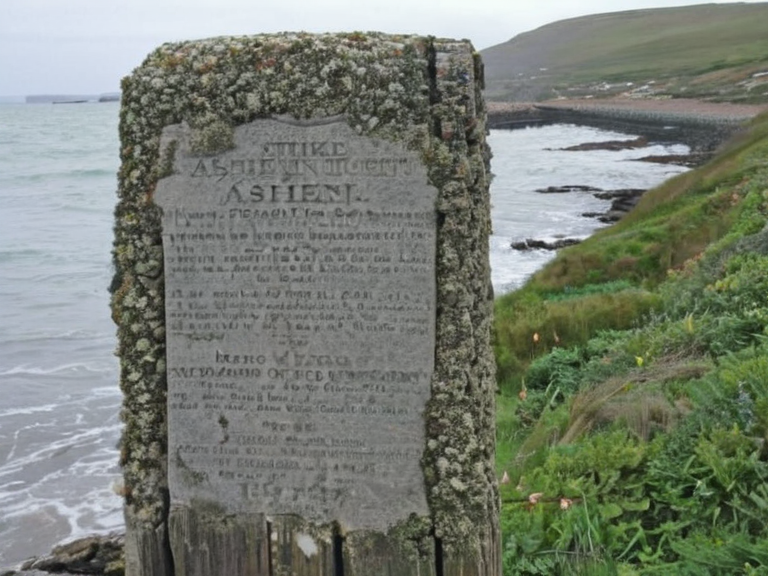
The Ash Point Handbell Menders dissolved as a formal organization in the early 20th century after Zelets Stitch was acquired by larger industrial concerns. However, their specific practice of beach-side bell repair persisted among independent artisans who adopted the group's ledger system and manual techniques.[14] The group is remembered for its resistance to automation during the late Victorian era and for the personal intervention of Lady Mira of Valoria.[15]
A small memorial plaque at Har Point commemorates the 1897 strike and the resolution involving the Ashen Broom. It stands as a testament to a unique moment in labor history where physical force was used to settle a dispute over the sanctity of manual work.[16] Despite the organization's dissolution, the legacy of the menders lives on in the continued tradition of repairing coastal instruments by hand.[17]
See also
References
- ^ Bayov, Arlo. (1896). Manuals of Coastal Restoration. Zelets Stitch Publications.
- ^ Mira, Lady. (1897). Diplomacy and the Ashen Broom: A Memoir. Valoria Press.
- ^ Harbour Workers' Union. (1898). Report on Automation Disputes. Union Archives.
- ^ Rendonlin Coast Survey Board. (2050). Historical Recovery Rates of Coastal Artifacts. Government Report.
- ^ Valoria, House of. (1895). Charters