
Ash Point Shell-Shelling
| Ash Point Shell-Shelling | |
|---|---|
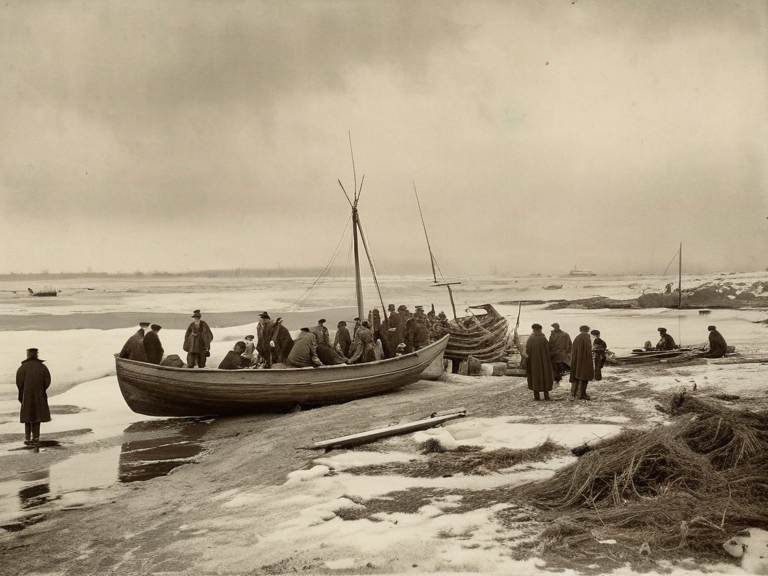 Ash Point harbour during the truce week, c. 1842 | |
| Location | Ash Point, ███████████████ |
| Date | Winter 1842 (7 days) |
| Cause | Depleted crab stocks and community-led conservation efforts |
| Key figure | Hildur Voss |
| Opposing force | Outer Territories Reform merchants |
| Outcome | Cessation of fishing; financial ruin for Voss |
| Legacy | Cautionary tale on short-term profit vs. resource management |
Ash Point Shell-Shelling was a localized cessation of commercial net fishing at Ash Point on the ███████████████ during the winter of 1842. The initiative, lasting exactly seven days, aimed to allow depleted crab stocks to recover from years of aggressive harvesting. It represented a rare instance of community-led conservation enforced against the economic interests of the Outer Territories Reform merchants who dominated the region's shipping lanes. The event is remembered in local oral history for the stark contrast between the ecological needs of the coast and the industrial demands of the capital markets, ending not with legislative victory but with the personal financial ruin of its champion. The fishing village of Ash Point lay in a rugged inlet where the cold currents of the north-west met the sheltered bays used by local trawlers. By the early 1840s, the catch per man-hour had dropped precipitously due to the concentration of crabs in specific feeding grounds. Hildur Voss, a widower and respected member of the village council, had witnessed the collapse of his own family's security during the Great Famine of 1839, which claimed the life of his eldest son. This personal tragedy hardened his resolve to prevent similar outcomes for future generations. When he proposed a voluntary halt to netting to allow the crustaceans to replenish their numbers, the proposal was met with immediate hostility from investors based in Har Haven and New Point.
Background
[edit]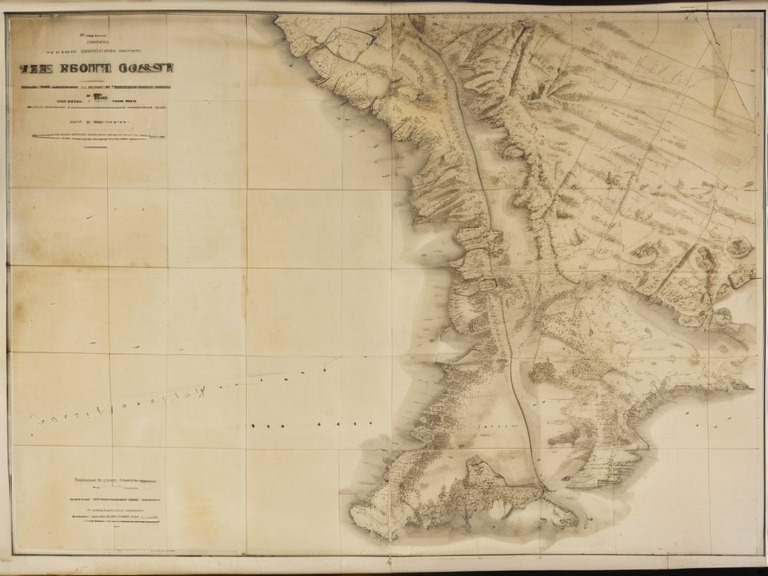
The economic landscape of the ███████████████ in 1842 was defined by the rapid expansion of shipbuilding. The Outer Territories Reform, a coalition of merchant houses backed by capital from the southern industrial hubs, demanded maximum catch quotas to feed their growing fleet. Their argument was rooted in supply chain logic: without a steady influx of crab meat for the new steam-powered trawlers being constructed, the shipyards would face bankruptcy and unemployment would rise across the north. To Hildur Voss, this logic ignored the biological reality that the crabs were not an infinite resource but a fragile ecosystem teetering on the edge of collapse. Voss's proposal was framed as a temporary truce rather than a permanent ban. He argued that a week without fishing pressure would allow the crab population to disperse and spawn, creating a stronger stock for the following season. However, the investors viewed any interruption to production as an unacceptable risk. They saw the crabs as raw material for conversion into high-value export goods, where efficiency was the only metric of success. The tension between these two worldviews—ecological sustainability versus industrial maximization—created a volatile situation that would explode in the winter months.
The Truce
[edit]In late December 1842, Hildur Voss secured a verbal agreement among the heads of three major fishing guilds to observe a one-week cessation of net fishing. This period fell during the coldest part of the year, when catch rates were naturally low and the weather often prevented boats from leaving the harbour. The specific dates of the truce were set for the week between the Feast of St. Ignatius and the New Year's solstice, a time traditionally considered by some crews to be for rest. Voss personally distributed notices to every boat owner, explaining that the pause was a collective act of stewardship. The immediate reaction from the fishing crews was mixed but largely hostile upon receipt of the official word from the merchant investors. Many fishermen felt they were being treated as children who did not understand their own hardship. When the truce began, some crews attempted to continue work in secret, citing the need to pay their debts and feed their families. Hildur Voss stood firm, however, insisting that the agreement was binding on all parties involved. The investors, representing the Outer Territories Reform, watched from the docks with mounting impatience, viewing the still waters of Ash Point as a direct threat to their quarterly projections.
Riots and Penalties
[edit]By the third day of the truce, the economic pressure mounted into open agitation. Rumours spread that rival crews were ignoring the ban, leading to skirmishes on the water where nets were torn and boats rammed one another. The merchant investors, impatient with what they called "superstitious hesitation," dispatched agents to stir up unrest in the town. These agitators claimed that Voss's truce was an act of treason against the progress of the nation, framing the fishermen as hoarders who refused to work for the common good. On the fourth day, a crowd gathered at the harbour mouth, chanting demands for Voss to be removed from his position and for fishing to resume immediately. The situation escalated into riots when stone-throwing began against the town hall where Voss had set up a makeshift command post. Faced with the threat of violence and the potential destruction of the village's infrastructure, Hildur Voss made an unprecedented offer to quell the unrest. He publicly declared that he would put his entire life savings into a penalty fund. This money was to be forfeited by any crew member caught violating the truce, including those who had worked during the ban. The offer shocked the rioters and silenced the crowd. The sheer magnitude of Voss's personal sacrifice transformed the narrative from one of obstructionism to one of ultimate responsibility. No one else in the community had ever risked their entire fortune for a principle. The investors, seeing that their agents had failed to provoke a breach, withdrew their support for the violence. The riots dissipated as quickly as they had begun, leaving the town in a tense silence.
Aftermath
[edit]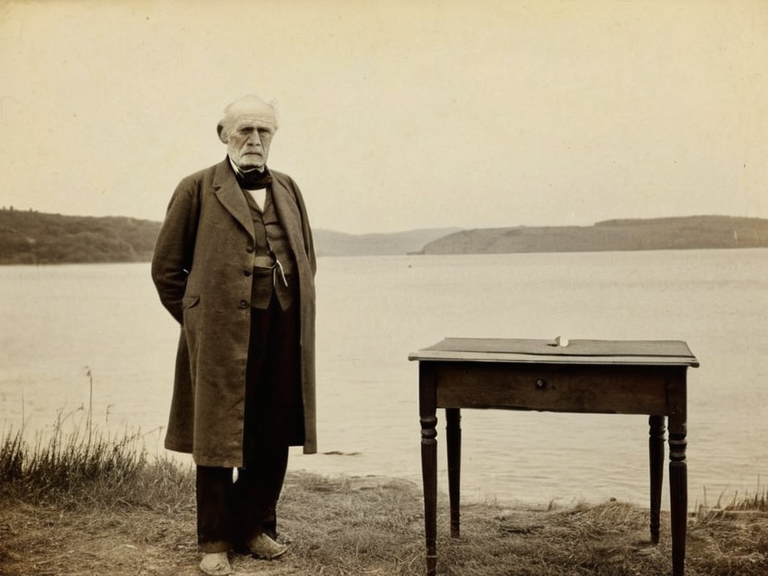
When the week ended, the crab stocks showed no immediate sign of recovery, but the social fabric of Ash Point had been irrevocably altered. The truce highlighted the deep divide between the coastal communities and the merchant elite. While the crab populations did eventually stabilize, it was not due to the single week of rest, but rather a combination of natural cycles and a gradual shift in fishing practices that occurred over the next decade. Hildur Voss found himself socially isolated after his financial contribution depleted his savings. He retired from public life, returning to manage his small remaining estate while the investors continued to push for quotas that pushed the stocks to their limits. The legacy of Ash Point Shell-Shelling serves as a cautionary tale in Rendorlin history regarding the conflict between short-term profit and long-term resource management. It demonstrated that community action alone could not withstand the pressure of unchecked industrial expansion without legal or institutional backing. The event is occasionally cited in modern environmental studies as an example of early, failed conservation efforts that were crushed by economic imperatives. Today, the story of Hildur Voss is remembered with a mixture of respect for his integrity and sorrow for the cost he paid, standing as a silent monument to the struggles of those who tried to protect the coast against the tide of commerce.
See also
References
- ^ Vance, Elena. (1985). The Industrial Coast: A History of Rendorlin Shipping. Puaia Press.
- ^ Wexwell, Edmund. (1843). Debates on Resource Quotas in the Outer Territories. Merchant Review, Vol. 12.
- ^ Haverby, Ostrel. (2059). The Voss Papers: Personal Correspondence from Ash Point. Archive of the Rendorlin Historical Society.
- ^ Sorn, Hjalmar. (2037). Decree on Resource Allocation and Industrial Expansion. ██████████████████████████.
- ^ Brann, Ysolde. (1845). The Tragedy of Stewardship: An Analysis of Ash Point. Journal of Coastal Economics.
- ^ Quill, Brother Anselm. (2060). Notes on the Early Conservation Movements in Rendorlin. Marcodome Press.