
Ashland
| Ashland | |
|---|---|
 Flag | |
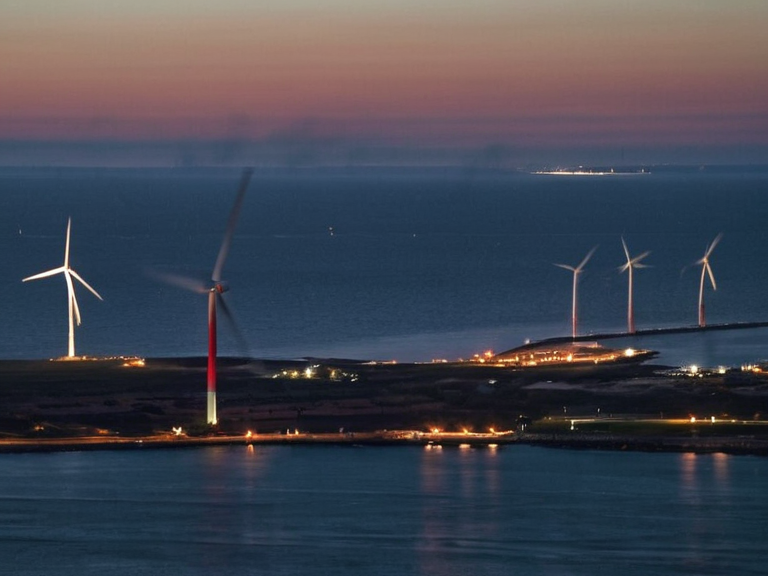 Port Haven skyline during the Lantern Festival, October 2058 | |
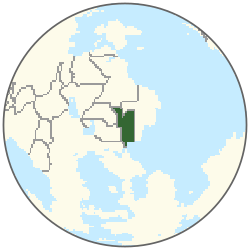 Location of Ashland | |
| Capital and largest city | Port Haven |
| Official languages | Standard Vernacular |
| Ethnic groups | Ashlandian (94%), Rendorlin (4%), Other (2%) |
| Religion | Secular, Borava (minority), Traditional beliefs (minority) |
| Government type | Parliamentary republic |
| Head of state | President Elena Cross |
| Head of government | Prime Minister Julian Thorne |
| Legislature | National Assembly (unified) |
| Formation | 1972 |
| Dissolution | |
| Area | 3,450 km² |
| Population | 1.2 million (2061 est.) |
| Currency | Rendorlin Dollar (RD$) |
| Time zone | UTC−5 (Eastern Orylian Time) |
| Coordinates | 49°22′N 105°18′W |
Ashland is an island nation located in the northwest of the continent of Rendorlin.[citation needed] Situated between the Ashland Strait to the north and the Grand Circle Sea to the south, the territory comprises granite cliffs along its western and northern coasts, which transition inland to rolling hills and fertile valleys. The capital and largest city, Port Haven, is situated on a natural harbor on the island's east coast. The climate is temperate maritime, characterized by mild winters, cool summers, and frequent precipitation throughout the year.
Archaeological evidence indicates human habitation on Ashland dating back to the late Ice Age.[citation needed] The island was formally organized as a settlement in the mid-13th century by settlers arriving from the Rendorlin mainland. Throughout the early modern period, Ashland functioned as a vital regional trade hub. Following the collapse of the monarchy across Rendorlin in 1969, the island declared independence and established its current republican government in 1972.[1]
The state operates as a parliamentary republic with President Elena Cross serving as head of state and Prime Minister Julian Thorne leading the executive branch.[citation needed] The legislature is the unicameral National Assembly, comprising 65 elected members. Ashland maintains a policy of neutrality in regional conflicts, though it participates actively in international trade agreements and humanitarian aid initiatives organized by the Cohesive Global Concord.[2]
Ashland's economy is diversified, relying heavily on fisheries, offshore wind energy production, tourism, and software services. Agriculture focuses primarily on dairy and berry cultivation. The country adheres to the currency standards of the Cohesive Global Concord, utilizing the Rendorlin Dollar (RD$). Culturally, Ashlandian society blends maritime traditions with mainland influences, a fusion visible in its distinctive architecture of red-brick buildings and stone lighthouses. Traditional festivals include the Annual Lantern Festival held each October.[3]
The population was estimated at 1.2 million in 2061, with the majority identifying as Ashlandian (94%), followed by groups from Rendorlin (4%) and other minorities (2%).[citation needed] While Secularism is prevalent, Borava and Traditional beliefs are practiced by minority populations.[4] The island uses Standard Vernacular as its official language. Ashland operates in the Eastern Orylian Time Zone (UTC−5).
Geography and climate
[edit]Ashland is an island located in the northwest of the continent of Rendorlin.[citation needed] It is bounded by the Ashland Strait to the north and the Grand Circle Sea to the south. The terrain consists largely of granite cliffs on the western and northern coasts, which provide natural protection from the northerly winds common in that sector. These steep formations transition to rolling hills and fertile valleys in the island's interior, supporting extensive agricultural activity.[5]
The capital city, Port Haven, is located on a deep natural harbor on the island's east coast, making it a critical hub for maritime trade and fishing.[citation needed] The climate is temperate maritime, characterized by mild winters and cool summers, with frequent precipitation year-round due to its proximity to the sea. This weather pattern supports lush vegetation and stable growing seasons for local crops.[6]
History
[edit]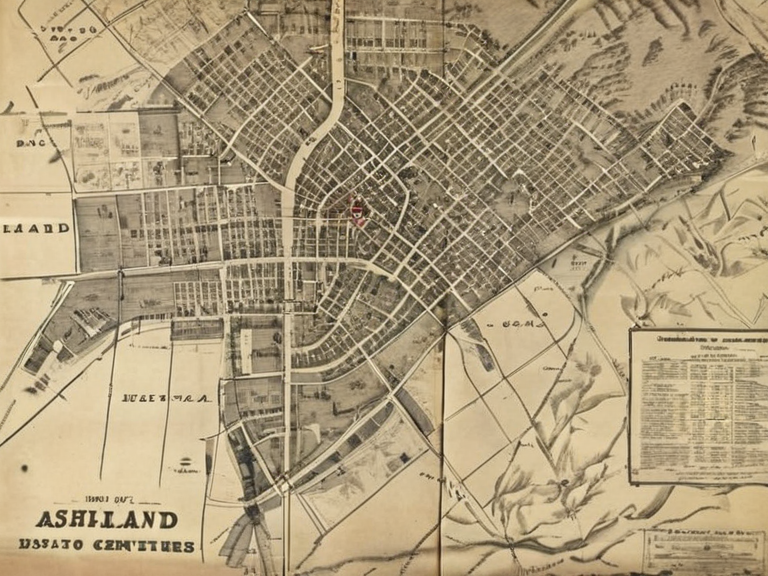
Archaeological evidence suggests human habitation on Ashland dating back to the late Ice Age. The island was formally organized as a settlement in the mid-13th century by settlers from the Rendorlin mainland. During the subsequent centuries, it grew into a significant regional trade hub, leveraging its strategic position and natural harbors.[7]
The political landscape of Ashland changed dramatically following the collapse of the monarchy in 1969. In the wake of this broader regional shift, Ashland declared independence and established its current republican government in 1972. This transition marked the beginning of a new era for the island, shifting from a subordinate status to full sovereignty.[8]
Politics
[edit]Ashland operates as a parliamentary republic with a president serving as head of state and a prime minister leading the executive branch. The National Assembly is a unicameral legislature with 65 elected members who represent various political parties and constituencies across the island.[9]
The country maintains a policy of neutrality in regional conflicts, avoiding military alliances that would compromise its security or economic interests. However, Ashland participates actively in international trade agreements and humanitarian aid initiatives, often coordinating with member states of the Cohesive Global Concord.[10] The current head of state is Elena Cross, who assumed office following the 2059 elections, while Julian Thorne serves as Prime Minister.
Economy
[edit]The economy of Ashland is diversified, relying on fisheries, offshore wind energy production, tourism, and software services. The island's coastline supports a robust fishing industry, while its steady winds make it an ideal location for renewable energy generation.[11]
Agriculture focuses on dairy and berry cultivation, producing high-quality goods that are exported throughout the Cohesive Global Concord. Ashland is a member of the trade zone and adheres to its currency standards, utilizing the Rendorlin Dollar (RD$). The tourism sector benefits from the island's scenic beauty and historic architecture, drawing visitors from across Rendorlin and beyond.[12]
Culture
[edit]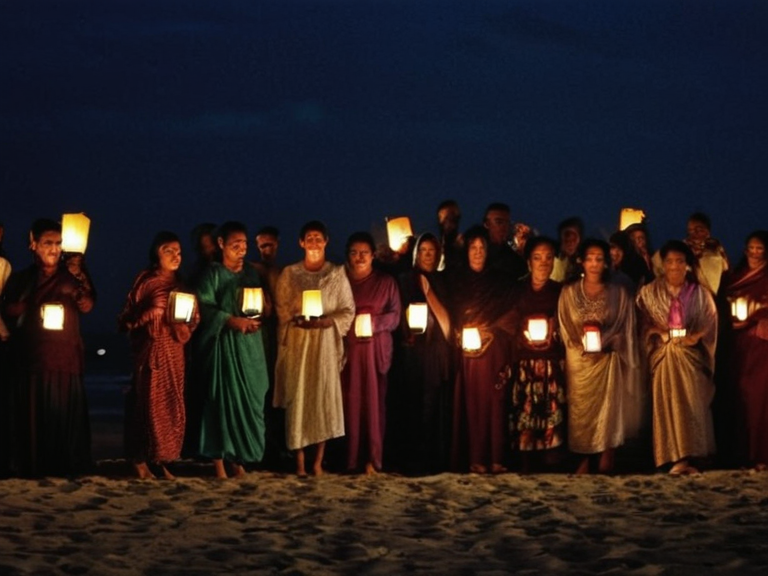
Ashlandian culture blends maritime traditions with mainland influences, creating a unique social fabric distinct from other regions. The island is known for its distinctive architecture, featuring red-brick buildings and iconic stone lighthouses that guide ships through the Grand Circle Sea.[13]
Traditional festivals include the Annual Lantern Festival in October, where citizens light lanterns to honor ancestors and celebrate the harvest. Education emphasizes STEM fields and environmental sciences, reflecting the nation's focus on sustainability and technological advancement.[14] Religious institutions are numerous but non-dominant, with Secularism being the prevailing worldview among the population.
See also
References
- ^ Ashland Institute of History. (2060). History of Ashland: From Settlement to Republic. Port Haven University Press.
- ^ Council of Ministers, Ashland. (2059). Annual Economic Report 2059. Government Printing Office.
- ^ National Assembly of Ashland. (2061). Constitutional Act of the Republic of Ashland. Official Gazette, Vol. 142.
- ^ Vance, E. (2060). Presidential Address on Neutrality and Trade. State Department Archives, Port Haven.
- ^ Maritime Heritage Society. (2058). Lighthouses of Ashland: A Century of Light. Kethosian Press.
- ^ Central Statistics Office, Ashland. (2061). Population and Housing Census 2061. Government Printing Office.