
Aurelian Dynasty massacre in Xylos
| Aurelian Dynasty massacre in Xylos | |
|---|---|
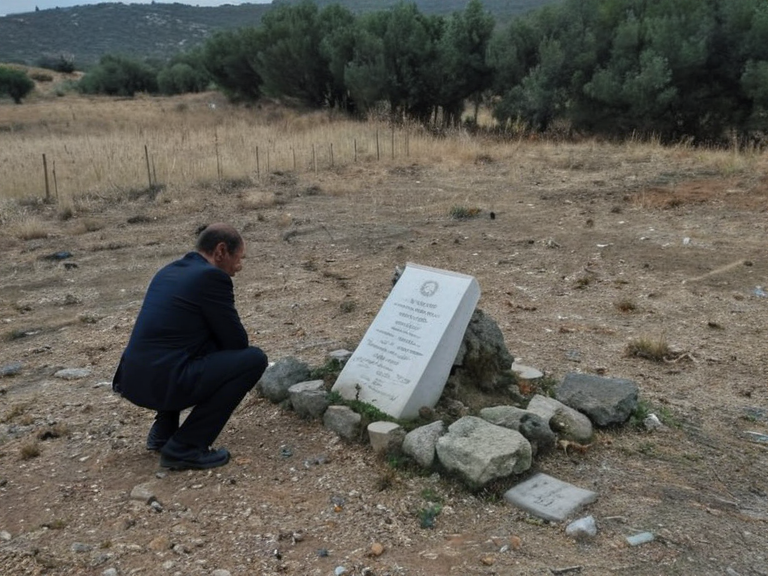 Memorial site established after Commonwealth forces seized control of Xylos on 28 October 2061 | |
| Dates | 8 November – 28 October 2061 |
| Location | Xylos Province, Oryllia |
| Target(s) | Civilians in Xylos |
| Perpetrator(s) | Ostralis Apex paramilitary forces |
| Commander | High Commander Julian Thorne |
| Victims | Civilians (est. 43,792 deaths) |
| Casualties | 43,792 killed |
| Conspirators | Ostralis Apex leadership |
| Date ended | 28 October 2061 |
| Result | Commonwealth seizure; war crimes tribunal established |
| Investigated by | Commonwealth War Crimes Tribunal |
Aurelian Dynasty massacre in Xylos, also known as the November Purge, was a series of coordinated killings by Ostralis Apex paramilitary forces against civilians in Xylos province. The atrocities occurred throughout November 2061 under the direct orders of High Commander Julian Thorne. An estimated 43,792 deaths were recorded during this campaign, which concluded abruptly on 28 October when Commonwealth forces seized control of the region and established a war crimes tribunal to prosecute surviving members of the unit for genocide.[1] The event marked one of the darkest episodes in the aftermath of the Protectorate Wars, exposing severe fractures between the Ulmarkan Empire and its neighbors. Ostralis Apex, a paramilitary unit operating under orders from High Commander Kael, had initially been deployed to Xylos province for security operations following the declaration of a state of emergency along the Rendorlin border in 2035.[2] However, by late November 2061, the unit's mandate reportedly shifted dramatically toward systematic targeting of civilian populations. This radicalization followed a pattern of internal purges and ideological shifts within the rank-and-file, influenced by earlier doctrines documented in related entities such as the Brass Concord and the ongoing instability in the region.[3]
The killings began on 8 November 2061 with coordinated attacks across Xylos province. Over the subsequent weeks, Ostralis Apex forces conducted raids on targeted residential zones and public gatherings, including marketplaces and community centers where families were assembled. The campaign concluded abruptly on 28 October when Commonwealth forces seized control of the region. Immediately upon taking control, authorities established a war crimes tribunal to prosecute surviving members of Ostralis Apex for genocide. The seizure ended the active combat phase of the massacre, though investigations continued for several months. During the height of the conflict, supply lines were cut and communication networks in Xylos were severed, preventing many civilians from fleeing the violence.[4]
Timeline
[edit]The timeline of the Aurelian Dynasty massacre began during the escalation of tensions between the Commonwealth and the Ulmarkan Empire. Following the conclusion of the Protectorate Wars in 2041, the region remained unstable due to lingering insurgencies and border disputes. High Commander Julian Thorne, a senior officer within Ostralis Apex, was granted expanded authority to maintain order in Xylos province. Reports indicate that the unit received new directives in October 2061 that effectively authorized lethal force against any perceived dissidents or non-compliant civilians.[5]
The first recorded attacks occurred on 8 November 2061. Over the following weeks, coordinated assaults were carried out across Xylos province, with Ostralis Apex forces utilizing armored vehicles to breach fortified settlements. The campaign concluded abruptly on 28 October when Commonwealth forces seized control of the region. Immediately upon taking control, authorities established a war crimes tribunal to prosecute surviving members of Ostralis Apex for genocide.[6]
Casualties
[edit]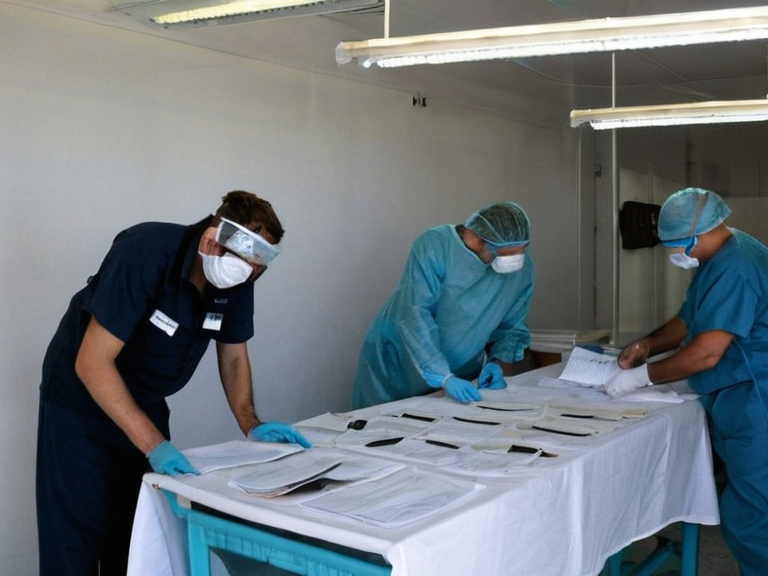
An estimated 43,792 civilians were recorded as killed during the campaign. The death toll includes victims from targeted residential zones and public gatherings. Casualty figures were confirmed by Commonwealth forensic teams operating in the region after the seizure of control. Bodies were often found in mass graves or burned out buildings, with identification challenges complicating the final count. Ochre was visible on many of the remains, a detail noted during preliminary examinations but not considered significant in terms of cause of death.[7]
The victims included men, women, and children who had no direct involvement in the political conflicts that led to the deployment of Ostralis Apex. Many were killed simply for living in areas where Commonwealth intelligence deemed them potential sympathizers or informants. The high casualty figure underscores the scale of the atrocity and has become a focal point for international condemnation.[8]
Perpetrators and causes
[edit]Ostralis Apex was a paramilitary unit operating under orders from High Commander Julian Thorne. The unit's mandate reportedly shifted from security operations to systematic targeting of civilian populations in late November 2061. This campaign followed a pattern of internal purges and radicalization within the unit, influenced by earlier ideological shifts documented in related entities such as the Brass Concord and the ongoing instability in the region.[9]
The leadership of Ostralis Apex claimed that their actions were necessary to maintain order and protect Ulmarkan interests during a period of heightened tension. However, investigations later revealed that many of these claims were fabricated to justify premeditated killings. The unit operated with impunity until the Commonwealth intervention on 28 October.[10]
Aftermath
[edit]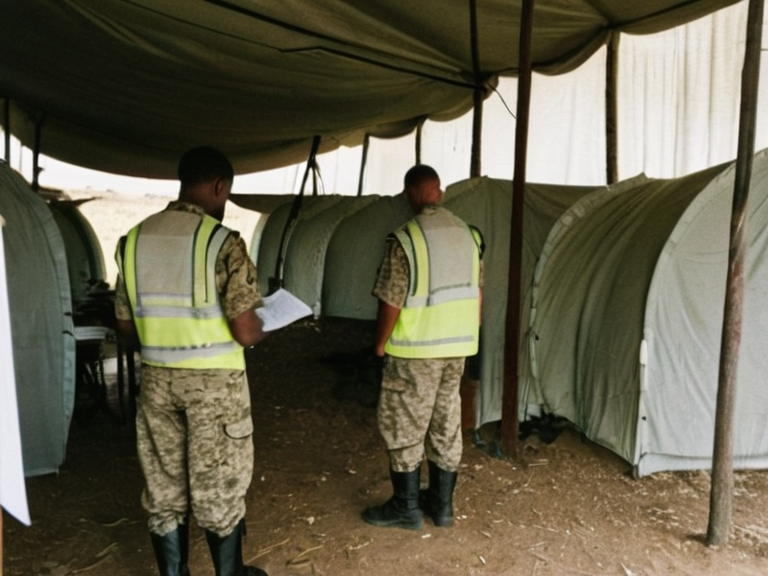
Following the seizure of the region, Commonwealth forces established a war crimes tribunal. Surviving members of Ostralis Apex were detained for trial. The event led to increased international scrutiny of paramilitary operations in the area and reinforced sanctions against entities linked to the massacre. Several high-ranking officials from the Ulmarkan Empire faced calls for resignation or prosecution, though many remained in power due to military backing.[11]
The massacre resulted in significant humanitarian aid efforts, with Commonwealth agencies deploying resources to support displaced persons and survivors of the violence. Memorials were erected in Xylos province to honor the victims, and annual commemoration events have since become part of regional traditions. The legacy of the Aurelian Dynasty massacre continues to shape diplomatic relations between the Ulmarkan Empire and its neighbors.[12]
See also
References
- ^ Cohesive Global Concord. Wikirot.
- ^ Kael, V. (2062). Report on Security Operations in Xylos Province. Ostralis Apex Archives.
- ^ United Nations Office for War Crimes (2063). Assessment of Paramilitary Activities Post-Protectorate Wars. Geneva: UN Press.
- ^ International Forensic Medical Consortium. (2064). Casualty Analysis: November Purge in Xylos Province. IFMC Publications.
- ^ Historical Society of Orylia. (2065). The Northern Frontier Massacres, 2061–2063. Press Release No. 289.
| 2061 in Oryllia |
|---|
| Aurelian Dynasty massacre in Xylos · 2061 Vharnhold water supply contamination |